Skip to content

Adrian
@adrianjace
Basically,,,,, letterboxd corrupted me into rating out of 5 and now all my ratings look awful
Recent activity
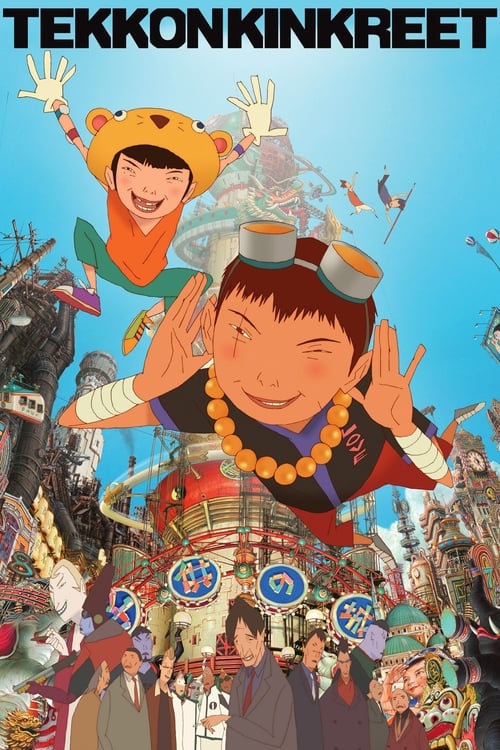
Tekkonkinkreet2.5June 1
Obviously, anyone whos into anime is far more likely to get something out of the two hours of “Tekkonkinkreet” than someone like me, who always feels completely out of place whenever i force myself through this hell that is animation, anime, cartoons, call it whatever you like. The point is that there are no actors, no tangible settings, no physical reality for the camera to capture. Whether a film is great or not depends almost entirely on the director, who is also responsible for the script or the story and, pay attention, that’s what should be judged above everything else. Why is it that in the world of anime people only seem to care about the animation or how “pretty” it looks? Yes, I despise anime. I can’t stand it. And despite that, I approached this film genuinely hoping it would win me over. Of course, I take for granted that the artwork, the visual flair, and the striking imagery are up to standard. That’s the bare minimum. There’s no casting process to get right, no actors to direct, no scenes to shoot 20 times until they work. A guy like me, a simple and straightforward viewer, watches “Tekkonkinkreet” and comes away feeling exactly the same. If I had skipped it entirely, I’d feel exactly the same because it gives me nothing, leaves no impression whatsoever. What i see is two kids jumping around in a fantasy playground that seem they can fly, some half baked yakuza theatrics, an attempt at violence (so brutally mediocre), and little else. The relationship between our two protagonists boils down to the oldest cliché in the book: yin and yang. One obviously possesses the screws the other is missing. What dazzling originality. What staggering depth. Absolutely mind blowing. So profound. Are we witnessing the second coming of Christ? Socrates reborn? Is this cinema 2.0? Anyway, then things turn surreal because fuck it why not. The world of dreams unfolds, some sort of “aliens” are introduced (because fuck it why not) and seem like they wandered in from an entirely different screenplay, and whatever fragile little narrative thread that managed to stay afloat goes straight down the drain Credits roll and I’m left exactly where I started. It contributes nothing, reveals nothing, and explores nothing. Fuck this movie. Seriously, this is a call to action to all those anime fans, turn your brain on for half a second at least.
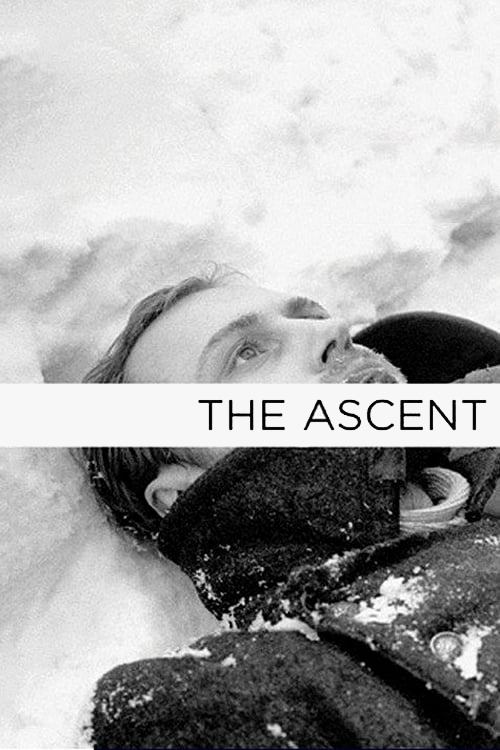
The Ascent8.0May 31
The ascent is so painful that we don’t even know whether it is really a descent. One thing is certain, though: by the time the film ends, your whole body may ache. Films from the former USSR about their wartime past often paint such agonizing portraits that, even when warned beforehand, it is impossible to imagine something this harsh. The sickle and hammer were the same when they were invaded by the nazis as they were later, much later, in peacetime. We all know the story: surviving on a knife’s edge in Stalingrad, rebuilding, and launching a counterattack with wave after wave of cannon fodder. What we often fail to appreciate enough is the role of the partisans, the loyal Soviet citizens who suddenly found themselves surrounded by the enemy. The life of the invaded is a melodrama: being crushed again on your own already-devastated land, watching life turned into a nightmare. The sickle and hammer lived through the war at home, i’lll say it plainly, not like the americans did. “The Ascent” is about that. It is about tears in the snow, not on a sunny beach in summer. It is about collaborators, and patriots too, I suppose. It is about feeling filthy for wanting to stay alive, and about inner ruin. Fortunately, we cannot truly imagine what that is like, we comfortable westerners in today’s prosperous Europe: having everything taken from you, stripped away, having your open wounds squeezed until they bleed again. This is not merely a hard film… it goes far beyond that. What drew me in most was the inner devastation, even if the film perhaps lingers on it a little too long, because the things that truly hurt tend to hurt for a very long time. I have no complaints about the first part, in which the two protagonists experience the existence of partisans trapped behind enemy lines. Nor do I have any complaints about the second part, in which we no longer know who is ascending and who is descending because, in the end, that is all war leaves us with: everyone dies.
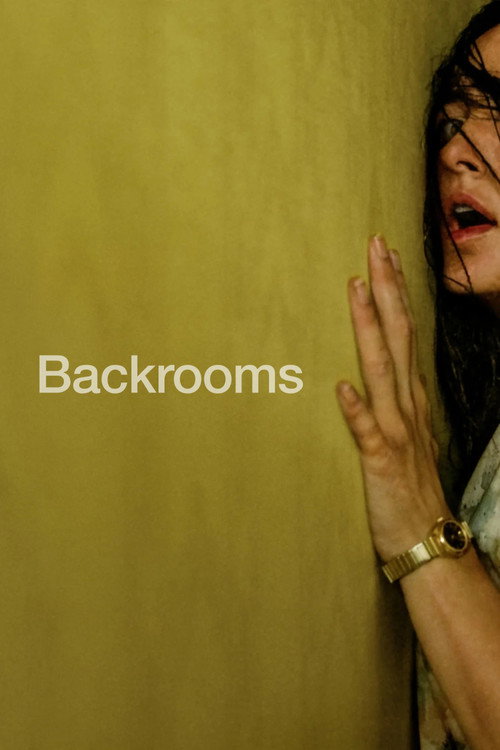
Backrooms5.0May 29
“Backrooms”directed by the young filmmaker Kane Parsons, is one of the most interesting recent entries in independent horror. Parsons takes his own viral youtube short film (which helped further popularize the Backrooms) and intelligently expands it into a feature film that respects the original spirit without falling into mere repetition. The adaptation is a successful one: it preserves the liminal and disorienting essence of the concept while adding narrative layers and character development that enrich the premise without betraying it. What worked in the short film as a striking shock effect becomes here a sustained immersion that fully justifies the transition to feature-length storytelling. One of Parsons’ greatest achievements is his ability to generate and maintain tension throughout the entire runtime. Rather than relying on cheap jump scares or easy tricks, he creates an unsettling narrative fueled by the viewer’s growing sense of unease. The endless hallways and oppressive ambient sound create an atmosphere that grips you from the opening minutes and never lets go. The camera moves with calculated restlessness, while the editing and sound design make the emptiness feel alive. Though it is fair to say, not understanding what is going on acts against its own narrative and the ending was underwhelming to say the least.
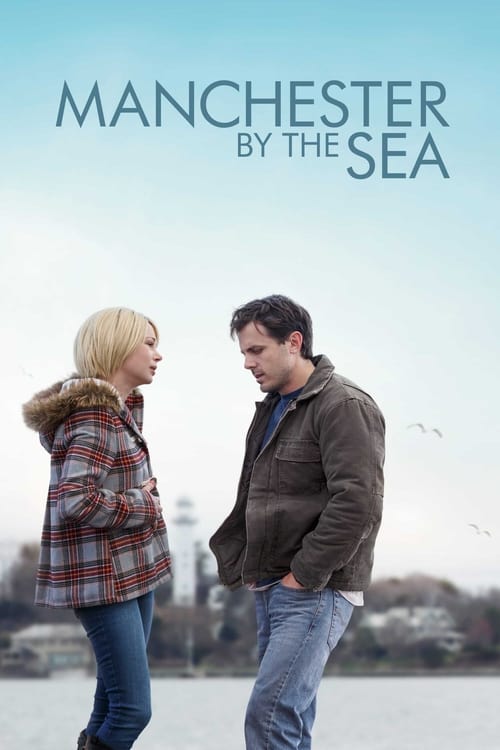
Manchester by the Sea8.0May 28