Skip to content


Recent activity
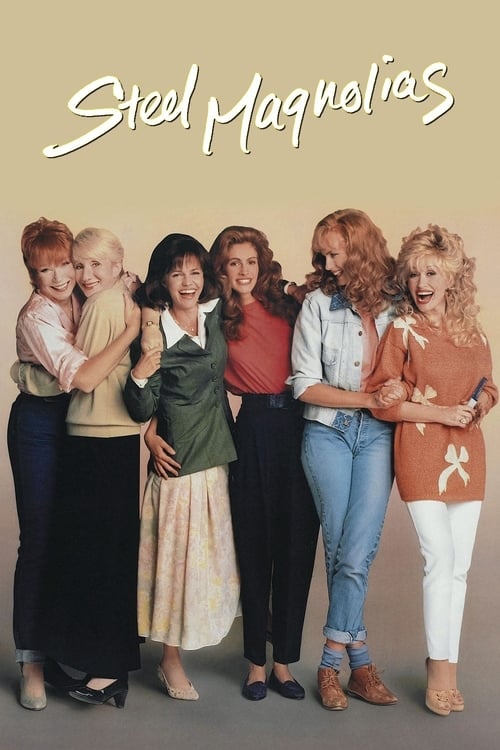
Steel Magnolias7.0May 19
Somehow, a movie about hairspray, weddings and Southern charm turns into one of the sharpest portraits of female friendship ever made, where nothing says girlhood like doing someone’s hair while gently unpacking generational trauma with sweetened, savage one-liners. This many iconic actresses in one room should legally require supervision, as the men in this movie are really just guests in a far more powerful cinematic ecosystem. The chair in Truvy’s (Dolly Parton’s) salon has seen more honesty than most therapists will ever see, and I can understand why.
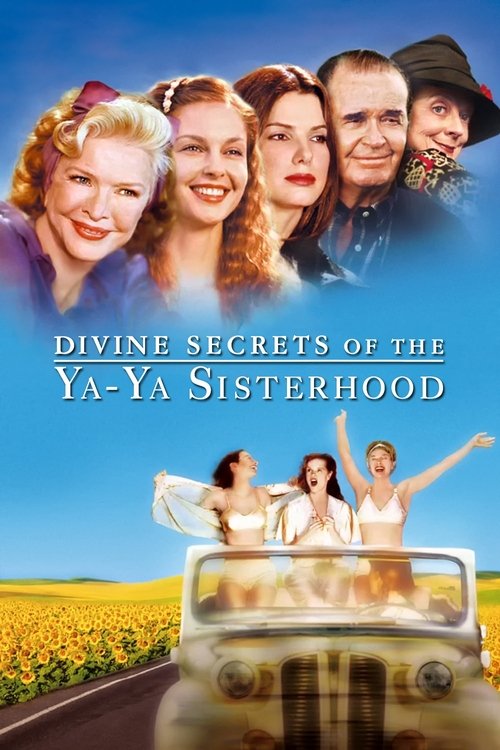
Divine Secrets of the Ya-Ya Sisterhood6.0May 17
The vibe is: “that’s just how mothers were back then,” plus psychological damage that lasts forty years, and Southern matriarchs treating emotional repression like the Olympics. Beneath all the Southern charm is a very stressed daughter trying to fact-check her entire childhood and realising the real secret of the sisterhood is that every conflict could’ve been solved twenty years earlier with one honest conversation and some much-needed therapy. Women be forming lifelong bonds instead of addressing the extremely obvious source of their emotional problems. Respect.
Easter Parade9.0May 14
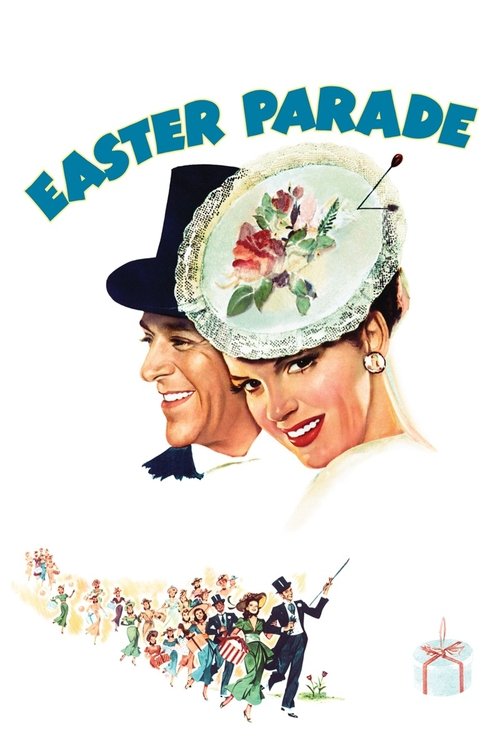
I admit to having a bias toward this film, as it’s a family favourite of mine passed through a few generations, but I genuinely believe that the film’s impact on audience expectations is just as significant as its influence on filmmakers. It helped normalise the idea that musical storytelling could be both light entertainment and emotionally sincere without contradiction. That dual expectation continues to shape how audiences respond to musicals today. The Astaire—Garland pairing is one of those casting decisions that feels obvious only after you’ve seen it. His restraint turned into rhythm; her emotion turned into melody. Together they create a push–pull dynamic where every scene feels like it’s balancing precision against vulnerability, and somehow neither ever wins outright—which is exactly why it works. Ultimately, the style is the argument. It is saying that cinema does not need to imitate the world to feel truthful. With controlled choreography, saturated colour, and costumes that behave like extensions of personality, it builds a reality in which emotion is visible and elegance is structural rather than decorative.
The Iron Claw9.0May 12
The idea of legacy presented as motivation, but functioning more like inherited momentum with no brakes. The Iron Claw depicts a real-life family dynamic where silence does a lot of the heavy lifting. Too much, really. This is the kind of film where brotherhood is real, love is real, and yet somehow none of it is enough to interrupt the trajectory the Von Erich’s are on.