Skip to content
Recent activity
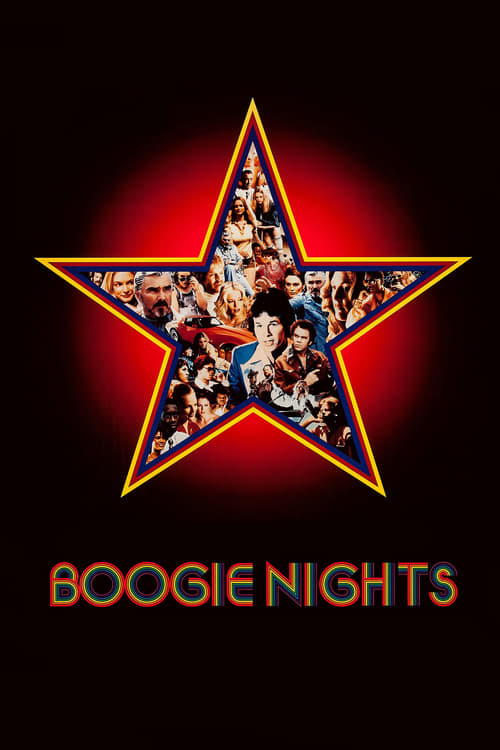
Boogie Nights10.0June 8
*This review may contain spoilers.* **The creative process ** Scientists have the **scientific method **but in all things creative, people follow the **creative process**. But what does that process actually look like across various fields? Cinema, music, plastic arts, poetry... **pornography**? Every creative outing must have a voice behind it. Whether that's a sole auteur, a theatre company or a big corporate brand, someone must ideate, iterate and execute the vision. It sounds strange to label pornography a creative outing. But it is, just like a cave painting is or a drawing on a fridge is or a grafitti under a bridge is. This central concept opens up the huge can of beans which is this film. Mind you, the creative process doesn't automatically imbue something with artistic value. To say that these porn producers are creative, doesn't mean that they are artistic. This movie doesn't imply either way. PTA is more concerned with exploring what that creative process would actually look like. Who comes up with the ideas? Who drives them? Who lights the scenes? Who deals with the audio? Who edits? And most importantly, who performs? There is so much to unpack solely on this exploration which takes about the first full hour of the movie but PTA then also concerns himself with other equally interesting themes. First, what are the paralellisms between the pornographic creative process and a traditional film creative process? Second, what are the paralellisms between the porn industry and the film industry? Spoiler alert: many (see noncey producers, drugs and alcohol, child labour, mafia involvement, dramatic downward spirals). Third, how similarly do transitions affect the various creative processes, the industries, and the people participating in them? E.g. see silent-to-talkies vs film-to-tape Fourth, these *people*, these **pornographers, **are they people? Are they human? Do they bleed? Spoiler alert: yes. Fifth, art and morality? Does it have an effect on society? Probably yes, but not as much as people think. "If violence in movies makes the world more violent, I would stop making them!" Sixth, could porn actors get a bank loan in 1983? Probably not, although I wonder how good an onlyfans model's credit score is today. Seventh (related to the fourth), does porn cheapen sex? Maybe but these actors and pornographers are still shy when around their *crushes* and they feel disrespected when treated without sexiness; their version of artistic respect. PTA takes this one very seriously. These people, say whatever you want about them, do have lives. They have parents and sons that they miss, they have famiy who have hurt them, they have classmates who have bullied them, they have dreams they want to fulfill, magic tricks to learn, stereo kits to sell, kids to raise. Eighth, we all have one thing. But do we actually? PTA plays around with this one. Dirk Diggler is the man! But it's actually Eddie who deeply affects the people around him, and who leaves a very big hole when he leaves. It's not his cock that they miss. Still, PTA gives that final shot. Eddie does need Dirk, more than anyone. That's his thing.
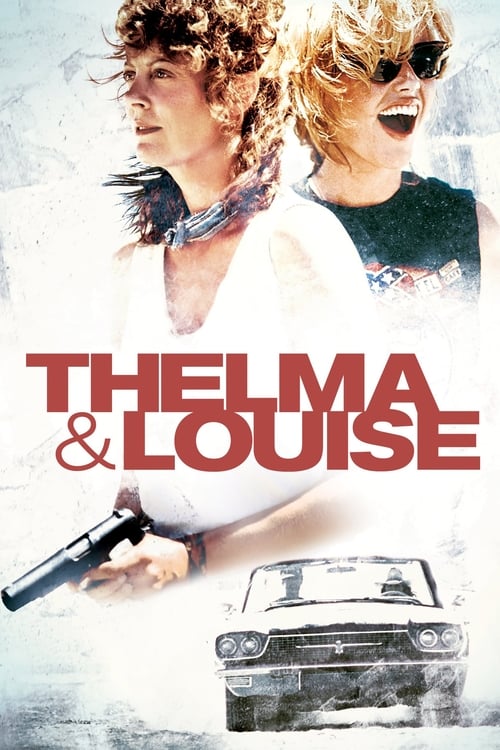
Thelma & Louise10.0May 31
*This review may contain spoilers.* 10/10 Without the sentimentalism that R. Scott tends to resort to, yet being the most heartfelt of his films. The performances here are phenomenal all round but what Susan Sarandon and Geena Davies achieved is truly masterful. I could rewatch the trucker sequence a thousand times. Thelma has lived a guarded (or better said, opressed) existence her whole life. She is innocent at a level that is even admirable, and has a childlike wonder about all things big or small. Louise appears to have seen it all, she is sharp, knowledgeable, and strong. She seems to always know where she wants to go and what she wants to do. She has no fear. We slowly realise that Louise has no real plan. That she is a woman constantly on the run. From Texas, from the Law, from her job, from love and connection... She is gripped by fear and anger towards a world that has eaten her up and spit her out who knows how many times. She has built up walls so high around her that she can't even see the few good things the world may offer her; like Jimmy's devotion, Thelma's friendship, or even the beauty of nature which she only really recognises after Thelma points it out. But we see deep down she wants to stop running, she does want that deal, she wants to forget Texas, she wants to love Jimmy. Likewise, we see how Thelma, for the first time in her life, gains control of her decisions, of her destination, of her fate. She is finally free, and upon seeing the vastness of the world, the good and bad, she has the emotional resilience to still want to be free in it. She never wants to go back to the prison that was her domestic life. The crimes against her and by her don't fill her up with fear, rather they make her conscious of her own strengths, of her own capacity to act by her own volition. She wants to keep going, not to run away, but to run further towards herself. All journeys are journeys inwards and outwards.
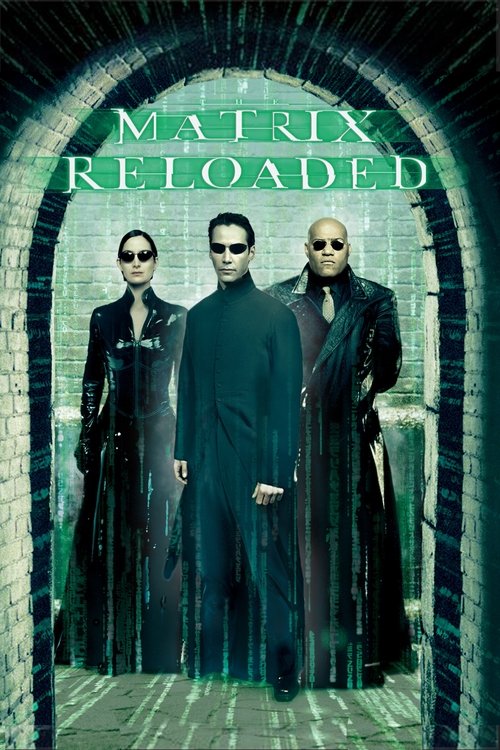
The Matrix Reloaded8.0May 9
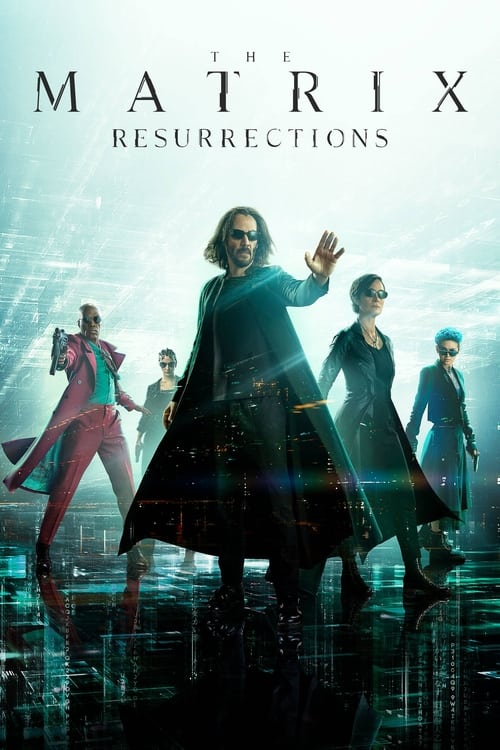
The Matrix Resurrections8.0May 8
Lacking the style, the rhythm, the finality, and the crisp action of the trilogy, yet conceptually very strong, perhaps even stronger than the original three. The Wachowskis rarely miss and this really worked for me. I can't imagine how a sequel/reboot to such an iconic series could have been made any better than this.