Skip to content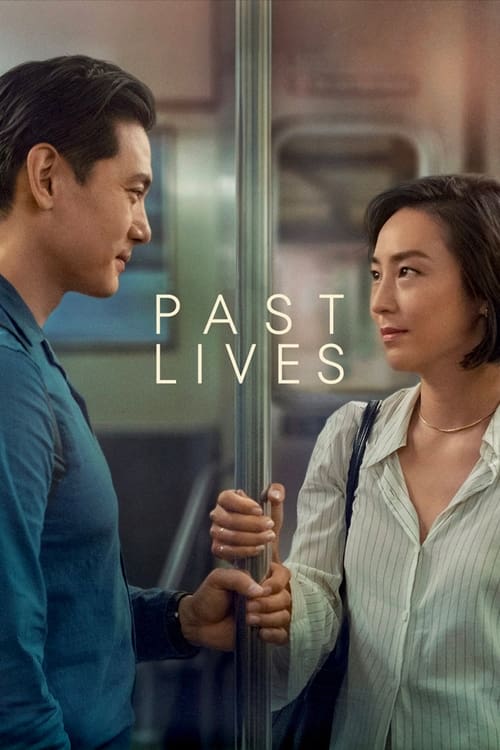

Recent activity
Past Lives9.0March 29
***9.5*** ***“But the truth I learned here is, you had to leave because you're you. And the reason I liked you is because you're you. And who you are is a person who leaves. But for him, you're the person who stays.”*** Past Lives is a stunningly poignant exploration of human connection, culture, and altering destinies backboned with an exceptional element of maturity and emotional intelligence. The camera moves candidly, it picks out characters in groups or crowds, follows our people of interest while acknowleding the unexplored stories around them. It's shot with a sort of sonder that acts as thematic context for the life choices and relationships that shape the story's narrative. This story is one of many different people, and in itself is a culmination of different choices, paths, connections, all that lead to one harrowing tale of melancholic proportions. The film doesn't take leaps or work to pleasure audience fantasies or desired outcomes, it works in an achingly honest reality of how lives took place. Each character displays an admirable level of understanding, maturity and emotional intelligence that disolves any potential conflict, leaving the movie less a drama of the classic love triangle, but a tale of right person, wrong life. There are no bold moves of physical intimacy, no dishonest acts of infedelity, just a smooth road of the understated acceptance of lives having moved in opposite motions. The film ultimately explores how our personal destinies cultivate contrast and connection, and sometimes we need to accept difference and let go. Not everyone shares a life path, the choices each individual makes may diverge them, and that requires acceptance. True connection requires understanding, and true understanding requires the foresight that not everyone belongs interlinked. In a film with no real conflict, the closest comparison is life's chaos and unpredictability, and how our search for purpose may conflict with our connection. Past Lives is a profoundly mature, bittersweet and melancholic exploration of cosmic concepts framed through everyday individuals.
Anora9.0March 28
***9*** ***“I like Anora. I mean I like Anora more than Ani.” *** Anora is a stylized, nuanced and brutal depiction of connection, objectification, and ambition. Anora finds its stride in its style of indie film-making, the realistic urban lighting, the personalized style of cinematography utilizing handheld cameras and close-up wide lenses, it works with a direction that stays consistent and matches the personal aesthetic of character relations and conflicts. It feels deeply human and culturally relatable through its screenplay, weaving deep-seated pain, longing and contrasting humanity with comedy through well-timed remarks and over-the-top vulgarity. The film explores sex-work with a careful nuance, respecting it while not steering clear from its negativity. In Ani we explore the effects of long-term sex work, the objectification in replacement of connection, and how humanity is diluted into assets. Self-worth is measured in body, money and status, and ambition takes form in the hustle, a trade of these assets and measurements. Nearly every characer is a selfish reflection of desire and self-preservation or continuation, ravishing in their lifestyles or appeasing one for their own sake. Mikey Madison delivers a strikingly comedic and coarse performance with an underlying poignancy in its elements and nuance. A husk of human connection, a perpetuating hustle for assets delivering vulgarity as a defence for the hidden pain beneath the flawed surface. In coping, defeat, victory and conclusion reversion lies in the same craft she has built her status upon, and that repells genuinity due to its unfamiliarity. This is what makes for such a powerful ending, the foreign reality of what has been diluted to object and industry, the unrecognized repelling, and the subsequent understanding. Anora is a grounded film that abandons triumph and perfection for honesty and passion, a human piece of storytelling that uses careful precision in volume and imperfection to deliver a stunningly genuine story.
The Father9.0March 27
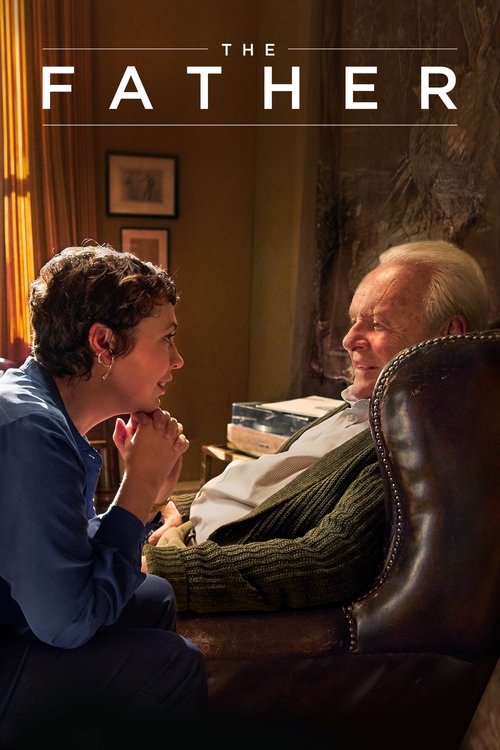
***9.5*** The Father is a heartbreakingly poignant exploration of familial resentment, old age and memory loss. The film uses ingenious editing and direction to put the viewer in the perspective of Anthony, disorienting you with a fragile sense of time, place and memory in order to capture the tragic sense of confusion accompanied by Anthony’s fleeting conscious. Narratively this sets the film in a convoluted timeline of pasts, truths and unapologetic falsehoods. Hopkins delivers a tragically brilliant performance in inconsistent emotion and poignantly unpredictable tone, carving the themes and character conflicts of the movie in an unintentionally bleak sense of unknowing. Through his character’s confusion, occasional humour and seemingly intentional demeaning the viewer finds themselves at a crossroads of which they can’t help but feel a deep sadness for his position. The film carries a small cast with an emotional strain between them, resentment and anger but also sadness and pity. Family serves as burden and a source of anguish, and the film harbours a melancholic bitterness through the built up context of Anthony and his two daughters, one caring for him and one having died many years ago. Anthony is a man plagued by loss, his second daughter, his wife leaving him, and in the end he finds himself burdened with a deep sadness at the leaving of his daughter. All he can do is imagine his youth, his mother, and call for her. The Father is a heart-shattering portrait of age, grief, and the fleeting conscience of a victim of Alzheimer’s, the film affects you and burdens you with its emotion. It’s bound to linger on you for days, weeks, or even months.
Everything Everywhere All at Once10.0March 23
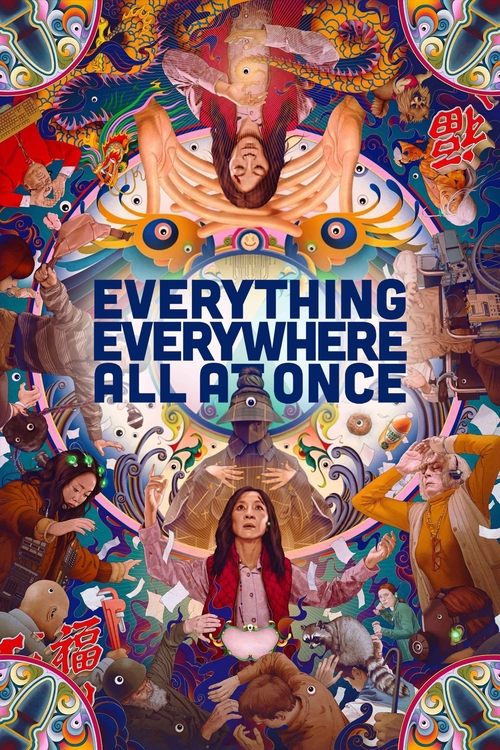
***10*** ***“So, even though you have broken my heart yet again, I wanted to say, in another life, I would have really liked just doing laundry and taxes with you.”*** Everything Everywhere all at once is a heartfelt, inventive and emotionally powerful genre-blend of comedy, sci-fi, surrealism and fantasy. It uses an array of unique camerawork and editing to flow through genres, tone, and expressive characterization. It's creative direction allows for deep character and thematic exploration through surreal and unconventional action without clashing, the movie brilliantly pairs emotion with bizareness while not feeling jarring whastoever. It's a poignant tale of family, generational trauma and healing, while also serving as a reminder to be appreciative, and love. Family passes down harm, trauma falls down the ladder of generations and into the next of kin each time. It's a vicious cycle of tradition, negativity and cultural difference that can only perpetuate familial disconnect. It's what bubbles into the lack of love, connection and the division that strains bonds and can make meaning seem overbearing instead of given. The film explores meaning through connection, that through all of life's successes the greatest achievement is to cultivate community and kindness. Between hardships, faults and failures the key to prevailing is to be kind and be loving. Is success worth it if you rid yourself of love? Maybe being rich in life isn't money, fame or status, but is having love, connection and fellowship in your life. Unity is purpose no matter wealth or position. Everything Everywhere All at Once is a heartfelt, genuinely passionate masterpiece on what it truly means to live driven by incredible performances, cinematography and editing.