Skip to content



Recent activity
13th10.0April 19
Y Tu Mamá También10.0March 10
Taste of Cherry9.0March 6
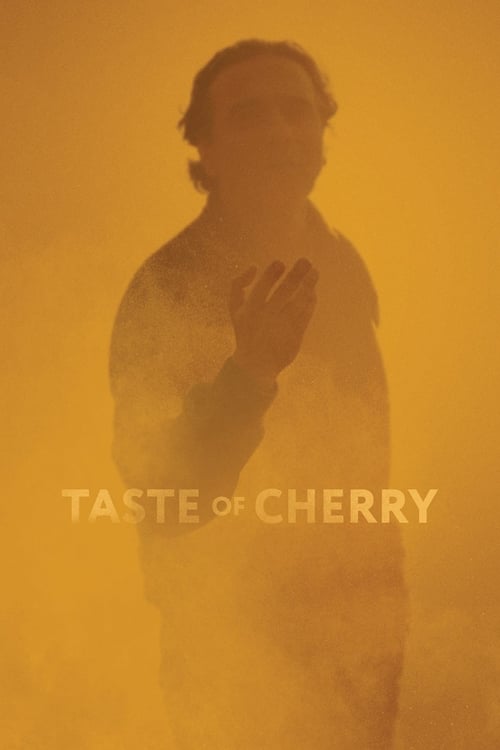
Despite not knowing anything about the protagonist’s circumstances, I believe the most humane and realistic aspect of this film is how relative the meaning of life and death becomes, depending on whom Mr. Badii is interacting with. His encounters with the young soldier and the seminarian inform us that these are kids who've endured war and displacement, pledging allegiance to a nation that is neither their own, and to a god who doesn't offer the same sympathy they themselves extend to others. I thought it was brilliant to make the distinction that these characters don't abide by Mr. Badii's wishes, not because they don't have the emotional capacity for suicidal thoughts, but more so, their perception of what life has given them, and will continue to do so, will never quite align with his. With that being said, the line "You want to give up the taste of cherries?" resonates the same to me. It really made me wonder if this was a sentiment stated by someone else in the film, or perhaps at a different time in the timeline, what would be the unpredictable human reaction exhibited by Mr. Badii? Would it be indifference? Or maybe an earlier realization of doubt? Either way, the uncertainty makes it all so much more compelling and authentic, given how little we are explicitly told. Overall, I really enjoyed this film, viewing it as a celebration of life and the natural cycle of giving back to it, whether from suicide and being buried by the earth and falling dust, or from creating art as beautiful as this.
Sparkle4.0March 2