Skip to content


Recent activity
Magazine Dreams6.0October 27
*"You have to do something big and important, or nobody will remember you when you're dead. It's sad to say, but that's just how it is. The only thing that matters in a man's life is how he'll be remembered”* This is a film I’ve been waiting nearly two years to watch, as it constantly got buried on my watchlist. As corny as the “male loneliness epidemic” can be, especially with how often the phrase gets thrown around, I think this film handles the subject quite well. I personally think Killian is a very well-written character, elevated even further by Jonathan Majors’ performance. Despite everything Majors has done, it’s hard to deny that he’s an incredibly talented actor who could have become one of the best actors working today had things gone differently. This is easily the best performance I’ve seen from him, and, in all honesty, it leaves me wanting to see more of what he could bring to the screen.
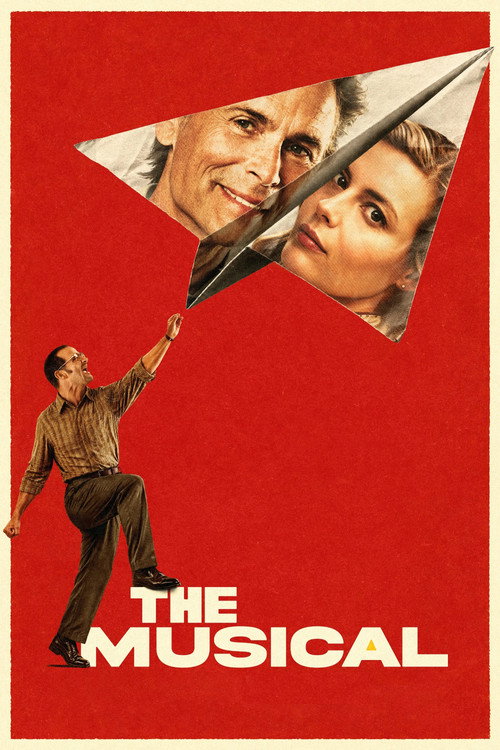
The Musical5.0October 27
A very short, but very sweet film. Absolutely loved the style, and the ending play. Unfortunately everything in between is either to basic or doesn’t work.
The Hunchback of Notre Dame6.0October 27
Not a great story, but the hellfire song and animation is masterful.
You Can See Everything9.0October 23
*“FYI you ***can*** see everything”* The use of language in this film is specifically meant to trick you. It’s an example of how language can be misinterpreted, and how one little word can change the entire meaning of a multi-billion-dollar company. It’s a means of manipulation, used to control others’ thoughts and avoid the consequences once the “meaning” is revealed. Just as Elizabeth says in her FYI quote, the word “can” could simply mean that eventually, he’ll see the whole picture, but maybe not in that moment. By the end of the film, we’re watching every party involved manipulate and control one another in ways that benefit them. Elizabeth uses Billy to escape blame, Billy uses Elizabeth for her wealth and namesake, and Nathan manipulates the film to protect Elizabeth. These are all ideas engraved into the film, yet they’re left semi-inconclusive. Nathan could feel bad but remain upstanding in his portrayal of the film. Billy could be the one being manipulated into believing he’s in control, and Elizabeth could be the one being taken advantage of by Billy. Maybe it’s a mix of all three, or maybe only one of these interpretations is right. The beauty is that we’ll never know. None of it is ever fully confirmed, leaving us with nothing but doubt and questions about what the truth might actually be. Fielder’s humor also helps the film along by providing an almost cartoonish absurdity as he shuts down the vague answers Billy and Elizabeth give. At times, it feels like they attempt to provide the right response, only for Fielder to immediately cut them off and dig deeper until they snap. His constant interruptions disrupt the interviews, and it’s very noticeable. Fielder turns the documentary from something you’d expect to be science-related into an almost psychological battle of saying the right things with the right words. Every line of dialogue could probably be analyzed to uncover a different meaning than the one commonly understood. In all honesty, this film is something I don’t think anyone would ever be capable of even writing a script for. This is the first film this year that I believe to be an undeniable masterpiece. It’s the first time in a long time that I’ve sat on the edge of my seat, mouth agape, in astonishment at what I’m seeing. This is one I’ve been flipping back and forth on my rating for, so don’t be surprised if that rating changes. At the very least, though, I can promise that anyone and everyone can enjoy this film, even without context. Absolute cinema, and I hope to see more of this from Lance Oppenheimer, because that man is on a roll.