Skip to content



Recent activity
Coyote vs. Acme8.0September 6
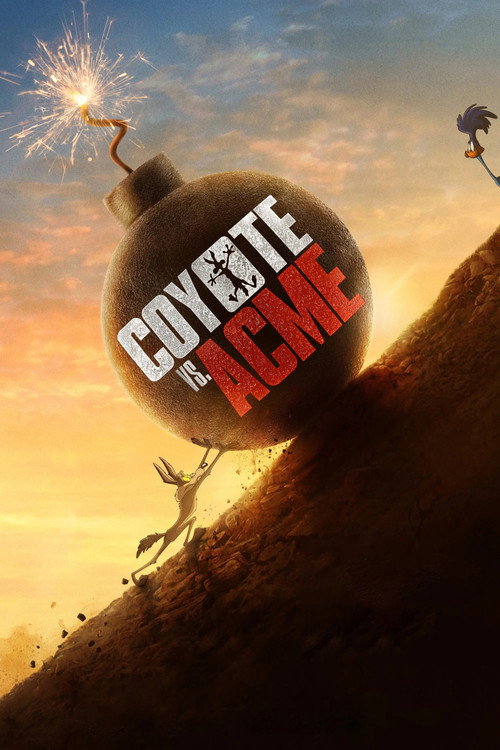
Wile E. Coyote finally said “actually, I'm suing these motherfuckers.” And somehow that is the exact movie this character needed. Coyote vs. Acme takes the oldest joke in the Looney Tunes playbook—ACME sells Wile E. increasingly suicidal bullshit—and stretches it into a surprisingly charming legal comedy without sanding away the cartoon violence that makes the character so damn funny. Will Forte gives Kevin Avery enough exhausted loser energy to pair beautifully with Wile E., while John Cena gets to weaponize his natural charisma as the smug corporate bastard standing between them and justice. What makes the whole thing sweeter is that Wile E. isn't suddenly turned into some heroic action star. He's still a deeply committed idiot whose plans keep exploding in his face; the difference is that somebody finally listens to him. The hybrid animation also lets the movie preserve that ridiculous physicality instead of forcing the Looney Tunes characters to behave like ordinary CGI mascots. And considering Warner Bros. originally shelved the completed film before it was sold to Ketchup Entertainment, watching this thing actually reach theaters gives the premise an accidental second layer of “corporation fucks over little guy, little guy fights back.” It's goofy, warm, nostalgic without being embalmed in nostalgia, and somehow turns a lifetime of anvils, explosives and rocket skates into a genuinely satisfying underdog story.
The Breadwinner8.9August 27
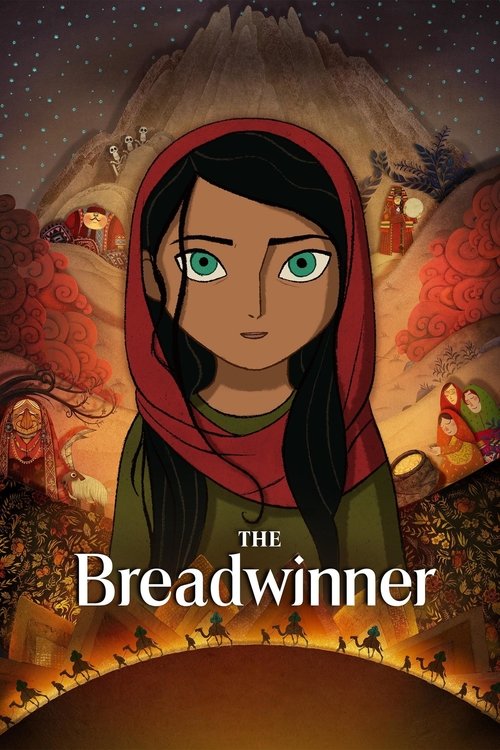
Parvana cuts her hair, puts on a boy's clothes, and suddenly has to become the entire fucking household because the adults around her have been stripped of their ability to provide. That premise could have produced misery porn, but The Breadwinner is far more interested in what imagination does when reality becomes unbearable. Parvana's fantasy story isn't some random cute subplot stapled onto a serious film; it echoes her own situation, letting her transform fear into something she can actually confront. The hand-drawn animation makes that distinction gorgeous, shifting between the dusty severity of Kabul and the deliberately stylized world inside Parvana's story without losing the emotional connection between them. And Nora Twomey does not baby the audience. The Taliban's restrictions aren't softened into vague “bad guys,” and Parvana's courage never becomes superhero bullshit. She's a child improvising her way through circumstances that should never have been hers to handle. That's why the quieter moments hit harder than the obvious dramatic ones. Even the film's hopeful streak feels earned because hope here isn't presented as naïveté; it's an act of resistance. The film's ten Annie nominations and eventual win for Best Independent Animated Feature are deserved, but the real flex is how much emotional complexity it gets out of 94 minutes. Devastating, gorgeous, politically conscious without turning into a lecture, and proof that animation can carry stories far beyond the “family entertainment” box people keep trying to shove it into.
Emma.7.4August 27
Emma Woodhouse has money, beauty, intelligence and absolutely no fucking business meddling in anybody's love life. And Anya Taylor-Joy understands that contradiction beautifully. Emma isn't cruel so much as spectacularly convinced that her intelligence automatically makes her right, so every matchmaking scheme becomes another tiny demonstration of how little she understands the people she's supposedly helping. De Wilde makes that arrogance delicious to watch: the symmetry, pastel interiors, elaborate costumes and almost storybook compositions turn Highbury into Emma's personal dollhouse, right up until reality starts fucking with the furniture. Mia Goth's Harriet is wonderfully awkward, Josh O'Connor is having a feast as the disastrously pompous Mr. Elton, and Bill Nighy somehow turns Mr. Woodhouse's hypochondria into an entire comedic ecosystem. The romance takes its sweet-ass time, but that actually suits the material; Emma has to learn humility before she can understand what she feels for Knightley. It's gorgeous, funny, very British, occasionally twee as hell, and basically a two-hour reminder that being rich does not automatically make you emotionally literate. The production is ridiculously polished—no surprise it landed Oscar and BAFTA recognition for its craft.
Smurfs1.8August 27
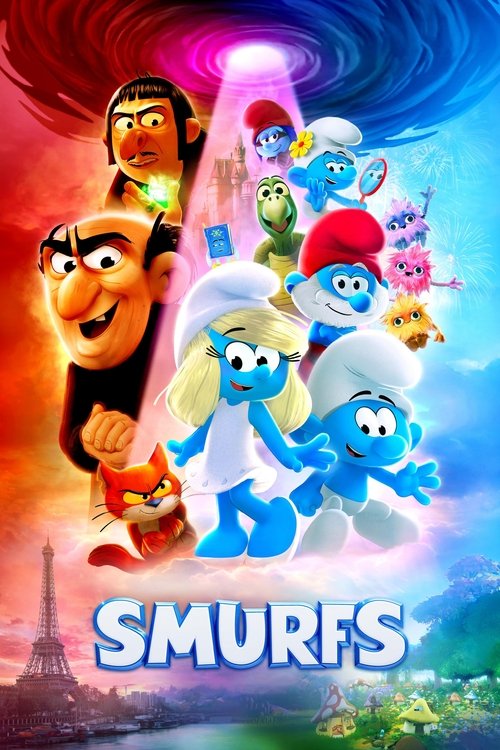
I have never seen 89 minutes work this fucking hard to convince me that nothing is happening. 😭💀 Papa Smurf gets kidnapped, Smurfette assembles the gang, No Name discovers magical powers, portals start opening, and suddenly we're in Paris, Australia, Munich, alternate dimensions and whatever the hell else the screenplay can throw at us. On paper, that's an adventure. On screen, it feels like somebody kept clicking “randomize location” because the actual story wasn't holding the room. The No Name storyline is especially painful because the basic idea—someone who doesn't have a defining trait learning that he doesn't need one to have value—could've been genuinely lovely. Instead, the film keeps repeating the point until even the Smurfs are probably looking for the skip button. The animation has some fun stylistic detours, particularly when the movie temporarily leaves its usual candy-colored CG aesthetic, and a few supporting characters manage to squeeze actual personality out of the chaos. But those flashes aren't enough to rescue a script that feels aggressively overstuffed and strangely empty at the same time. Gargamel and Razamel were supposedly trying to destroy all the goodness in the universe, but babe, the screenplay got there first. 💀