Skip to content



Recent activity
Project Hail Mary10.0May 15
I’d like to think Grace’s appearance when he first wakes on Hail Mary is an allusion to the Western image of Jesus, representing the salvation that would resurrect both humanity and the comedy genre
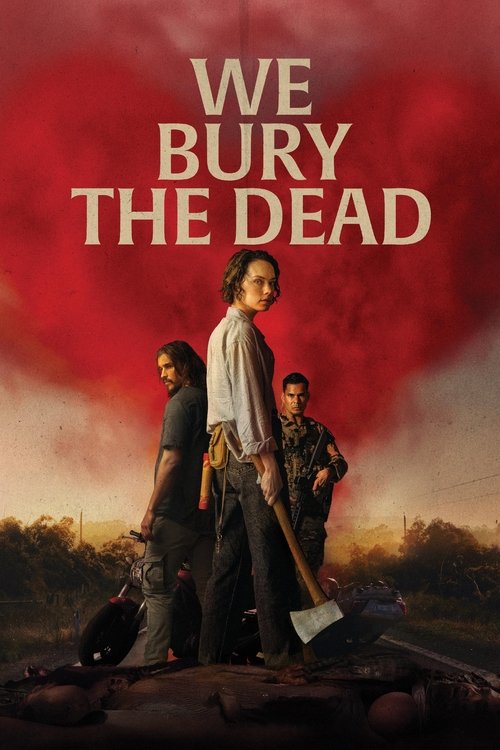
We Bury the Dead8.0April 25
Australian gothic + homage to Shakespeare (Romeo and Juliet) + biblical iconography + allusion to Indiana Jones and the Last Crusade’s cold opening = peak horror I couldn’t care less that it’s generally perceived to be slow paced or boring because that’s exactly what it needed to be and it shouldn’t be considered a bad thing. Do we have to lose our humanity in order to gain it back?
Wasteman8.0April 16
awesome cinematography and desaturated colour palette. also a great reflection of the critical capacity crisis UK prisons are facing and how this is impacting the safety and rehabilitation of prisoners - peak political commentary I also think (this might be a stretch) that the work functions as a microcosmic metaphor for how individuals feel in contemporary society (which is why McMau establishes such a bleak narrative). what I mean is we’re facing resource depletion (staff shortages referenced), a loss of privacy with social media and the housing crisis (not enough prison cells/bunks/other) and remand-style waiting for basic public services like delays in driving tests or support for mental health/ mental health diagnosis’ (remand whilst waiting for trial), effectively representing systemic scarcity
Starship Troopers7.0April 6
a bugs life (1998) x triumph of the will (1935) x literally any U.S geopolitical intervention (post WW2-present) I’m so amazed that such an on-the-nose political critique was promoted in such a mainstream, military action-based film. Bastardising the U.S military pre 9/11 and exposure of Guatemala bay/ Abu Ghraib, and reinforcing this through allusion to rape (one of the worst human behaviour) through the artistic design choice for the brain bug to resemble women’s genitalia, then depicting it being graphically penetrated (so much so that it’s ‘censored’) by the military’s probe in the final propaganda advertisement, is far more progressive and forward than anything I was expecting from this work. Additionally, the classic dehumanisation and Othering of the enemy (assuming that its absurd to infer they may be capable of metacognitive functions), powerfully establishes the allusion to Western society’s perception of less developed countries populations, and the contradictory perspective that they are dangerous, more so than ‘us’ through the bugs brute strength and aggression. Furthermore, the inclusion of child soldiers and deliberate propaganda to target them was the cherry on top.