Skip to content
Recent activity
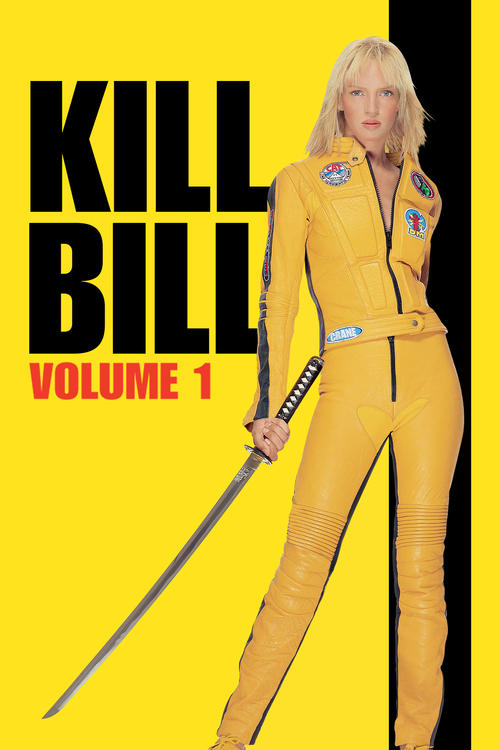
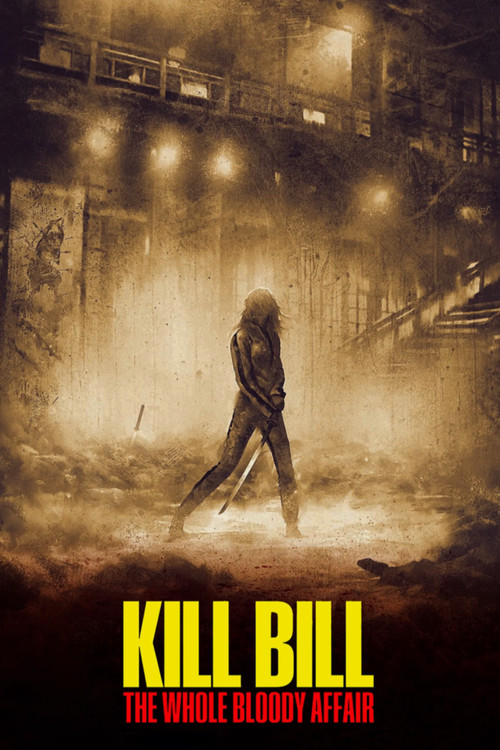
Kill Bill: The Whole Bloody Affair10.0August 29
First of all, *The Whole Bloody Affair* on the big screen is a breathtaking experience. Part one is, of course, one of my favorite movies of all time, but it took seeing both films at a theater to appreciate the technical prowess of Tarantino’s filmmaking. On picture and sound quality alone, this was a masterpiece. (Shout out to the Paris for their Big and Loud series!) As far as my impressions go as a huge fan of *Kill Bill*, I thought that *The Whole Bloody Affair* did both individual films justice. I like that the BB reveal is saved for the end, especially because a few people in the theater raised their hand when asked if it was their first time seeing any iteration of the film and they had no clue it was coming (I was so jealous). I also really loved the extended O-Ren vignette, which is already one of the highlights of part one. Unfortunately, I’d say seeing the two films back to back does highlight that part two is the weaker half but I wouldn’t knock down my rating of this presentation for that. I could go on and on about every detail I adored, but I’d rather just say this—*Kill Bill Part One* has been one of my favorite works of any medium for about ten years now. It was my introduction to the possibilities of what film can be, to entire worlds of cinema beyond whatever blockbuster was currently playing at my local suburban movie theater. At fourteen, I thought Beatrix Kiddo was the most badass female protagonist of all time (Sorry, Ripley). I still think she is of course, but as a teenager I was only paid attention to the fact that she killed her enemies in awesomely brutal ways. I found her endless bloodlust for revenge almost aspirational, as an angsty teenage girl would. Now, as a woman, I see her vulnerability and pain, that she’s really just a mother fighting for her child, a woman defending her dignity. It’s heart wrenching and real in a way that only reveals itself more and more as I become a woman myself.
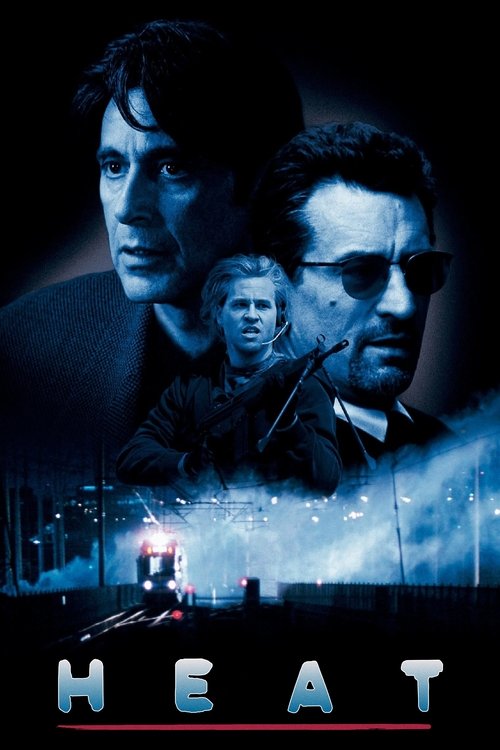
Heat7.0August 28
Gonna do rapid fire takes as disjointed as this film was: - god I wish they kept Hana’s cocaine addiction in - love Val Kilmer - De Niro was by far the strongest performance in an extremely stacked cast, that’s my GOAT - love Spinotti’s cinematography, not as stylistic as *Manhunter* but effective for *Heat* - again referencing the only other Mann film I’ve seen, female characters are slightly more evolved than *Manhunter* - something about the way this was edited reminds me of when I’m streaming something with ads and the ad cuts out like five seconds of the video when it restarts, like I felt as if I was missing crucial scenes for the narrative - Mann is just too on the nose thematically speaking - bank robbery sequence is incredible movie magic
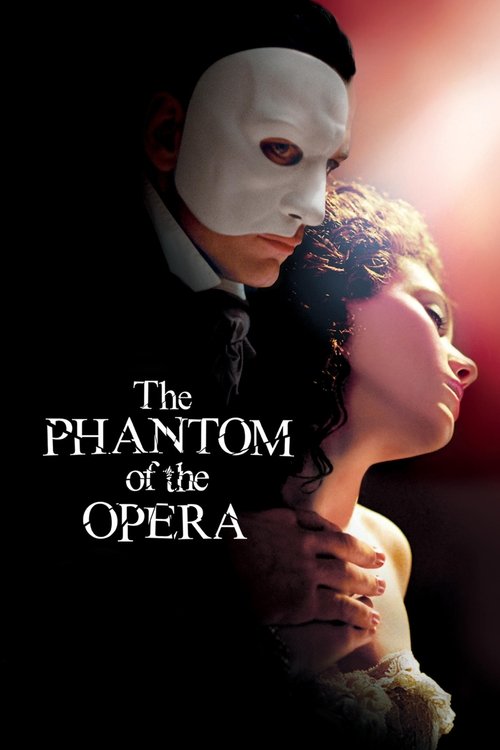
The Phantom of the Opera5.0August 16
Joel Schumacher asks a really interesting question here: what if the *Phantom of the Opera* was sexy? As a lifelong fan of the show, it seems like the intuitive approach to a 2004 blockbuster film adaptation of the stage musical. Depending on who you might’ve seen on stage, the Phantom can be scary, romantic, or downright tragic. The problem here is that Schumacher’s adaptation is so stylistically one-dimensional, everything is sexy and nothing is ugly. Which is a crazy thing to do when a central element of the story is that the Phantom is a hideously deformed man. Emblematic of this misunderstanding of the source material is the ridiculous decision to adjust the area of the Phantom’s facial deformity depending on the costume he wears in an effort to maintain his handsome, brooding appearance. In the stage musical for example, the Phantom appears in his iconic Red Death costume at the beginning of Act II’s “Masquerade” number, terrifying and mysterious in elaborate garb, his head totally concealed in a skull headpiece. In the film, Gerard Butler’s Phantom is literally just another dude in an eye mask. Like her male co-lead, Emmy Rossum’s Christine is about as flat as her singing. Did she look impeccable? Well, yes. But I know nothing about her motivations, fears, aspirations, nada. Sometimes she seems like she has agency while other times she acts completely helpless. And don’t tell me this is an issue with the source material when I’ve seen some amazing portrayals of Christine with a clear characterization. Again, like Butler, Emmy just stood there and looked sexy, even when she’s crying. I really wish they chose a stronger singer as well, because I cannot believe that Emmy’s Christine was worthy of replacing Carlotta and blowing everyone away when she couldn’t even properly do the run at the end of “Think of Me.” Deadass they could’ve replaced her with the wax figurine in the Phantom’s lair and no one would notice. Some of the directorial changes and adjustments to the script also make no sense. The constant cape flipping? A bunch of formerly sung lines are turned into dialogue? Madame Giry is lowkey a villain here? The random points in time where Christine’s makeup changes multiple times in a scene? Schumacher could not settle on realism or fantasy and it shows. I also lol’d when the Phantom made Christine ride a horse to get to the boat 20 feet away. I really don’t think this is a work limited by the confines of stage; if I had full creative agency, there’s so much that could be done with the original design as a reference point. The film isn’t total slop, because I do enjoy watching it. Minnie Driver is an amazing Carlotta. Outside of the Phantom, I love the costuming, especially for the ensemble. I think that the film breathes a lot of life into the background characters and I love how dynamic the opera house feels. I actually do like that Schumacher saved the chandelier crash for the end, which makes the finale much more exciting. I’ve always felt this was one choice I didn’t understand in the stage version. And you know what, I think this version really amped up the drama and sexual tension of “The Point of No Return”; I think Schumacher was right to make this scene sexy. The stage version is pretty good, but the two leads just kind of run around a table. I love the choreography and set design for *Don Juan* and how both elements lend themselves to setting up a perfect climax in the final act. But now I’m wondering why none of this juice is apparent in any of the other creative choices Schumacher made? I think this film is worth a watch if you’re already a fan of the stage musical and curious to see what made the cut and what didn’t. If you want a better introduction to *Phantom*, just watch the 25th anniversary version (Sierra Boggess and Ramin Karimloo are one of my favorite Christine-Phantom pairings). I will say, I did notice a few of the musical cues that only appear in the film are actually early versions of some of the songs from *Love Never Dies*, which is the awful but beautifully composed sequel. So a fun Easter egg for the Phans! Your obedient servant, OG
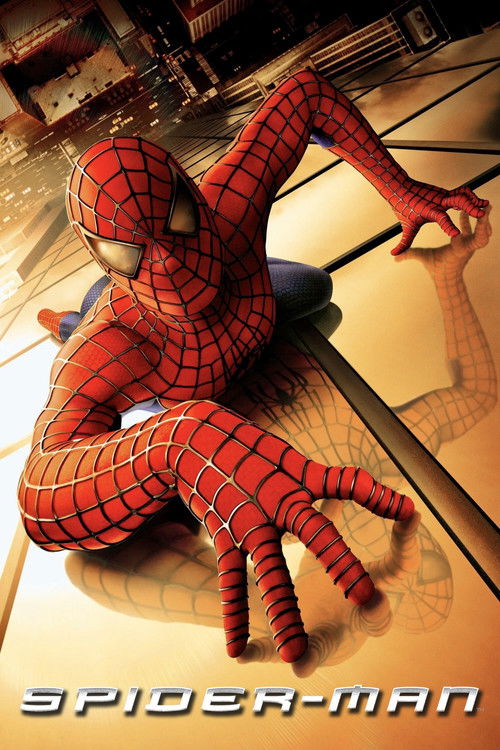
Spider-Man8.0August 4
Palate cleanser! Tobey Maguire is 🤤 here. That’s all.