Skip to content







Recent activity
Tombstone8.0May 13
More like Auraloss, Arizona.
Project Hail Mary10.0May 13
The Punisher: One Last Kill7.0May 12
I feel like they didn’t know what to do with this character.
Neon Genesis Evangelion10.0May 2
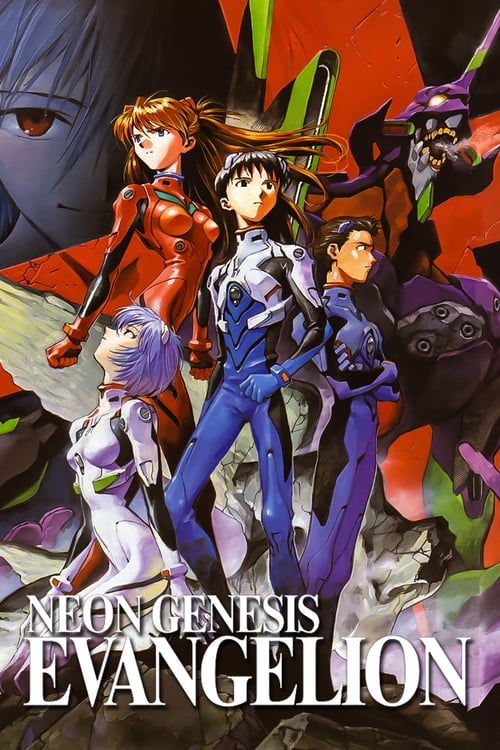
"To Father, thank you; to Mother, goodbye; to all the children out there, congratulations." Few times have I seen something that boggles the mind such in a way that truly makes the viewer understand it even better. That's a bunch of nonsense, but it's an apt description of this show. Something that I love about Evangelion is that you can really tell when it wants to push the viewer to understand themselves in a new perspective, and when it wants the viewer to kick back and have a laugh. It's like season 2 of Twin Peaks, if that part we don't talk about was actually good. There is a part most people like to gloss over when it comes to this show, though, which is the last two episodes, in favor of The End of Evangelion. I think these two episodes encompass the soul of the entire show, beyond the maternal metaphors and Kierkegaardian and Freudian exploration of the psyche, that the first several episodes also seemed to capture; it's okay to live. You can live for others, you can live for yourself, but above all, what's most important is living. There is no clear cut right or wrong, another factor which really separates it from some other shows in the genre. The only parental figure in Shinji's life, his father, is absent in the name of "not wanting to hurt" his son, yet he does so anyways and favors a substitute for his wife over him. The person he has replace himself in that parental role is a woman who never grew out of the life she once led, who puts on a front to avoid the reality that she just wants to indulge in scandalous pleasures for even a little bit of happiness. There's the scientist, who takes after her mother in her tendency to hate and take petty revenge on the people who've wronged her, and there's the mutual man between them, who leads the double life in spite of his simple desires. Then, of course, there are the children; Toji, who ultimately becomes conflicted by his transformation into the very sort of person whom he hated originally, and later came to respect; Rei, who struggles to find herself as a result of her just being a replacement for Gendo Ikari's lost love; Asuka, who pushes everyone away because she feels its the most adult thing she can do, who doesn't realize her actual needs are lower on the pyramid than she thinks they are; and, finally, Shinji, who has no sense of purpose, and who only keeps on coming back for the shallow reason of wanting to be praised, something that actually happens rather scarcely. In his case, his needs are almost granted in the form of the Seventeeth Angel, Kaworu Nagisa, but are ultimately tossed out in favor of Kaworu's own goals. Overall, Neon Genesis Evangelion is a show that tackles a lot of concepts about growing up in a confusing world. It might be the greatest coming-of-age story of them all.