Skip to content




Recent activity
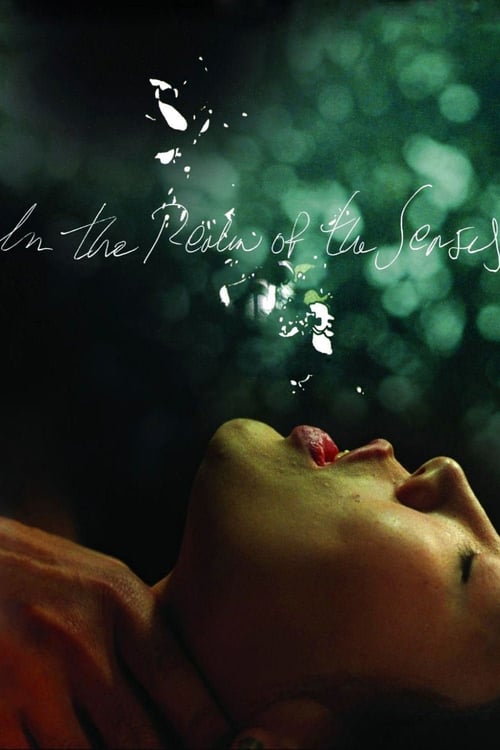
In the Realm of the Senses8.0May 26
One of the most influential of art-house works, Oshima's sexy classic is intimate, painful but ultimately flawed. Essentially a comment on the repression of contemporary Japanese society filtered through the lens of the militaristic rule of the 1930s, we see how sex and death are inextricably linked in the best and worst ways. Thrills and excitement, the line between this world and the next; all are drawn carefully and deliberately. The oft-discussed explicitness is honestly only occasionally eyebrow-raising (that wild egg scene later referenced in John Cameron Mitchell's wonderful SHORTBUS); the real focus of the film appears via the masterful close-ups of the joyful, stimulated faces of its leads, who fucking go for it in as many ways as possible. Great on Oshima to make this film; it's still trailblazing in all its full-frontal, erect, wet glory. I'm knocking a point off for the pointless child nudity, which while not sexual was by far the most uncomfortable part of the film.
Siesta8.0May 26
Terrific, over-the-fucking-top late 80s proto-Skinemax erotic thriller really delivers on the thrills and the erotic shit. In this reviewer's opinion, Ellen Barkin was one of the sexiest of her era, and between this and THE BIG EASY, she was having quite the time of her life when it comes to on-screen nudity. While the presence of Gabriel Byrne and Julian Sands brings down the movie somewhat (two of the worst actors of all time), we in turn get questionably-British-accented Jodie Foster coming through for an awesome heat check, the phe-fucking-nominal Miles Davis score, and some cool, ultra-stylish direction from Mary Lambert. This movie has it all for the T&A fans, of which I count myself a card-carrying member. Great fucking 80s trashy fun right here!
Drive8.0May 26
Wasteman5.0May 26
Claustrophobic prison flick with not enough exploitation and too much self-consciously serious actorly acting by Blyth and Jonsson, WASTEMAN's best quality is its compositional choices. Shifting aspect ratios signify perspective shifts, deep focus close-ups in the tight cells, carefully obscuring acts of brutal violence -- everything succeeds on a visual level. From a writing perspective, here we are shown the issues plaguing the work; characters are very stereotypical and surface of skin, a rather predictable plot doesn't interrogate racial issues and the class divisions inherent behind the walls of prisons are untouched. In this genre, it's no CELL 211 and rather uninspiring. I didn't care for the needle drops, either.