Skip to content


Recent activity
The Drama8.0April 12
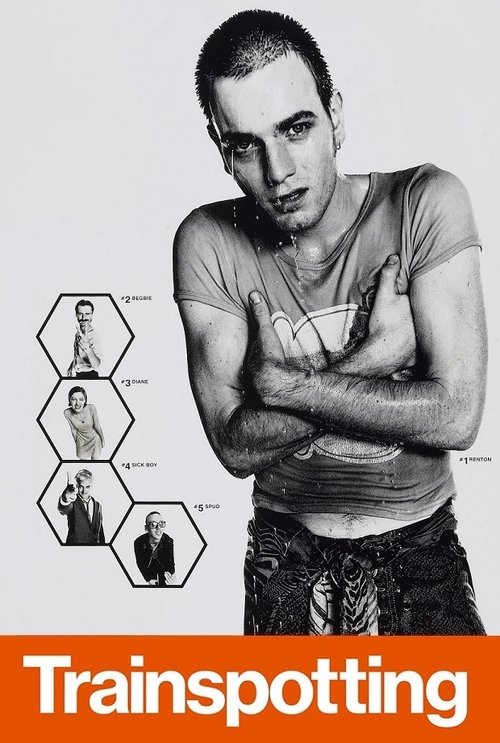
Trainspotting10.0April 11
Heroin, derived from morphine, delivers the body a powerful rush of euphoria that is followed by sedation. Once in the brain, it converts to morphine and bins to your opioid receptors, boosting dopamine release. This is rewiring the brain's reward system, causing a psychological toll. Users of heroin often experience a cycle of craving, use, and withdrawal, making recovery extremely difficult. *Trainspotting* captures this reality through Rentons struggle with addiction, portraying the high and the devastating aftermath it causes. He describes heroin as “The best orgasm you've ever had, multiplied by a thousand,” illustrating the euphoric appeals. This initial high, however, fades, leaving users trapped in a cycle of dependence. This “rush” is shown in the film when Renton and his friends inject heroin, escaping their lives in Edinburgh. However this escape comes at a cost, one of the most devastating moments in the film is the death of baby Dawn, the child of two parents addicted to heroin. They fail to take care of their baby while their addiction consumes them, which causes them to fail to notice the baby's worsening condition before it's too late. The scene is chilling because it not only shows how heroin destroys the user, but also others around them. The death of baby Dawn represents the cost of addiction, but our protagonist, Renton uses the loss as yet another excuse to escape, highlighting the relentless cycle of dependency. By understanding these effects and the struggles of those who have been impacted, society can better address substance abuse and recovery efforts.* **Choose life. ***
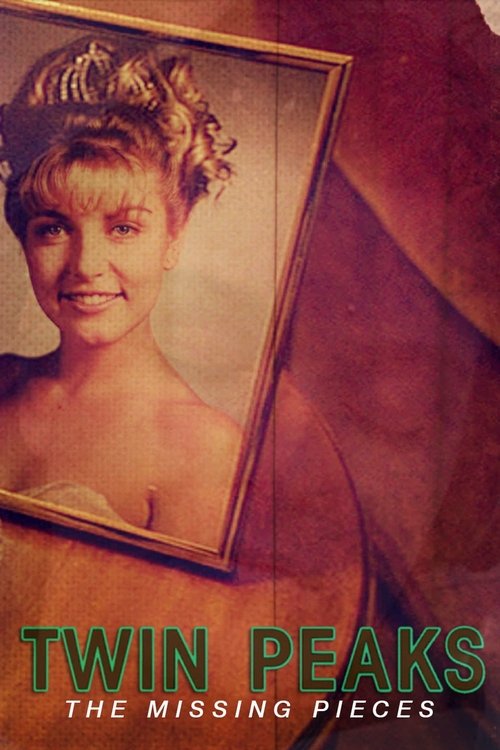
Twin Peaks: The Missing Pieces10.0February 27
Twin Peaks: Fire Walk with Me10.0February 26