Skip to content
Recent activity
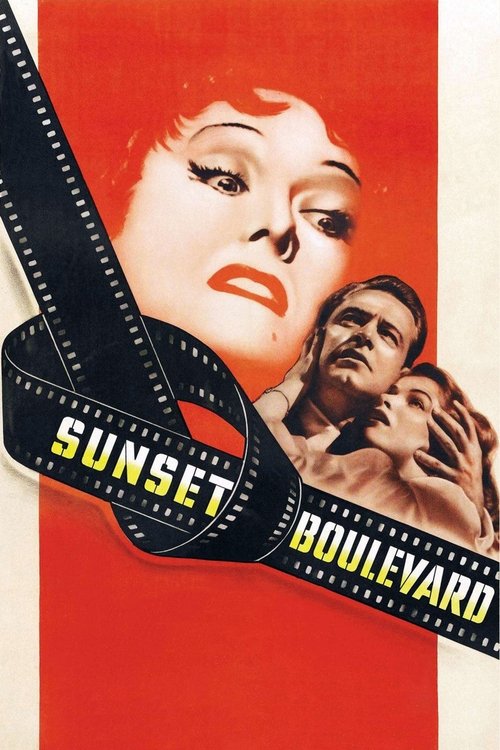
Sunset Boulevard8.0August 23
A gorgeous film about the price of comfort and the point at which accepting it becomes consenting to your own captivity. My only major reservation is the opening. Showing Joe dead in the pool immediately trades away too much uncertainty. Keep his narration, let the story unfold without knowing his fate, and reveal his death at the end—the realization that he has been narrating from beyond the grave all along would have made an already great ending substantially more powerful. Still, there is very little to complain about here. The mansion alone is one of the great spaces in cinema, and Norma Desmond is monumental.
The Face of Another8.0August 18
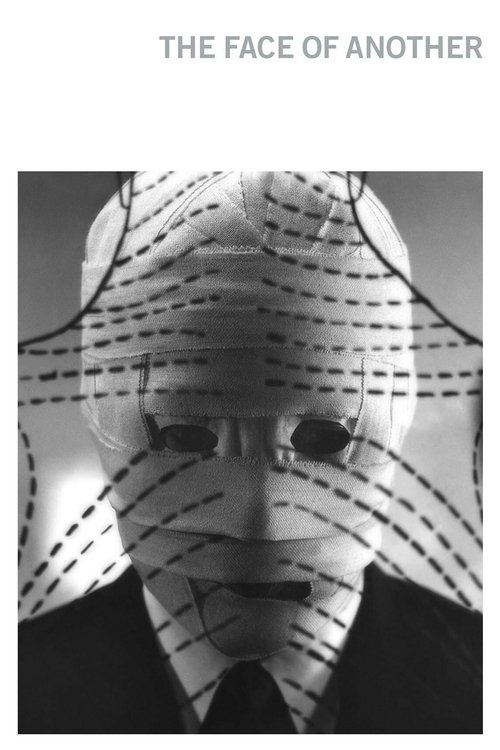
A fascinating exploration of identity that occasionally seems more interested in discussing its ideas than actually exploiting them. There are dramatic opportunities here that feel almost impossible to miss, particularly once Okuyama begins using the mask to approach his wife. The potential for suspense, recognition and uncertainty is enormous, yet much of that progression is strangely compressed. The doctor also feels underdeveloped; for someone participating in such a radical experiment, he requires remarkably little convincing before becoming completely invested in it. It also runs slightly longer than the material earns. Yet when Teshigahara trusts the image, the film is terrific. The mask itself is remarkably convincing, the clinic sequences are beautifully constructed, and the cinematography constantly fragments faces and bodies in ways that complement the film’s obsession with identity. Most interestingly, we are never given a stable version of Okuyama to measure his transformation against. The man before the accident, the bandaged man and the masked man effectively bleed into one another until the idea of an original identity becomes increasingly difficult to locate. And that ending is fantastic. After spending the entire film examining one man whose face no longer reliably signifies who he is, Teshigahara sends him into a crowd where nobody has a distinguishable face at all. Terrific, frustrating, and much smarter than some of its dramatic shortcuts initially suggest.
Godzilla7.0August 16
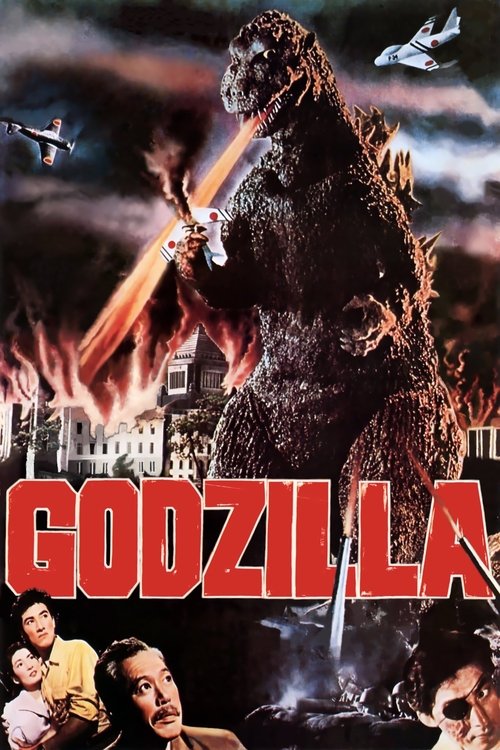
Impressive, especially for its time. For a film that clearly understands scale and the possibilities of practical effects, it makes some strange decisions about how much of Godzilla itself to reveal. The creature is far more effective obscured by darkness, smoke and the scale of Tokyo than when the filmmaking allows us to inspect the suit too closely. What really elevates the film is its final act. Godzilla is not the horror humanity creates, but the horror its appetite for increasingly destructive power awakens. When faced with the consequences, humanity’s answer is naturally to create something even more destructive. Serizawa understands exactly where that cycle leads. Godzilla can be killed. The impulse that awakened it cannot.
Lost Highway10.0August 11
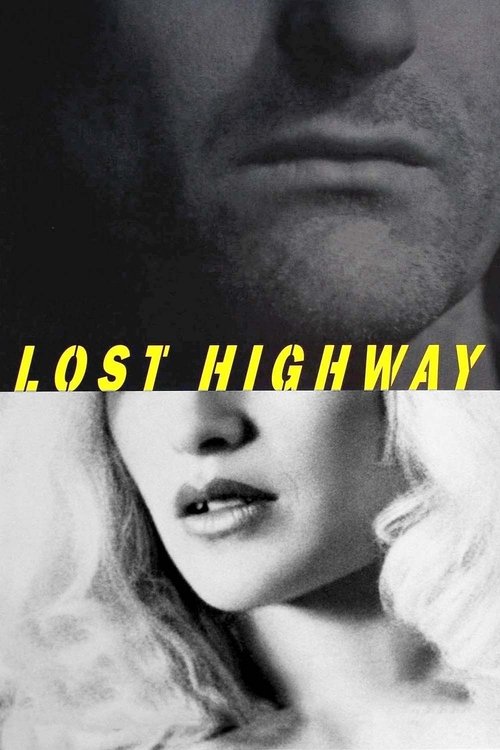
Lost Highway feels like several of David Lynch’s obsessions colliding at once: fractured identity, sexual jealousy, doubles, memory, violence and the possibility that reality itself might be considerably less stable than we assume. The first half plays almost like psychological horror. Fred Madison exists in darkness, silence and paranoia, trapped in a marriage with a woman he cannot completely understand and increasingly invaded by videotapes that seem to know more about his life than he does. Then Fred disappears and the film transforms with him. Pete Dayton is younger, desirable, capable and everything Fred seemingly isn’t. Renée becomes Alice: no longer distant and uninterested, but passionate, dangerous and intensely sexual. Even the genre changes. Psychological horror becomes noir—cars, gangsters, illicit sex, murder and the femme fatale. Fred hasn’t simply escaped into another identity; he seems to have escaped into a better film for himself. But the same anxieties eventually find him there. The one constant is the Mystery Man, possibly one of my favourite supporting characters I’ve ever seen. Chalk-white skin, no eyebrows, an expression that is simultaneously amused and completely unreadable. He is physical enough to interact with the world yet seemingly unconcerned with its rules. In a film where people, identities and even genres can transform, he remains exactly the same. Whatever he is, he seems to know where this road leads. And that road eventually folds back onto itself. What makes all of this work is that Lynch never allows ambiguity to become an excuse for carelessness. I don’t know exactly what happened. I don’t know exactly what the Mystery Man is. I don’t know where objective reality ends and Fred’s reconstruction of it begins. But there is enough structure underneath the confusion that every unanswered question feels worth returning to rather than simply unanswered. It feels like Persona, Eraserhead and Twin Peaks were put through a psychotic episode, injected with noir, sexuality and industrial dread, then sent driving through Los Angeles in the middle of the night. I need to watch it again. Probably several times.