Skip to content





Pearl
@ibetonlosingdogs
*Great cinema mirrors the human experience *17 | [serializd](https://srlzd.com/u/ibetonlosingdogss) ⊹ ࣪ ﹏𓊝﹏𓂁﹏⊹ ࣪ ˖ ** How I Rate Films **☆☆☆☆☆ **Beyond**(Craft can stop at four/four n half Impact decides the five) ☆☆☆☆½ **Major masterpiece** (Perfect in execution—the half point missing is purely personal) ☆☆☆☆ **Minor Masterpiece **(Not flawless—but one or few elements elevate everything else. **☆☆☆**½** Great **(Easy to recommend) **☆☆☆ Good **(Worth discussing, but more for what it could’ve been than what it is) **☆☆**½ **Mid **( Not something I’d actively recommend unless it’s part of a major franchise or you just want an easy watch) **☆☆ Bad **—beyond this is disbelief **Member since 2025**
Recent activity
Iron Man 35.0July 29
Captain America: The Winter Soldier7.0July 29
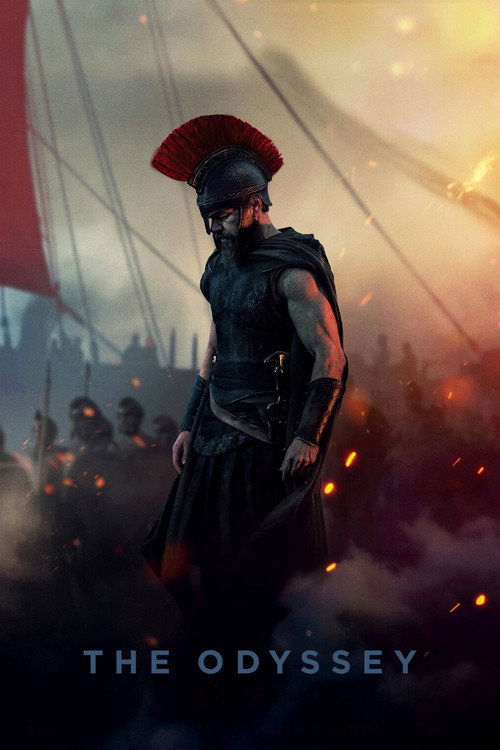
The Odyssey9.0July 23
**⊱ ۫ ׅ Nolan changed Homer and I didn't hate it ˎˊ˗** ⊹ ࣪ ﹏𓊝﹏𓂁﹏⊹ ࣪ ˖ The Odyssey (2026) is a one-of-a-kind story told through the lens of a genius who persuades us to follow Odysseus, a man set on defying convention, through a film that defies the conventions of storytelling itself. The film's boldest and most controversial choice is the abandonment of Homer's heroic ethos. Where Homer primarily chronicles Odysseus's journey home, Nolan turns inward, using that journey to explore the burden of regret and the psychological cost of heroism. A trait that would either make it one of the best films you have ever seen or not. And as for me it worked. Odysseus's journey back home after the war revolves around two major themes here: defiance and disguise. **Defiance**, first and foremost, is directed against an otherworldly force—the gods. Interestingly, they are never actually revealed in the film, a choice I found deeply respectful. By keeping them unseen, Nolan presents a message that feels universal rather than tied to a specific religious interpretation. Their presence is constantly felt, but it never overpowers the intensity of the journey itself—the storms, the trials, or the obstacles Odysseus must face. In many ways, this is a tale of single-minded men. Odysseus sets out determined to defy fate, while his crew, despite marching inevitably toward it, remain in denial of it. That contrast fascinated me. Odysseus consciously struggles against what seems preordained, whereas his men resist their fate only by refusing to acknowledge it. Both are acts of defiance, but one is deliberate, while the other is born out of denial. Two of the monsters do have an on-screen presence in the film: Polyphemus, the Cyclops (son of Poseidon) and Circe. This naturally brings me to the film's second major theme: **disguise**. I have to give special mention to Circe. Her presence ties beautifully into the idea of disguise and the many layers the film gives it. It's a brilliant use of something that has always existed beneath the story—the undercurrent of patriarchy, superiority, and the rigid social roles that govern its world. There's also the recurring belief that gods may walk among men in disguise, which makes one line especially resonant: > *"Don't look for gods in men; you'll always be disappointed."* Circe's sequence is where all of these ideas come together. It's a scene that goes far beyond technical brilliance. It's haunting, mesmerizing, and emotionally unsettling in a way that lingers long after it's over. I won't spoil it, but it's easily one of the film's most unforgettable moments. Finally, by taking fragments of the trojan war, the film defaces the façade of glory in war to offer a more humanitarian perspective. A trick seen so worthy of praise and victory is by the end revealed to have broken the very zeus law that is strived for to be kept throughout the film. Here, another instance of disguise that we can look at is Athena herself. As I've said, the gods aren't directly revealed in this film—well, they aren't until it is ultimately revealed that Athena, in this humanized interpretation of the myth, appears in the form of a young Trojan priestess whom Odysseus witnessed being executed during the fall of Troy, a moment of pure vulnerability and regret for the inevitable loss caused in violation of what was most sacred— human bonds. Technically, the film is nothing short of a masterpiece. It is crafted with the utmost brilliance, capturing the depth, dimension, grandiosity, and sheer scale of this legendary tale, while presenting it in a way that gradually unveils its own grandeur to reveal a deeply human core. It never rushes its ideas; instead, it allows every action and its consequences to settle before revealing the larger picture. The camerawork deserves special mention. The sea storm sequences are particularly breathtaking, capturing the intensity and instability of the journey with remarkable precision. You can genuinely feel the overwhelming force of the sea and the desperation of those caught within it. The writing itself is done to near perfection, save for a few sloppy lines. It is poetic yet remarkably accessible, never sacrificing emotion for complexity. The sound design is equally phenomenal, and the score is simply impeccable. I think it's only fair to mention *The Song of the Sirens *here — > *"It told you what you most want is what you most can't have and that the most you can't have is what you already had and lost."* Beyond almost anything we've seen in recent years. And whoever tells you otherwise, don't believe them. Watch this film in IMAX and decide for yourself. It is absolutely worth it!
Alice in the Cities8.0July 15
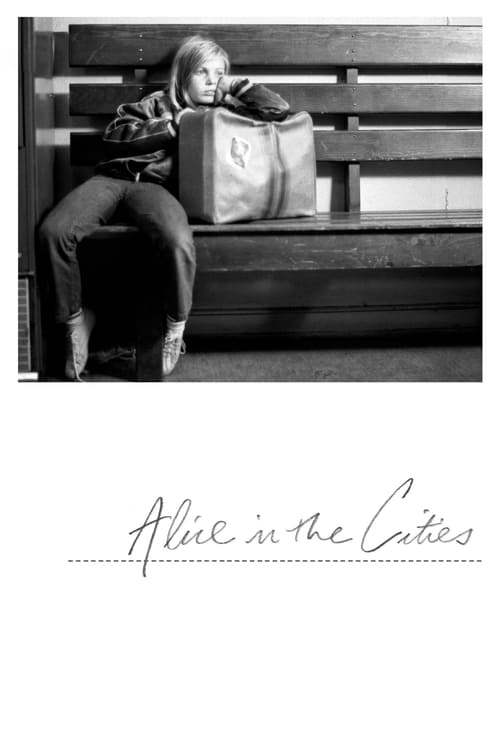
Sometimes I'm unsure whether every film is supposed to have a single central message. More often than not, I just find myself appreciating that stories like Alice in the Cities exist. As the story progresses and the journey to find Alice's grandmother unfolds, I realized that everything beautiful about it—the quiet companionship, Alice's innocence, Philipp Winter's growing sense of responsibility, and the peace that surrounds their journey. But I can’t help but think that any of it would have never have happened if Alice's mother had simply cared enough not to leave her child behind. I'm sure the mother had her own struggles; the film never reveals them, and I think that is intentional. But I still couldn't shake the thought that leaving your child with someone you had only known for a day was never okay. Yes, he turned out to be trustworthy, but what if he hadn't been? That possibility stayed with me throughout the film. This may seem only loosely connected to the story, but I think Alice in the Cities wants that uncertainty to remain. It doesn't hide it. Instead, it chooses to show that even in a situation born out of irresponsibility, genuine human goodness can still emerge. One thing I especially appreciated was that the film never hides natural human emotions. Philipp Winter doesn't have much money, is hesitant to take on the responsibility, and even after he does, there are moments when he becomes frustrated and irritated. The film doesn't pretend that caring for a child means being endlessly patient or gentle. If anything, those moments make his care feel more genuine. Having responsibility also means feeling its weight at times, and the film never shies away from that. But none of it takes away from the fact that he cares. He cared enough to stay with Alice, to help her, and to keep searching for her grandmother. In the end, he showed her more care than her own mother did. By the end, what stayed with me wasn't a grand message, but the quiet beauty of watching two strangers find comfort in each other's company. Sometimes, that's more than enough.