Skip to content

Recent activity
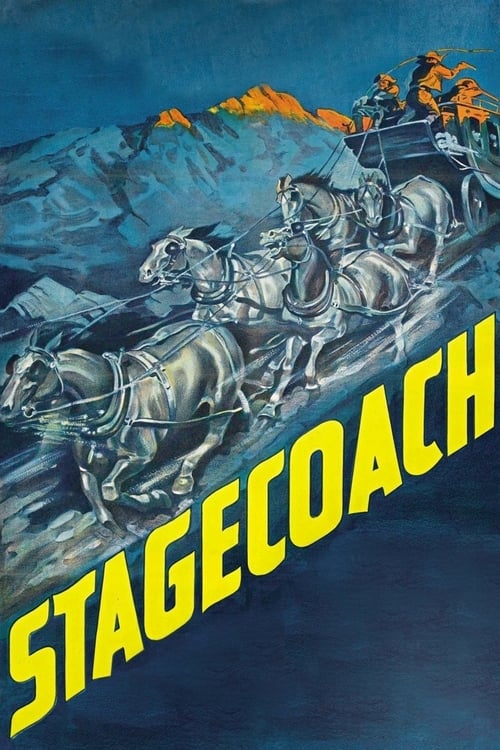
Stagecoach7.0July 25
One of the seminal films in American history. It is the film that kickstarted the Western craze that permeated the Golden Era of Hollywood. I quite enjoyed it. I wasn't expecting it to be as much of an ensemble piece as it ended up being, but I quite liked that aspect of it. The characters are all interesting and unique in their own ways (though I'll be honest, John Wayne's character was kind of dull, I found Claire Trevor, John Carradine, and Thomas Mitchell's characters to be much more entertaining, but that is just me. I guess I expected too much. The film did kind of get into a lull in the middle portion of the film, but the last 40 minutes make up for it big time. Just so entertaining. I can't quite claim this as some masterpiece, but it is undeniably a great and influential film.
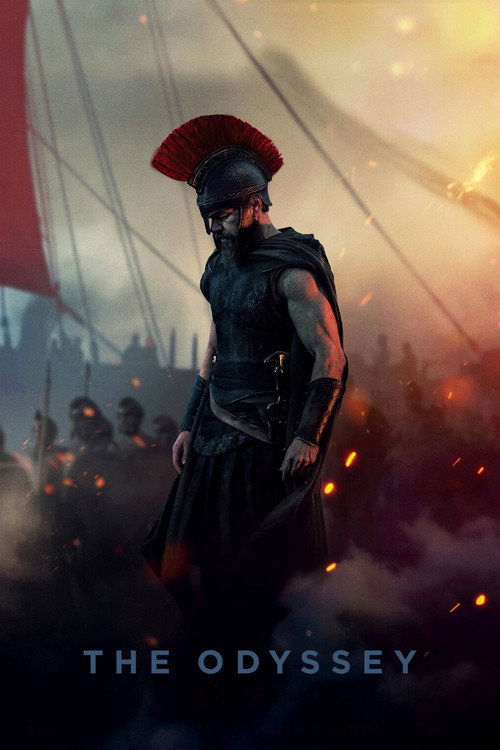
The Odyssey9.0July 23
I don't think I've ever seen an IMAX theatre so packed than when I went in to see this, it definitely made this feel like an experience unlike any other. To be honest, experience is absolutely the best word to describe Christopher Nolan's filmography as he seems to relish in the spectacle of it all (which is a good thing). It is pretty clear that Nolan is a master of his craft, and he seemingly (from what I've seen of his filmography, which isn't everything) is unable to miss, this film is no exception. I was initially a little concerned I wasn't going to connect with this film as there is SOOO much exposition in the first 20 minutes or so. The film was immediately engaging, but I was so worried that I'd miss an important detail. Thankfully the film relaxes after that, and the rest of the film is just so entertaining, and it never lets up. I really enjoyed Matt Damon in this, I really got the feeling of a man so burdened by the never-ending struggles he faces in returning home, but I also felt the resilience and determination of his quest coming through as well. To be fair, all the performances were exemplary, and there's much more I can add in that regard. One small issue I had was at times the audio was a little hard to understand (idk if this is just a me problem, but I definitely struggled to understand the odd line), but this is just a nitpick. Overall, it is another great film from Nolan.
I Am Cuba9.0July 21
I wanted something special for my 1000th film logged on Letterboxd, and a film like this with it's scope seemed like a perfect fit, and I was right. There's just so much to get into with this film, each of the four stories offer so much to talk about that made the movie feel longer than it was (in a good way, this movie was highly enjoyable). I suppose I should mention the cinematography first. This film looks so unique with its extreme wide-angle lenses, and it makes the film feel that much bigger in scope, and really makes Cuba feel larger than life, and ultimately something that is really special. This feeling of scope is conveyed wonderfully to us is in the opening shot of the first story. The camera starts by travelling across the top floor of a resort before travelling down (genuinely I think Sergey Urusevsky was just flexing his skills on us here) to another level where even more people are, and then going underwater. It seems as though the camera (and by extension the film itself) is building up the larger than life myth of luxury Cuba held by many of the wealthy tourists we will see later. It buys into the idea that it is a place of luxury before the rest of the first story begins to tear each and every bit of that down. When one man follows Maria to her house, we don't see glamour, we see people living in poverty whilst these businessmen live in luxury. It shows us that the reality for Cubans is not the reality that tourists/businessmen see. This is particularly poignant considering the state Cuba is in nowadays due to the sanctions. The use of a wide angle lense is not only used to demonstrate luxury, it also showcases the great importance of those who actually live in Cuba. The second story with the farmer and his children demonstrates this wonderfully. This story goes to great lengths to showcase the importance of the work he does which makes it all the more tragic when the businessman sells away all of his land. The joy he has in his work, combined with the joy his children have, even when they have so little makes this story incredibly powerful. It leads through to a cathartic end. This is similar in the third story, again with the lense conveying the scope of the burgeoning revolution from the students, and also with the fourth story showcasing revolutionary soldiers as they eventually succeed. The film is incredibly powerful, and although I cannot claim to be super knowledgeable on Cuban history (I mean, read the stuff I read before), it is hard not to feel the feelings that I suspect many Cubans had felt in the late 50s and before. Great film.
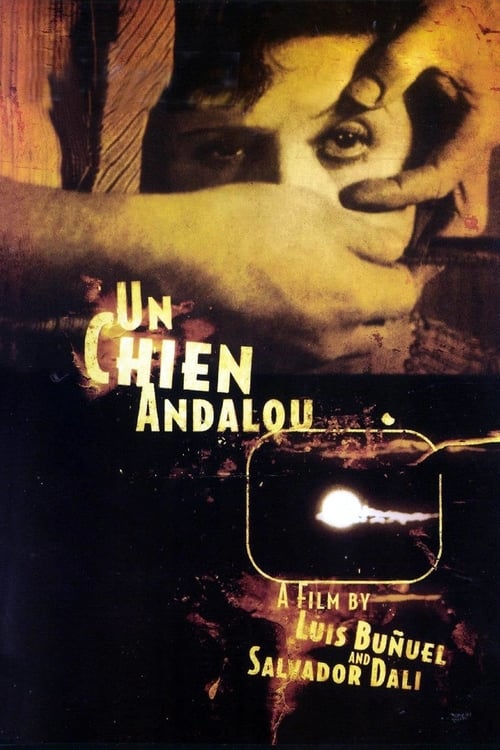
Un Chien Andalou8.0July 19
I'm actually surprised I'd never seen this before, but here we are. I mean, how do I really talk about this? I guess it sort of feels like a compilation of nightmares (though I'll be real, if these are the dreams you are having, I am a little concerned by you). I know it isn't that kind of movie, but you never really know what the hell is going to happen next. It also looks really good and blew me away quite a few times, obviously there is the iconic eye slitting scene, but the rest is pretty good too. There's not much more to say, it's an important part of film history, go watch it.