The Witch
Psychological horror and pure existential dread.
this film is not the usual horror movie filled with jumpscares or masked killers hunting victims.
Rather it explores the pure terror and dread when faith and love is bend and twisted when faced with fear and paranoia. And it is that very fear and paranoia that the family carries that instills the fear within us, the witch does not show itself for almost the whole film, yet they feel, and they fear.
As the witch's curse gets stronger and their fear rises, we witness the family fall apart slowly, consumed by dread and fear—that even their faith and prayers can no longer bring comfort. And that is the horror of it, when one is so consumed by fear that even their source of comfort can no longer work, it breaks them in all ways.
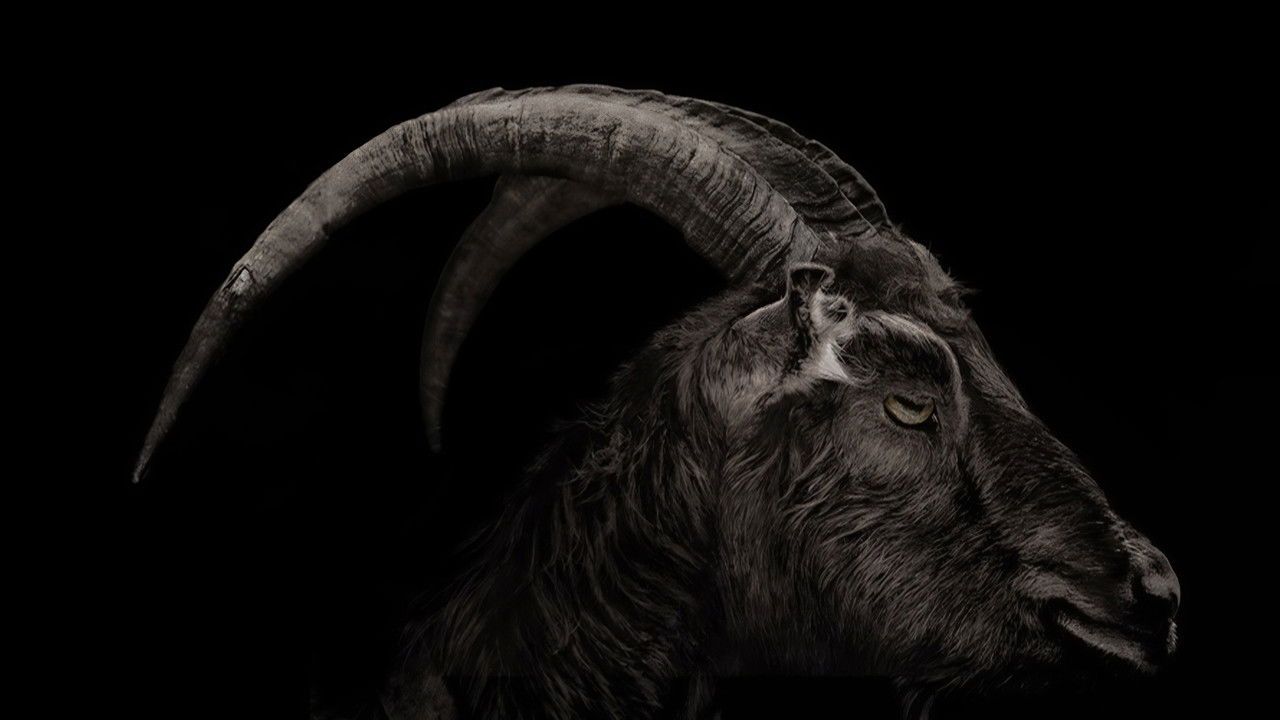
And with all this fear and paranoia the family has to put something to blame, something must be evil, vile and immoral to be causing all that damnation. They blame the witch, black Philip and most importantly they blame Thomasin.
With religion, good cannot exist without evil and vice versa. And so when struck with fear or doubt these people find something to put their blame and label as evil.
Does thou wish to live deliciously
Thomasin came with the devil not because she seeked darkness and evil. But because she seeked an escape—escape from the world that restricted her of her own autonomy and pleasures. Striped her of her identity where she's only seen as property to be sold to other families, be married, bare children and live as their god intended. That is why the devil's offer isn't for wealth or power—rather its freedom, and autonomy.
The devil's offer wasn't a temptation it was freedom.