Skip to content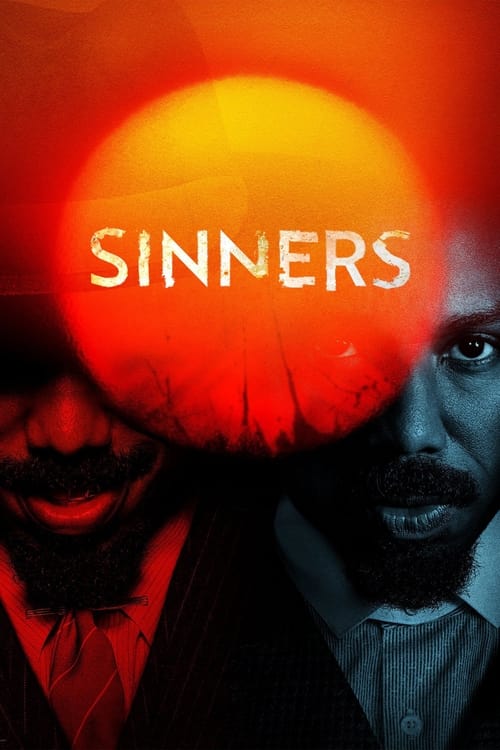

Recent activity
Sinners9.8July 5, 2025
In the deep hush of Mississippi dusk, where cypress trees whisper psalms of old,faith is a flicker in a bottle of dust, and the devil waits in every fold.A juke joint swells with blood and brass, a pulpit of rhythm, sweat, and soul, where pride bleeds blues on resonator glassand catfish fry in a cast-iron bowl.Dice tumble like bones cast in shame, cards flick like secrets too bold to confess.Trap beats throb like a modern-day chain, bound to the gospel of lust and finesse.Here, fiddles cry with Irish ache, while bodies sway in African trance-a holy collision, a backwood quake, of tambourine hips and shotgun dance.The music doesn't play-it possesses.It baptizes with every note and flame, a sanctified sin, dressed in Sunday best, where saints and hustlers wear the same name. Blood money glints in the preacher's hat, a wink of gold in a sermon's lie.Yet still they sing, still they clap, as if song might teach them how to fly.The dance scene-oh, it split time in two.One foot in chains, one foot in dream.Past met present in a whiskey-blue hue, and it felt like floating downstream.A film not watched, but felt in the bones,"Sinners" is a prayer with no amen.It dares to dance where the holy won't goin the heat, in the haze, in the sin of men.
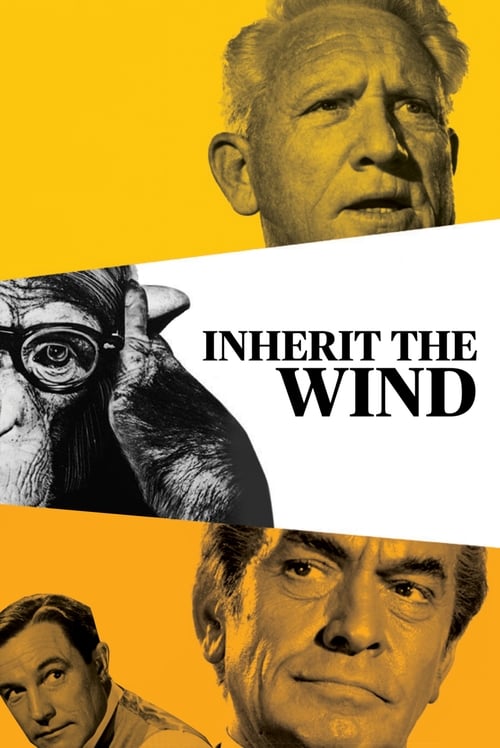
Inherit the Wind9.1July 5, 2025
The film echoes the spirit of the Pharisees from the New Testament-those who upheld the letter of the law while often ignoring its heart. Reverend Brown, a central figure in the film, invokes God's wrath upon his own daughter for showing sympathy to the defendant, reflecting religious extremism that prioritizes doctrine over compassion. His behavior mirrors that of the Pharisees Jesus rebuked-using religion as a tool of control rather than a path to truth and mercy.Brady, the prosecuting attorney, becomes a symbolic Pharisee himself--more concerned with defending orthodoxy and his own pride than with seeking true justice. His downfall is not due to a lack of intelligence, but because he idolizes certainty, refusing to allow for the mystery or the messiness of human inquiry. The town in Inherit the Wind is swept up in a singular brand of literalist Christianity.Other perspectives-whether Catholic, liberal Protestant, or even agnostic-are demonized or shut out. The film critiques how denominational conflict and doctrinal rigidity can fracture the Christian message of love and humility.The townspeople don't just argue against science--they argue against anyone who thinks differently. This reflects how intra-Christian hostility can sometimes do more harm than opposition from outside faith. One of the film's quiet triumphs is its affirmation of free will. The defense attorney Henry Drummond (inspired by Clarence Darrow) is not painted as an atheist villain, but rather as a man deeply committed to the idea that God gave humans minds to think. He suggests that true faith does not require the rejection of reason, and that faith and doubt can coexist-a radical but deeply humane theology.The film thus supports the idea that God allows-and even expects-humanity to wrestle with truth, to question, to evolve.Blind obedience is not the highest virtue; honest inquiry is. It's a portrait of a God who would rather see us struggle toward understanding than remain shackled by fear. Though set in the 1920s and made in the 1960s, Inherit the Wind feels hauntingly current. In an age where religious identity is still politicized and science is often met with suspicion, the film reminds us of the importance of protecting intellectual freedom. It warns us about the conflation of religious certainty with moral righteousness, and how easily that can slip into bigotry and persecution.Its dialogue, courtroom drama, and emotional tension speak across decades, revealing how human nature--particularly in the realms of fear, pride, and belief-hasn't changed all that much. Inherit the Wind is not anti-religious; it's anti-fanaticism. It's not against faith; it's against the weaponization of faith. In showing how rigid dogma can become oppressive, and how the thirst for truth is a sacred endeavor, it remains one of the most powerful films to challenge religious intolerance and intellectual suppression.It's a call to humility, dialogue, and the belief that truth is not threatened by questions-but revealed by them.
The Mission9.8July 4, 2025
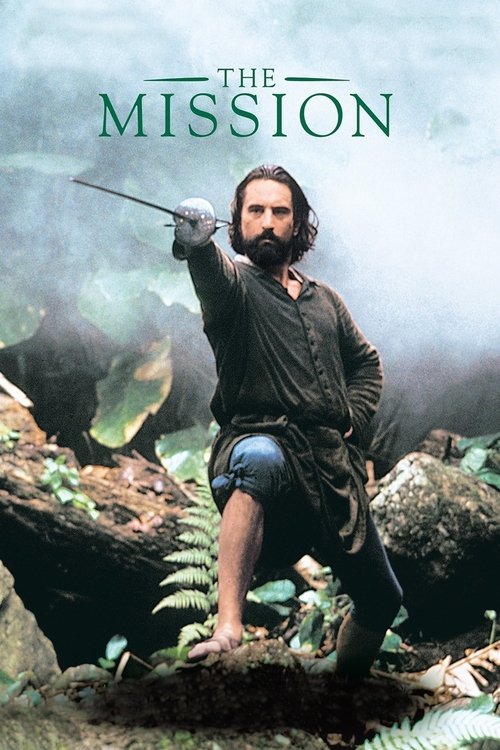
The Mission explores Christian redemption explicitly, with Mendoza's transformation from killer to protector. The Jesuits represent a faith-driven, peaceful mission, aiming to uplift the Guarani through music, education, and sanctuary. This exposes the tension between spiritual ideals and institutional religion, revealing how power can corrupt even the most righteous intentions. The Mission focuses on resisting colonial exploitation and fighting for the rights of Indigenous people. The Guarani people are not passive victims; they are portrayed with dignity, intelligence, and spirituality. Their use of music, community, and even armed resistance shows resilience and cultural strength.The Mission critiques colonialism not just for its brutality, but for its moral hypocrisy-enslaving people in the name of civilization and Christianity. It also gives space to Indigenous resistance, emphasizing that they were not voiceless, even if they were overpowered. Ennio Morricone's score (especially "Gabriel's Oboe") is integral to the film's emotional and symbolic depth. Music becomes a form of spiritual connection, a bridge between cultures, and a weapon of peace. Music here represents transcendence-a universal language that carries grace, beauty, and human connection beyond the reach of words or violence. It's one of the few elements that the colonizers cannot fully destroy. A transcendent film for all the ages.
Born on the Fourth of July8.8July 4, 2025
One of the most powerful portrayals of ptsd on film. Tom Cruise's performance is arguably one of his most vulnerable and powerful, as he portrays Ron from an idealistic teenager to a bitter, broken man, and finally to a conscious activist. Watched on the 4th of course.