Skip to content



Recent activity
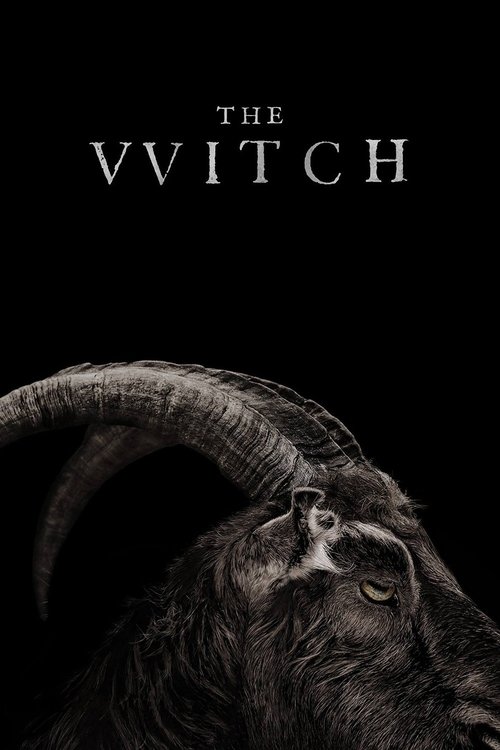
The Witch7.0June 19
*The horror of this film is not the witch lurking in the wilderness. The true horror is **the family itself**. * *In our society, we often create scapegoats. People search for someone to blame rather than confronting uncertainty. Fear often demands an explanation, **even when no evidence exists.** Throughout the film, Thomasin becomes the vessel for her family’s anxieties. Failed crops, disappearing children, religious doubt, poverty, and **grief are all projected onto her**. She is condemned not because she is guilty,…*
The Housemaid2.0June 18
*One of my biggest issues with **The Housemaid** is how many questionable decisions the characters make throughout the story. There were so many scenes that I found myself skipping because they felt unnecessary. Even the soundtrack choices. For example, using "Cinnamon Girl" by Lana Del Rey during certain scene that tried to create a sense of romance, but it didn't work for me at all.* *If I put myself in Millie's position, I wouldn't see her interactions with her employer's…*
Companion6.0June 17
*What I dislike about Companion is its prioritization of a **sentient AI** over real **human beings**. Humans possess genuine consciousness, experiences, and emotions, whereas the fembot's "**consciousness**" is artificially constructed from information gathered from the internet. I think a stronger feminist film would focus on actual women and their lived experiences rather than relying on the fantasy of a female AI becoming a "**girl boss**."* *There is also an issue with some of the dialogue. The comedic moment where she…*
Wonderland3.0June 16
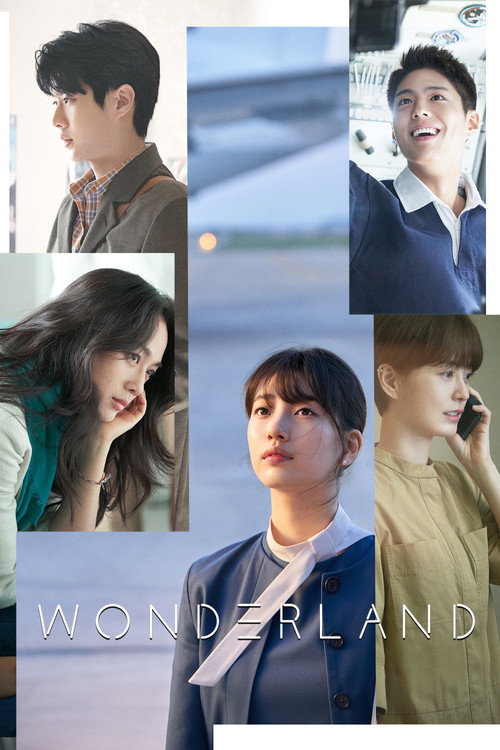
*This review may contain spoilers.* This movie lacks depth and misses the opportunity to explore how humans often develop unhealthy coping mechanisms when dealing with grief and loss.Many religions offer the concept of an afterlife as a source of comfort and peace of mind. While this can help people cope, it can also make it difficult for some to fully accept the reality of letting go. We create optimistic narratives to distract ourselves from painful emotions because sadness, grief, and despair are often viewed as negative experiences. Yet, these emotions are natural. It is normal to weep for the people we love.Our resistance to grief is closely tied to our discomfort with impermanence. We struggle to accept that everything eventually changes or comes to an end. As a result, we become anxious about death—both our own and the deaths of those we care about. The film presents an interesting premise about grief and loss, but it fails to develop these themes with the depth they deserve. The narrative feels underdeveloped, and several plot holes weaken its impact. In Tae-Ji's story, there are many questionable choices made by his girlfriend while she spends time with a virtual version of him during his coma. However, one aspect I appreciated was her decision to remain by his side despite the cognitive a changes he experiences. To me, that reflects a deeper understanding of love. Genuine love persists through both good and difficult times. Even when the person we once knew has changed, we learn to accept those changes because we love them as they are, not merely for the qualities they acquire.Modern relationships often become centered around expectations—what our partners should do for us, how they should behave, and how they should meet our emotional needs. This can make it difficult to accept the reality that human beings are imperfect. Ironically, the AI version of Tae-Ji can remember every detail about her, while the real Tae-Ji cannot. The contrast highlights why artificial companions can seem appealing. Like character AI chatbots, they are designed to validate us, agree with us, and provide a sense of consistency that real people simply cannot offer. Bai Li's storyline is perhaps the most thought-provoking. She dies before having the chance to watch her daughter grow up. In response, her mother creates a virtual version of Bai Li to fill that absence. Her intention is understandable: she fears her granddaughter will grow up without a mother's love and support. Yet this solution introduces a troubling consequence.Because Jia can continue interacting with a digital version of her mother, she may never fully experience the reality of loss. One detail that stood out to me was her lack of visible grief after learning that her mother had died. She does not seem to mourn because, in her mind, her mother is still present. However, she is not truly communicating with her mother; she is interacting with a simulation built from memories and data. The distinction is important. Grief is painful, but it is also a necessary process that helps us acknowledge reality and eventually move forward.