Skip to content

Recent activity
The Darjeeling Limited6.5July 27, 2025
A Real Pain8.0July 25, 2025
All of Us Strangers8.0July 23, 2025
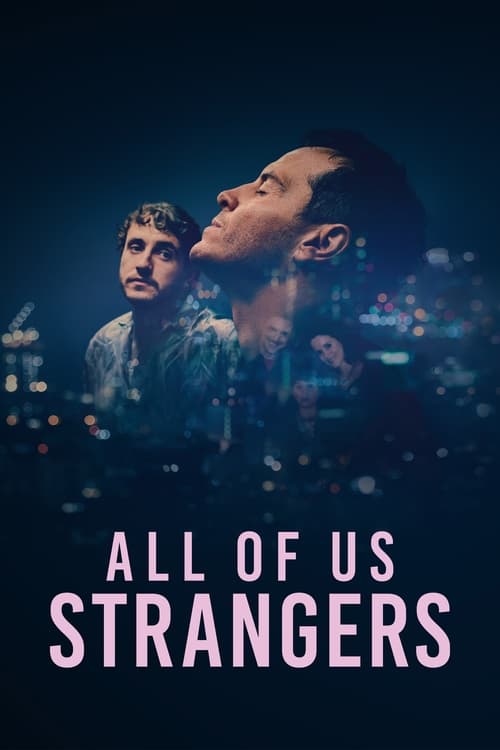
1. ESSAY All of Us Stranger is a ghost story, highlighting the unshakable dread of no closure especially in regards to the queer experience. Andrew Scott’s Adam has deep conversations with his dead parents because he wants to find peace in his relationship with them. He has so much to say to them, and there are moments that he couldn’t have with them, and he can’t ignore how harrowing it is to not be able to talk to them. In many ways, this is a post-life sort of film. This isn’t the beginning of a story; this is the eternal afterlife. There isn’t anything else to these characters because they are no longer on earth; instead they linger in the earth. Paul Mescal’s Harry is dead from the start because he cannot overcome the insurmountable loneliness of his life. Interestingly, he says: Do I scare ya? We don’t have to do anything if I’m not your type… There’s vampires in my door. — Paul Mescal’s Harry On one hand, this is a cute reference to “The Power of Love,” which in its own right is Harry’s cry for help. Moments after this, Harry would rot and die in his apartment, but in this scene he is practically begging Adam to keep him company even if they do nothing. On the other hand, Harry breathes life into a relevant concept to this ghost story with greater complexity. A vampire’s soul is trapped on earth because they cannot find peace. Usually, they are cursed with vampirism; thus, they feel shame for their curse. Vampirism and queer identity isn’t unique, but Harry’s explicit mention of it adds the cursed aspect of both Adam and Harry’s predicament. It is likely that Adam and Harry may die but their souls will be trapped in the mortal plane because they are cursed; however, the end proves love can free the soul; thus, Adam and Harry are freed from an eternity of misery. 2. AFTERWORDWhile this is a fascinating story, I found it mostly a bore. This isn’t to discredit the acting or director, but the plot is mostly boring, and I cannot help the thought something less “twisty” was added. The twist of Harry being dead all along is just annoying to me. I’ll admit that it is significant, but it didn’t have to treated like a climatic twist. Additionally—I know this is sick and twisted—I didn’t cry during any of this. I only felt sadness in reviewing the following clip in retrospect, but I’m not overly moved as others suggest. It is incredibly likely this is just me.
Daisies8.1July 23, 2025
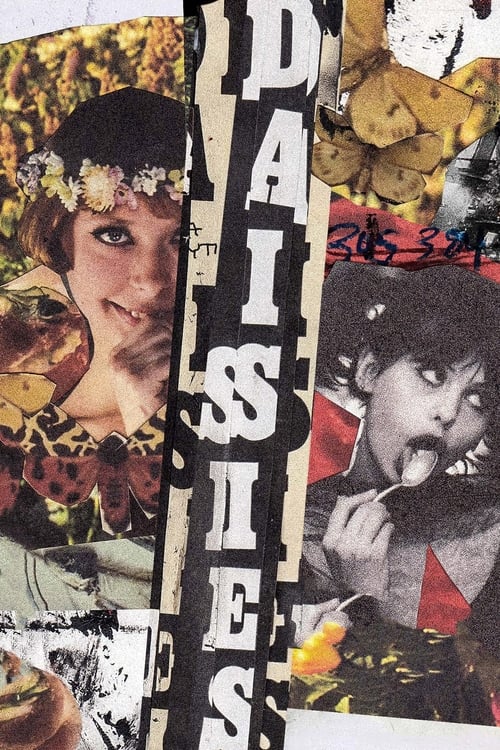
Daisies is a rare breed of film that defies narrative which teases and tears down the typical conventions of the medium. The conventions, much like Honza, are left at the door. Eating is a major theme in Daises as the girls manipulate and steal for food. One thing about these two girls is that they unapologetically look for food, and seemingly, they don’t have to. In literature, this motif represents deprivation, but the films twists the meaning to illuminate the idea of freedom—a form of anarchy. These girls hunger for freedom. They want to exempt from societal expectations and even physical reality. At the time, these girls confront an existential crisis. They realize that it is likely that everything is empty, meaningless. Additionally, they are frightened to believe that no one sees what they are doing. When they steal from a farmer and walk by cyclists, they feel like they weren’t acknowledged. It is a fickle thought until they realize the mess they bring to orderly civilization, i.e., the mess they made of corn on the street. However, it is frightening to think that your pang of hunger—your search for freedom—is nonexistent. The thing is that these girls feel restrained by the world; thus, they choose to act with their own will against what everyone else says. The final sequence is particularly special. The girls relish in an absurdly large banquet table. They eat with no restrain, and they even begin to play with it, and they walk on it. In a sense, it is inspiring to be this free; as silly as it seems, the girls have achieved immense freedom, avoiding the shackles of reality. While this hunger is insatiable, they are still satisfied for a brief moment. Despite their lavish feast, they are thrown into the water. We don’t see who or what. We can assume the proprietors for the banquet who are upset with the girls for ruining it, but additional meaning can be deduced that they are confronted by something greater. From the water, the girls cry out, saying that they will be good and forfeit their ways. They beg, cry and shout above them, and they receive no response. I’d compare this moment to the Camusian circumstance of crying out to an indifferent universe. Additionally, we can compare the girls situation to the myth of Tantalus, an insatiably hungry man force to stay on the surface of the water as punishment from the gods. In the same way, the girls are being punished, further highlighting the hunger motif. In the final scene, we see the girls repair their destruction of the banquet. They are uncharacteristically force to follow rigid, pure orderliness, and it is disturbing. This idea is complimented by the voice over of the girls statically stating their orientation towards order. It is a strange moment, but such is the way of “orderliness.” It is strange to be rigid. It is human to be free. Despite how the girls think they are happy with their new lives, they really aren’t. People are meant to be like this, and it is sad to think you are happy by accepting orderliness (societal conventions). By the end, they die by chandelier, and the film ends with a montage of a war torn battlefield, saying that this movie is for people who are upset about ridiculous reclamations of freedom. In the end, we can say that it is strange to be apart of a this world and to be believe that it should be tightly rigid and organized.