Skip to content




Mihaela
@lobotomylotus
🐞 **“Tempus edax rerum.”** i’m just a fucked up girl who’s looking for my own peace of mind
Recent activity
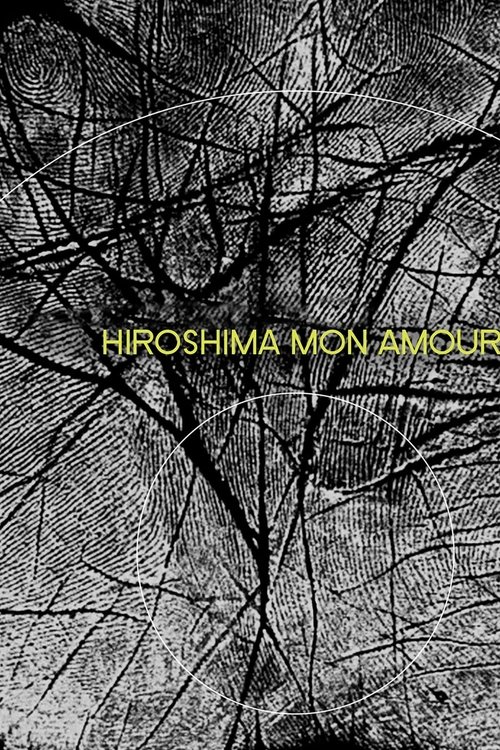
Hiroshima Mon Amour4.5September 21
Dans quelques années, quand je t'aurai oubliée, et que d'autres histoires comme celle-là, par la force encore de l'habitude, arriveront encore, je me souviendrai de toi comme de l'oubli de l'amour même. Je penserai à cette histoire comme à l'horreur de l'oubli. Je le sais déjà. Hiroshima mon amour feels like a film about the inevitability of oblivion, and the paradox of love, we love as if something could last forever, while knowing that everything inside us is slowly becoming a memory. That is very much at the center of Duras’s idea. Hiroshima mon amour treats memory and oblivion almost as two sides of the same thing, remembering keeps pain alive, but forgetting is also what allows a person to continue living. The woman is terrified of forgetting her german lover because forgetting feels like betraying the intensity of what happened, yet remembering him perfectly would mean remaining trapped in the past. The woman has spent years trying not to forget her lover, while simultaneously knowing that forgetting is inevitable. The Japanese man then imagines the same thing happening to their affair. I think Duras is also doing something very personal and existential, she makes love itself into a form of memory. These two people barely know each other, yet somehow they recognize in one another the possibility of another loss. Hiroshima becomes more than a place, it becomes a word for something that happened to them emotionally. By the end, they almost become Hiroshima and Nevers, places that contain entire histories of love, death, guilt and forgetting. And there is a really beautiful distinction here, the film isn’t simply about remembering Hiroshima or remembering a lover, it’s about the terrifying realization that memory itself is temporary. Maybe Duras wanted us to feel that contradiction, that remembering can be its own kind of suffering, but forgetting can feel like another death. And yet, perhaps forgetting is also what makes living possible. So the final passage becomes almost a philosophical paradox, love feels eternal precisely because we experience it in the present, but memory guarantees that even the most intense love will eventually become something distant and altered. Another thing that i would like to talk about (and personally i enjoyed the most) are the first 15 minutes of the movie. Those 15 minutes are deliberately overwhelming because Duras doesn’t let the audience simply watch Hiroshima. The lovers’ voices describe what she has seen while the images move between their bodies, Hiroshima, documentary-like images of destruction, and fragments of memory. The calmness of their voices against the horror makes everything feel almost dreamlike and unsettling. The lovers bodies, covered in what looks like ash, merge erotic intimacy with historical destruction, and i felt like i was watching two people trying to remember something that was already disappearing as they spoke. !!!These aren’t 100% my own ideas, i read a few articles about the movie and synthesized them in my own words. I’m also a huge fan of Marguerite Duras, so i was already familiar with some aspects of her writing and expressionism before watching it!!!
Bones and All7.0July 28
Midnight Cowboy8.0July 27
Cowboy Ken and Gargamel
Ex Machina7.0July 24