Skip to content


Recent activity
Nirvanna the Band the Show the Movie9.0August 13
The Cobbler2.0August 11
The New World8.0August 10
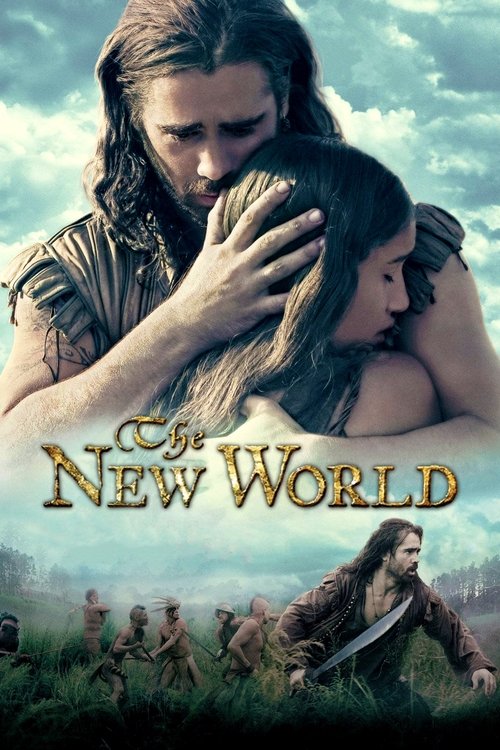
Malick takes a much more understanding and visually breathtaking look at the Jamestown settlement myth than Disneys Pocahontas, even if it still romanticizes a myth. It’s really hard to fully articulate my full feelings on this film without separating it from the tale it’s adapting, because from a technical perspective this is a fantastic film. Malick has a knack for capturing nature, both human and terran, and he really shows this off by capturing the interpersonal relationships explored here, alongside the astounding nature shots. On the other hand, it’s a disservice to separate the tale from the retelling. It’s a disservice not to recognize what is really going on here. With knowledge of the subject or not, unfortunately it is erasure, which is a very unfortunate situation to be in. Which is why I can’t rate this any higher than a 4. Malick certainly deserves his flowers here, but the cost is the ever present stain on the film.
Persona10.0August 10
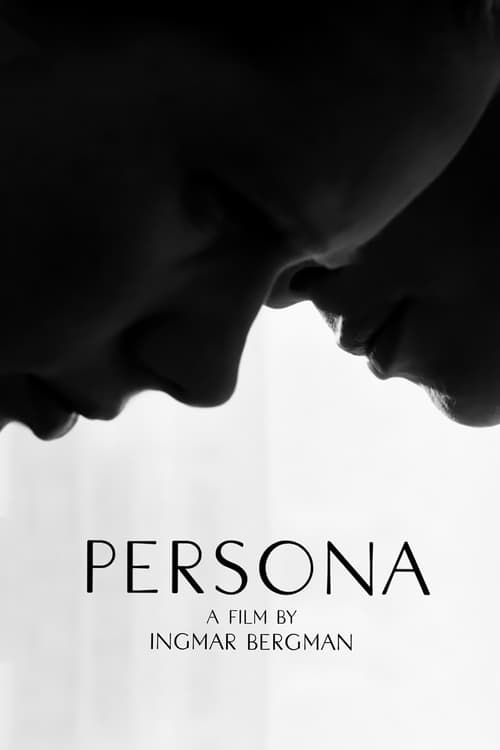
Before I sat down to actually watch this, I was incredibly sceptical that Bergman could deliver what so many people call a classic in under 90 minutes. I look to the seventh seal, a film that I quite cherish, and having that be just over 90 minutes; I’m convinced that Bergman is the master of making incredible films without having to spend an incredible runtime. I can’t believe it took this long to actually sit down and watch this, given my adoration for Bergman’s The Seventh Seal, I’m surprised I haven’t seen any other Bergman film. The film itself is FAR better than I had anticipated, and it deserves the moniker of “masterpiece”. I don’t know if I’ve ever seen another film capture the essence of “feeling”. Many films capture the scope of feeling, like just life in general. Many films focus on a particular feeling. First Reformed focuses on despair, Marty Supreme focuses on arrogance and the stress from that, the Turin Horse focuses on the feeling of bleak existentialism and countless hundreds of films focus on grief and sadness. Other films capture the scope of feeling well, like Perfect Days. But this shows a silent intensity of feeling in a way I’ve never seen before. And cinema, like any art, is all about feeling. But even that isn’t the main focus of the film. It’s first and foremost about identity. Using an actress, a psychologically struggling and complex one at that, to convey that is genius. One of the first shots we see of Elisabet, she’s wearing stage makeup, in a costume and on stage, when she decides to go mute. She sees going mute as a sign of protest to the lies of the everyday person, as a social protest against the lies of the titular persona. This is something that is incredibly interesting to watch in the age of social media, where not only is the mask on for irl social interactions, but there’s also an aspect of an online persona, the idea of maintaining a specific image or identity online that is by all accounts perfect but unique. Despite coming out in the 60s, I believe this is more important to recognize than at any other time. But I don’t think that’s the point, either. Moreso than any philosophical point or argument, the film is very much focused on the character(s) Alma and Elisibet. There are so many moments of pure silence in this film, moments where you have to feel with the uncomfortability of the situation. Anyways it’s a crazy ride and a hell of a recommend.