Skip to content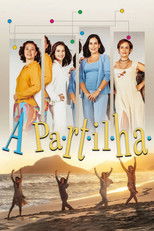
 7.1Flick

 7.0Flick
 7.5Flick
 7.5Flick
 7.1Flick
 6.6Flick
 7.9Flick
 7.6Flick
 7.1Flick


20 films
The Inheritance
2001
"A Partilha" is considered one of the many films that contributed to the revitalization of Brazilian cinema during the Cinema da Retomada era, both in terms of its thematic content and its success in the industry.
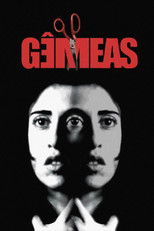
Twins
1999
"Gêmeas" serves as an important milestone in the revitalization of Brazilian cinema during the Cinema da Retomada period, highlighting the creativity, diversity, and resilience of the Brazilian film industry.
Um Show de Verão
2004
"Um Show de Verão" is an example of how Brazilian cinema during the Cinema da Retomada period embraced a renewed sense of cultural identity, diversity, and experimentation in storytelling.
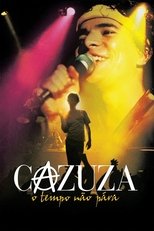
Cazuza: Time Doesn't Stop
2004
"Cazuza: O Tempo Não Pára" aligns with the goals and characteristics of the Cinema da Retomada movement by celebrating Brazilian culture, showcasing high-quality production, exploring relevant social issues, and achieving recognition on the international stage.
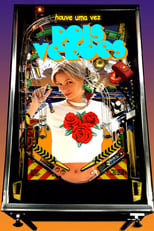
Two Summers
2002
"Houve uma Vez Dois Verões" is emblematic of the energy and creativity that characterized Brazilian cinema during the "Cinema da Retomada" period, making it a significant contribution to the movement.
Us
2019
"Us," directed by Jordan Peele, fits into the new wave of horror by blending social commentary with traditional horror elements in a fresh and innovative way. Peele's film tackles themes of identity, class, and the societal divide, using horror as a vehicle to explore these issues.
Midsommar
2019
"Midsommar" exemplifies the evolving landscape of horror cinema, where filmmakers are pushing boundaries and exploring new thematic territory while still delivering unsettling and thought-provoking experiences for audiences.
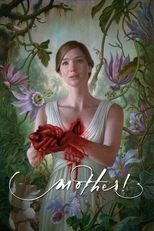
mother!
2017
"Mother!" aligns with other contemporary horror films that challenge conventional storytelling techniques and confront audiences with uncomfortable truths about the human condition. Its unique narrative structure and provocative themes contribute to its status as a standout example of modern horror cinema.
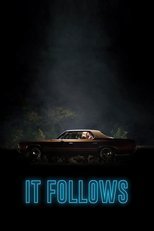
It Follows
2014
"It Follows" addresses deeper themes beyond just scares, such as the anxieties and pressures of adolescence, the consequences of casual sex, and the fear of mortality. This thematic richness adds layers of complexity to the film, appealing to audiences who seek more than just surface-level frights in their horror movies.
Hereditary
2018
"Hereditary" exemplifies how modern horror can be both terrifying and thought-provoking, pushing the boundaries of the genre and appealing to audiences seeking more intellectually stimulating frights.
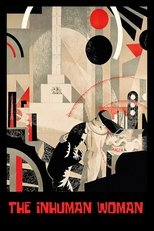
The Inhuman Woman
1924
While "L'Inhumaine" may not be a quintessential example of French Impressionist cinema, it shares enough similarities in its experimental approach and thematic concerns to be considered within the broader context of the movement.
Napoleon
1927
"Napoleon", directed by Abel Gance, is often associated with French impressionist cinema due to its innovative visual techniques and experimental storytelling.
La Roue
1923
"La Roue" (The Wheel) is a 1923 French silent film directed by Abel Gance. While it's not typically categorized as an "impressionist" film, it's often associated with French Impressionist cinema due to its innovative and experimental techniques, which were influenced by the Impressionist movement.
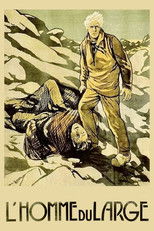
The Man of the Sea
1920
While "The Man of the Sea" may not be a quintessential example of French Impressionist cinema, it shares enough thematic and stylistic similarities to be considered a precursor or a film that aligns with the principles of the movement.
Nothing But Time
1926
"Rien que les heures" is a silent French film directed by Alberto Cavalcanti. It is often cited as a prime example of French impressionist cinema due to its experimental narrative structure, visual style, and thematic exploration of urban life.
The Happiest Girl in the World
2009
The Happiest Girl in the World is a Romanian film directed by Radu Jude. It was released in 2009 and is often associated with the Romanian New Wave, a movement characterized by its minimalist style, naturalistic performances, and themes dealing with post-communist Romania.
Aurora
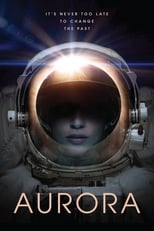
"Aurora" shares many characteristics with other films of the Romanian New Wave, making it a significant contribution to the movement and an important example of contemporary Romanian cinema.
Scarred Hearts
2016
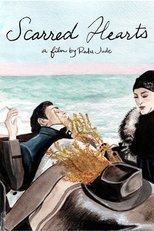
"Inimi cicatrizate" contributes to the rich tapestry of Romanian cinema and continues the tradition of thought-provoking, socially conscious filmmaking that defines the Romanian New Wave.


Comments