Skip to content






Markus
@maggus_
> ***As far back as I can remember, I always wanted to watch movies.*** Films are everything. No other form of media is capable of fulfilling us to such an extent. Everyone lives their own life, everyone has their own struggles, everyone has different tastes and preferences, but films connect us all. We can see ourselves reflected in films, experience all sorts of tales through them, from adventures all the way to horror stories. When words fail to describe something, it can be certain that it is not always necessary to say something; sometimes you can simply let the images speak for themselves. Films offer the opportunity to explore the deepest depths of the human mind. We can get to know ourselves, we can grow through these experiences; we can be excited, we can laugh and we can cry. Film is the ultimate form of communication, an almost unbeatable art form, one of the highest forms of expression. Film manages to define us without necessarily having to say anything. Films are everything. I long to finally be redeemed by the perfect artwork that may draw me out of the endless curtain of darkness and obscurity. And we must enjoy this whilst we still might, before it all begins to crumble. For how much longer might we enjoy these privileges? For how much longer until the inevitable overtakes us? For even those who believed themselves eternal have not been able to escape its grasp. > ***I met a traveller from an antique land, > ******Who said—“Two vast and trunkless legs of stone > ******Stand in the desert. . . . Near them, on the sand, > ******Half sunk a shattered visage lies, whose frown, > ******And wrinkled lip, and sneer of cold command, > ******Tell that its sculptor well those passions read > ******Which yet survive, stamped on these lifeless things, > ******The hand that mocked them, and the heart that fed; > ******And on the pedestal, these words appear: > ******My name is Ozymandias, King of Kings; > ******Look on my Works, ye Mighty, and despair! > ******Nothing beside remains. Round the decay > ******Of that colossal Wreck, boundless and bare > ******The lone and level sands stretch far away.” > ******- Percy Bysshe Shelley (1818)***
Recent activity
Seven Years in Tibet4.0June 15
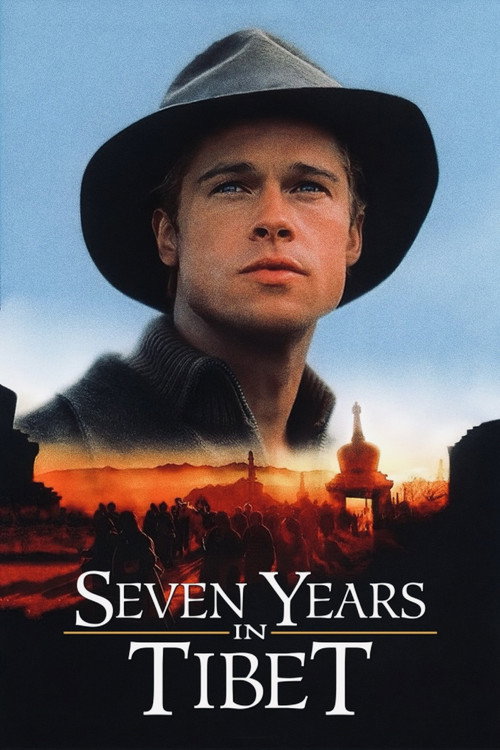
***GERMAN VERSION (english below)*** > ***„Es hat den Anschein, als ob es den anderen nichts ausmacht, hier herumzusitzen, zu warten, zu hoffen und die Zeit totzuschlagen. So viel Zeit zu haben um sich Gedanken über sich selbst zu machen ist nicht gut.“*** ***Sieben Jahre in Tibet*** schwankt zwischen Bestimmung und Unklarheit, zwischen Harmonie und Inkonsistenz. Im ersten Drittel zeigt er wunderschöne Aufnahmen, verkörpert er eine Art Liebesbrief zu den riesigen Weiten des Himalaya-Gebirges. Wundervolle poetische Phrasen erscheinen hier und da, alle gesellschaftlichen und politischen Anliegen sind ohne Belang, es geht einzig und allein um eine große Suche nach sich selbst und seiner Bestimmung, und dies in den unendlichen Gebirgsketten Tibets. Diese scheinbare Unendlichkeit sollte nahezu charakterisierend für den gesamten Film werden, hätte ihn um so viel mehr aufwerten können, hätte der nachfolgende Abschnitt des Films diese gesamte Atmosphäre, diese Schönheit nicht vollkommen torpediert. > ***„Wenn du dir einen verborgenen Ort vorstellen kannst, der sicher vor der übrigen Welt versteckt liegt, abgeschottet hinter dicken Mauern aus schneebedeckten Bergen, einen Ort, in dem sich all die überwältigende Schönheit sonderbarer nächtlicher Träume widerspiegelt, dann weißt du, wo ich bin.“*** Nach dem ersten Drittel des Films kommen wir nämlich hinaus aus der Schönheit der Wanderschaft. Die majestätischen Gebirgsformationen verschwinden fast völlig aus dem Kamerawinkel und aus dieser einst poetischen Identitätssuche wird ein dramatisierter Historienfilm, welcher sich zudem auf die Darstellung der tibetischen Kultur und Lebensweise fokussiert. Gezeigt ist letztendlich die Invasion Tibets durch Truppen des kommunistischen Chinas, welche die primitiven tibetischen Streitkräfte im Endeffekt vernichtend schlagen und das Land unterwerfen. Im gleiche Zuge sehen wir das tibetische Volk im Vordergrund; es sind Menschen die doch fast abgeschottet vom Rest der Welt leben, Menschen, die tief verwurzelt sind mit ihren Traditionen und ihrer Religion. Diese Menschen, die fest an ihre buddhistischen Riten festhalten, folgen dem Dalai Lama, ihrem spirituellen Oberhaupt und leben im Einklang mit ihrer Umwelt. All dies ist im Grunde recht überzeugend dargestellt, doch entwickelt sich mit der Zeit eine gewisse Atmosphäre der Ziellosigkeit. Das erste Drittel und auch das letzte Ende ist meines Erachtens wirklich hervorragend dargestellt und der Soundtrack ist ebenfalls von John Williams wundervoll komponiert worden, doch fehlt es dem Film im Endeffekt an Bestimmung. Er vollführt einen bedeutenden Genrewechsel, alle Motive ändern sich nach dem ersten Drittel, doch erscheint dies nicht wie ein intelligenter Wandel, es verdeutlicht nur die Unkenntnis darüber, was der Film eigentlich von sich selbst möchte. Sicher ist dies eine mehr oder weniger wahre Geschichte, doch wie eine solche Geschichte nunmal in einem Film inszeniert werden soll, bietet unzählige kreative Möglichkeiten, die besser erzählt hätten werden können, als es nun der Fall ist. ***Sieben Jahre im Tibet*** springt also förmlich zwischen den Motiven, die er verkörpern möchte. Er weiß nicht, was er sein soll, was er genau erzählen will und welche Moral nun folgen soll am Ende der Geschicht. Für mich persönlich war also wie gesagt das erste Drittel, sowie das Ende herausragend und wunderschön gefilmt. Die Motive der Identitätssuche, auch die Berge und das klettern als seelisch erfüllende Bewältigung sind trotz der Mängel Aspekte, die bewegen und überdauern, den Film aber nicht gänzlich retten können. > ***„Wenn man klettert ist der Geist völlig klar, frei von allen Verwirrungen, voll konzentriert. Und plötzlich erscheint einem das Licht viel intensiver, die Klänge reicher. Man ist erfüllt von der tiefen und mächtigen Gegenwart des Lebens.“*** ****** ***ENGLISH VERSION *** > ***“It seems the others don’t mind sitting here waiting, hoping, doing nothing. So much time to question on one‘s self is not good.”*** ***Seven Years in Tibet*** shifts between determination and uncertainty, between harmony and inconsistency. In the first third, it offers beautiful footage, embodying a kind of love letter to the vast expanses of the Himalayan mountains. Wonderful poetic phrases appear here and there; all social and political concerns are irrelevant—it is solely about a great search for oneself and one’s destiny, set against the backdrop of Tibet’s endless mountain ranges. This apparent infinity was supposed to become almost characteristic of the entire film; it could have enhanced it so much more, had the following section of the film not completely torpedoed this entire atmosphere, this beauty. > ***“If you can imagine a hidden place, tucked safely away from the world, concealed by walls of high, snow-capped mountains, a place rich with all the strange beauty of your night-time dreams, then you know where I am.”*** After the first third of the film, we leave the beauty of the journey behind. The majestic mountain formations almost completely disappear from the camera’s view, and this once-poetic search for identity turns into a dramatized historical film that also focuses on depicting Tibetan culture and lifestyle. Ultimately, what is shown is the invasion of Tibet by troops from Communist China, who ultimately crush the primitive Tibetan forces and subjugate the country. At the same time, we see the Tibetan people in the foreground; they are people who live almost cut off from the rest of the world, people who are deeply rooted in their traditions and their religion. These people, who firmly uphold their Buddhist rites, follow the Dalai Lama, their spiritual leader, and live in harmony with their environment. All of this is portrayed quite convincingly, but over time a certain atmosphere of aimlessness begins to develop. In my opinion, the first third and the final act are truly superbly executed, and the soundtrack, composed by John Williams, is also wonderful; yet, ultimately, the film lacks a sense of purpose. It undergoes a significant genre shift—all the themes change after the first third—but this does not feel like an intelligent change; it merely highlights the film’s lack of clarity about what it actually wants to be. Sure, this is a more or less true story, but how such a story should be staged in a film offers countless creative possibilities that could have been told better than is currently the case. ***Seven Years in Tibet*** thus literally jumps between the themes it seeks to embody. It doesn’t know what it’s supposed to be, what exactly it wants to tell, or what moral should follow at the end of the story. For me personally, as I said, the first third and the ending were excellent and beautifully filmed. The themes of the search for identity, as well as the mountains and climbing as a spiritually fulfilling achievement, are—despite the film’s shortcomings—aspects that move and endure, though they cannot entirely save the film. > ***“When you‘re climbing, your mind is clear. Freed of all confusions. You have focus. And suddenly the light becomes sharper, sounds are richer. And you are filled with the deep, powerful presence of life.”***
The Human Condition III: A Soldier's Prayer9.0June 13
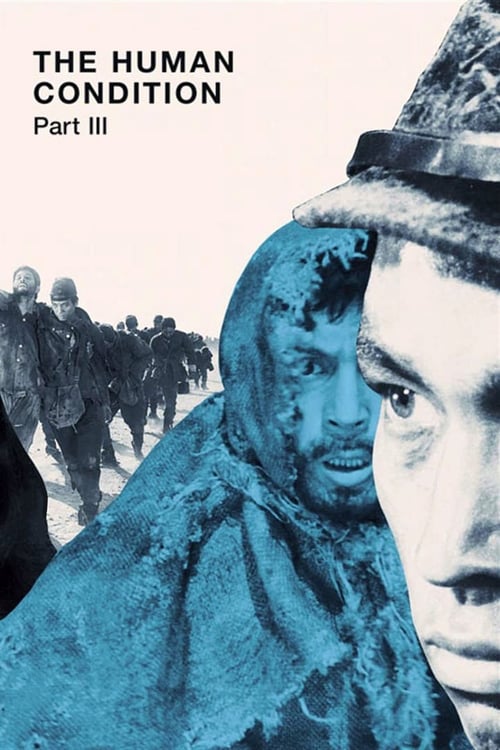
***GERMAN VERSION (english below)*** ***Barfuß durch die Hölle - 3. Teil: …und dann kam das Ende ***bildet den krönenden Abschluss dieser fast zehnstündigen Reise. Wir folgen Kaji, einem pazifistischen Idealisten, der im ersten Teil die Aufsicht über eine Gruppe arbeitender Kriegsgefangener übernimmt. Er erhofft sich, das System von innen heraus humanistischer machen zu können, wird im Endeffekt aber ausschließlich enttäuscht und daran gehindert. Im Endeffekt wird er jedoch sogar mit der Eskalation des Krieges in die Armee eingezogen. Im zweiten Teil findet er sich nun im Militär wieder, all seiner Werte beraubt. Seine ganze Würde, wie auch sein Mitgefühl werden ihm vom System her genommen, wobei er gezwungen ist Dinge zu tun, die allem widersprechen, was er einst zu glauben pflegte. Nun im Dritten Teil beginnt der große Leidensweg, der alles zu einem Ende führen mag. Kaji ist zu einem Mann geworden, dem der Krieg alles genommen hat. Jeder Akt des Mitgefühls wirkt sich gleich einer Strafe aus. Alles, woran er einst festhalten konnte, alle, denen er einst helfen wollte, sind mit der Zeit fortgegangen. Nur die Liebe hält ihn noch am Leben. Die Hoffnung auf Geborgenheit und Frieden ist das letzte was bleibt in dieser großen, fast schon unendlich scheinenden Rastlosigkeit. Inmitten all dessen sticht die Performance von Tatsuya Nakadai besonders hervor. Sicher ist dies hier ein japanisches Werk, wodurch wir sicher oft mit Overacting rechnen müssen, doch wirkt seine Performance trotz allem unglaublich zeitlos. Er verkörpert Leid und Sehnsucht, Verlust und Willensstärke in erstaunlicher Weise, bis zum letzten Ende. ***Barfuß durch die Hölle - 3. Teil: …und dann kam das Ende*** fokussiert sich auf einen unumgänglichen und monumentalen Zusammenbruch aller Fronten. Das Land für welches wir einst kämpften ist zerfallen. Viele klammern sich an seine Bruchstücke, doch werden mit ihnen in den Abgrund gerissen. Ehre scheint auf keiner Seite mehr einen Platz zu finden. > ***„The country you were thaught to know will be dead… and that‘s how it should be.“*** Eben so erzählt der Film in dieser fast schon staatenlos-ähnlichen Situation von Obdachlosigkeit und Ruhelosigkeit. Auf wirklich kraftvolle Weise wird uns die Entfremdung in den scheinbar unendlichen Weiten der Mandschurei zuteil. Krampfhaft klammern wir uns an die Werte, denen wir uns einst so sicher waren. Wir träumen vom Pazifismus, vom Ende des Militarismus und gedenken der eigentlichen Wichtigkeit des Individuums. Doch niemand scheint einen solchen Neuanfang schaffen zu wollen. Ein jeder ist nur auf sich bedacht. Und wir sind müde, müde von Krieg und Gewalt, müde von der Flucht, die hier einen essenziellen Aspekt darstellt und die die ganzen drei letzten Stunden eigentlich im Vordergrund steht. Wir hoffen und hoffen, doch nichts wendet sich wahrhaft zu unseren Gunsten. Es ist ausschließlich ein monumentaler Leidensweg durch die dichtesten, tropischen Wälder der Mandschurei, sowie auch durch ihre schneebedeckten, kahlen und eiskalten Weiden. Die Psyche allein lässt den Körper dies überstehen, doch wird auch sie zu gegebener Zeit ihr Ende finden, zu einer Zeit da wir um nichts mehr wissen, zu einer Zeit, da wir keinerlei Gewissheiten mehr haben und nicht mehr erahnen könnten, was eigentlich rechtens ist. > ***„We’re ruined! We all share the same fate. We‘ll never get home. We‘ll never see our loved ones again. Never get home… Never see our loved ones again…“*** Wo ich finde, dass insbesondere Emotionalität den ersten beiden Teilen deutlich gefehlt hat, haben wir hier ein scheinbar perfektes Maß dessen. Überhaupt scheint der dritte Teil wirklich alles besser zu machen, was vorher gestört hat. Die Kamera war meiner Meinung nach nie wirklich herausragend genutzt worden, doch spürt man in diesem Teil, allein durch die Kamera das wahrhaftige Gewicht der Handlung. Die Sprachbarriere hat auch ihren Teil getan, wodurch die Immersion dieses gigantischen Werks sich sicher nicht vollkommen entfalten konnte. Dieses fast zehnstündige Filmwerk hat keinen Spaß beim gucken gemacht, es war teilweise anstrengend und ausdauernd. Man konnte es finde ich nicht wirklich genießen, doch ist das höchstwahrscheinlich Teil der gesamten Erfahrung. Das soll es aber mit der Kritik auch schon gewesen sein. Alle drei Teile stechen besonders damit hervor, dass sie hervorragend geschrieben sind, mit jedem Teil an Dramatik und poetischer Qualität wachsen und immer nahbarer werden. ***Barfuß durch die Hölle*** ist ein gigantisches Werk mit wahnsinniger Länge. Ich weiß nicht, ob ich es mir je wieder ansehen werde, noch was ich wirklich in tiefstem Sinne darüber fühlen soll, doch ist es unbestreitbar ein wahrhaft einzigartiges Werk, das seines gleichen sucht. Es ist von beachtlichem Ausmaße und damit umso kraftvoller. Es ist gezeichnet mit unzähligen, wundervollen Dialogen und damit umso bewegender. 4,5 Sterne bilden höchstwahrscheinlich nicht wirklich meine tatsächliche Filmerfahrung ab, da dafür doch zu viel zu bemängeln wäre, zudem ich emotional nicht wirklich viel verspürt habe für diese Höhe der Bewertung, doch weiß ich mir nicht anders zu helfen und muss in diesem Zustand wohl oder übel verbleiben. ***ENGLISH VERSION*** ***The Human Condition III: A Soldier’s Prayer ***marks the grand finale of this nearly ten-hour journey. We follow Kaji, a pacifist idealist who, in the first part, takes command of a group of prisoner-of-war labourers. He hopes to make the system more humane from within, but ultimately finds himself thoroughly disappointed and discouraged. Ultimately, however, as the war escalates, he is conscripted into the army. In the second part, he now finds himself in the military, deprived of all his principles. All his dignity, as well as his compassion, are systematically taken from him, and he is forced to do things that contradict everything he once believed in. Now, in the third part, the great suffering begins, which may bring everything to an end. Kaji has become a man from whom the war has taken everything. Every act of compassion feels like a punishment. Everything he once held dear, everyone he once wanted to help, has faded away over time. Only love keeps him alive. The hope for security and peace is the last thing remaining in this vast, almost endless restlessness. Amidst all this, Tatsuya Nakadai’s performance stands out in particular. Certainly, this is a Japanese film, so we must often expect some overacting, yet his performance feels incredibly timeless despite everything. He embodies suffering and longing, loss and fortitude in an astonishing way, right up to the very end. ***The Human Condition III: A Soldier’s Prayer ***focuses on an inevitable and catastrophic collapse of all front lines. The country for which we once fought has crumbled. Many cling to its fragments, yet are dragged into the abyss along with them. Honour seems to have no place on either side anymore. > ***“The country you were taught to know will be dead… and that’s how it should be.”*** In this almost stateless-like situation, the film tells a story of homelessness and unrest. In a truly powerful way, we are confronted with alienation in the seemingly endless expanses of Manchuria. We grasp desperately at the values we were once so certain of. We dream of pacifism, of the end of militarism, and reflect on the true importance of the individual. Yet no one seems willing to make such a new beginning. Everyone is only looking out for themselves. And we are exhausted, exhausted by war and violence, exhausted by the act of fleeing, which is an essential aspect here and has actually been at the forefront for the entire three hours. We keep hoping and hoping, yet nothing truly turns in our favour. It is nothing but a monumental suffering through the densest, tropical forests of Manchuria, as well as through its snow-covered, barren and freezing pastures. It is the mind alone that enables the body to endure this, yet even it will eventually succumb, at a time when we know nothing more, at a time when we have no certainties left and can no longer fathom what is actually right. > ***“We’re ruined! We all share the same fate. We’ll never get home. We’ll never see our loved ones again. Never get home… Never see our loved ones again…”*** Whereas I felt that the first two instalments were notably lacking in emotional depth, here we have what seems to be the perfect balance of it. In fact, the third instalment seems to improve on everything that was problematic before. In my opinion, the camera work had never really been used to exceptional effect, but in this instalment, the camera alone conveys the true weight of the plot. The language barrier also played its part, meaning that the immersion in this colossal work certainly couldn’t unfold to its full potential. This piece of cinema, running to almost ten hours, wasn’t exactly a joy to watch; at times it was exhausting and demanding. I don’t think you could really enjoy it, but that is most likely part of the overall experience. But that’s as far as the criticism goes. All three parts stand out in particular for being superbly written, growing in drama and poetic quality with each part, and becoming increasingly intimate. ***The Human Condition ***is a monumental work of insane length. I don’t know if I’ll ever watch it again, nor what I’m really supposed to feel about it in the deepest sense, but it is undeniably a truly unique work that is second to none. It is of considerable scope and all the more powerful for it. It is filled with countless, wonderful dialogues, making it all the more moving. 4.5 stars most likely do not truly reflect my actual experience of the film, as there is simply too much to criticise, and I did not really feel much emotionally to deserve such a high rating; yet I cannot help myself and must, for better or worse, remain in this position.
Inglourious Basterds9.0June 12
Großartiger Film, wundervolle Darsteller, ausgezeichneter Soundtrack und wie immer von Tarantino grandios und wirklich intelligent geschrieben. Wir haben so viel Gewalt und so viel Satire, dass es uns förmlich umhaut. ***Inglorious Basterds*** ist ein fantastischer Film, der super gefilmt ist und tatsächlich auch echt Spaß macht, insbesondere durch seine übertriebene Theatralik. Was soll ich sagen, das Ding ist ein Meisterwerk!
The Human Condition II: Road to Eternity8.0June 12
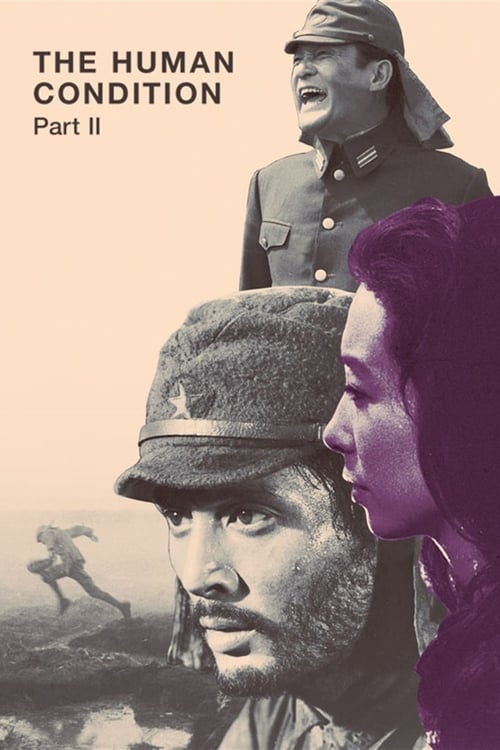
***GERMAN VERSION (english below)*** ***Barfuß durch die Hölle - 2. Teil: Die Straße zur Ewigkeit*** ist nun der Mittelteil dieser monumentalen Trilogie. Wo alle Aspekte zum Militär vorerst ausschließlich Furcht auslösten, müssen wir uns nun damit abfinden, ihm zu dienen. Wo es zuvor ein Unding war, allein die Hand gegen jemanden zu erheben, ist dies nun an der Tagesordnung. Gewalt ist ein alltägliches Mittel zur Erziehung geworden, ein selbstverständliche Handlungsmöglichkeit zur Abhärtung der Rekruten. > ***„Men are like springs. The more pressure, the stronger they snap back.“*** In dieser starren Disziplin, in diesem Klimax des Militarismus, blüht nun einmal mehr der rechtschaffene Geist unseres Protagonisten. Mit Rückgrat möchte er seine Kameraden vor unnötiger Pein schützen, möchte weiterhin aus tiefstem Herzen den Humanismus vertreten, doch stößt dabei bei allerlei Kameraden auf Gegenwehr. Selbst die, denen er zu helfen versucht, verstehen ihn manchmal nicht, möchten eine Schlacht schlagen, die bereits verloren scheint, für etwas kämpfen, das sie nicht einmal wahrnimmt. So thematisiert ***Barfuß durch die Hölle - 2. Teil: Die Straße zur Ewigkeit ***in ganz genauem Maße die Abgründe des Militarismus. Es handelt davon, was passiert, wenn gerechtes und menschliches Handeln auf starre Strukturen stößt, die längst nicht mehr Zeitgemäß erscheinen. Der Film erzählt von der absoluten Absurdität der Zustände im japanischen Militär, ist im Endeffekt aber kein ausschließlich linkes Pamphlet, sondern thematisiert in dieser Kritik der veralteten Strukturen auch die Wichtigkeit von Ehre und Pflichterfüllung. Obwohl man all jenes kritisieren kann, Menschen wie auch Umstände, so ist das Vaterland eines, welches nicht ersetzt werden kann. Ob wir nun möglicherweise desertieren, oder bis zum Ende in unseren Reihen verbleiben mögen, unsere Entscheidungen beeinflussen nicht unsere gesamte Identität - manches ist so tief in uns verwurzelt, dass es immer in uns sein wird. > ***„Prettier flowers blossoming on their soil… doesn‘t justify rejecting your own.“*** ****** *** ENGLISH VERSION*** ****** ***The Human Condition II: Road to Eternity*** is now the middle installment of this monumental trilogy. Whereas every aspect of the military once inspired nothing but fear, we must now resignedly accept that we shall serve it. Whereas it was once unthinkable to even raise a hand against another person, such behavior is now commonplace. Violence has become an everyday method of education, a natural means of hardening the recruits. > ***“Men are like springs. The more pressure, the stronger they snap back.”*** In this stiff discipline, in this climax of militarism, the righteous spirit of our protagonist blossoms once more. With courage, he seeks to protect his comrades from unnecessary suffering, to continue advocating humanism from the bottom of his heart, yet in doing so, he encounters resistance from various comrades. Even those he tries to help sometimes do not understand him; they want to fight a battle that already seems lost, to fight for something that doesn't even perceive them. Thus, ***The Human Condition II: Road to Eternity*** addresses the dangers of militarism with great detail. It explores what happens when ethical and humane actions clash with outdated structures that no longer seem contemporary. The film depicts the utter absurdity of conditions in the Japanese military, but ultimately it is not solely a left-wing pamphlet; in its critique of outdated structures, it also discusses the importance of honor and the fulfillment of duty. Although one can criticize all of this—both people and conditions—the fatherland is something that cannot be replaced. Whether we might desert or remain in our ranks until the end, our decisions do not define our entire identity—some things are so deeply rooted within us that they will always be a part of us. > ***“Prettier flowers blossoming on their soil… doesn’t justify rejecting your own.”***