Skip to content

max
@maxwell0713
my favorite film genre is people being nice to each other *my top 4 changes often!*
Recent activity
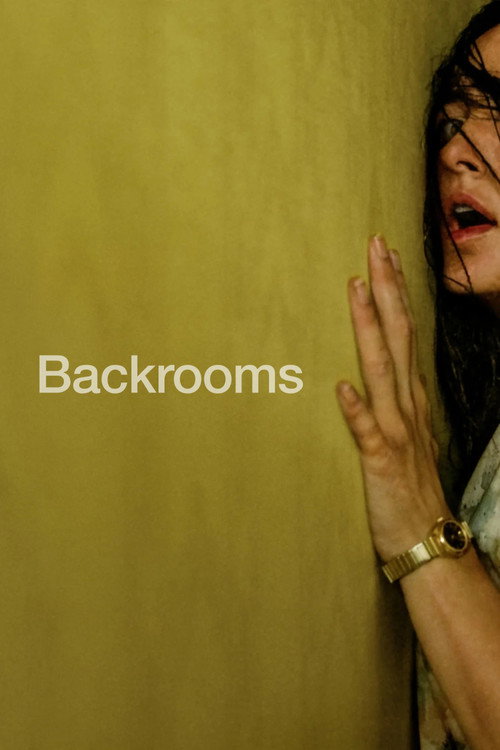
Backrooms8.0June 8
i about browned my pants in the first five minutes of the movie and that says enough
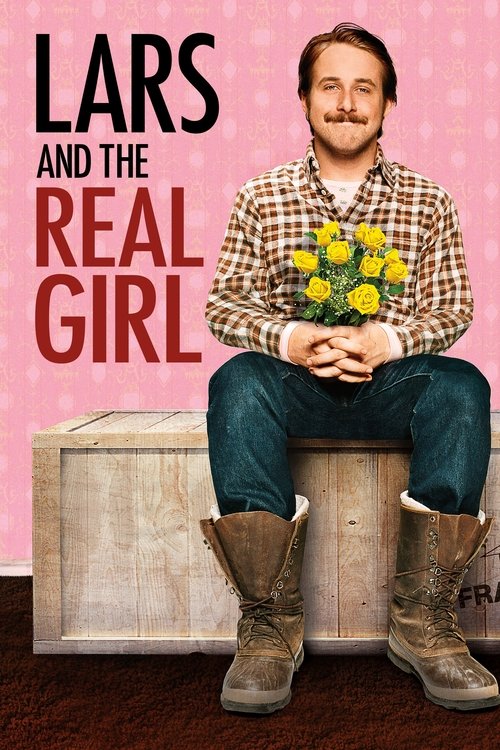
Lars and the Real Girl9.0June 7
my grandmother wanted to watch this movie after i told her about it so i watched it with her. this is really an incredible movie. on a first watch i was waiting for something bad to happen and it never did and i admire that. life is already so hard and so sad and this movie gives you the littlest snippet of a world where people can be good. Lars as a character is a really wonderful study of neglect and loneliness. it's so easy to feel embarrassment for him during scenes where he's introducing Bianca to members of his community, but why would you? this is who Lars is. the movie shows us that his community loves him. nobody asked him to change in order to have that. when Bianca died and the delusion was over, nobody breathes a sigh of relief, nobody talks about how Lars can be "normal" again, how he's "fixed." Karin and Gus are mortified, they're angry that Dr. Berman "let this happen." they show us how the ripple passes through all the members of the town; how worried they are, how scared, how sad. i appreciate that Lars is never "diagnosed" with anything. although Dr. Berman says he has a "delusion," she never placed Lars into a label. and having a diagnosis is a good thing for many people, to put a name to the experiences they're having or the suffering they feel. but Lars didn't need that and it would only serve to isolate him further from the members of his community, to solidify that he was "crazy." to that end, the use of the color pink is lovely. the backdrop of the town is gloomy and dreary in some shots. there's hardly even any snow to brighten any of the wide landscape shots. there's nothing remarkable about it at all, and that works. but the use of pink gives so much contrast that even a viewer who doesnt know anything about color theory or symbolism could pick up on its use and infer it to mean something. the pink is clearly his mother. the pink carnation, the pink room, Bianca's pink lipstick and clothes, Margo's pink sweater. i appreciate that pink is used sporadically and randomly. no one character owns the color. Karin wears a pink robe in the kitchen scene, Lars wears his mother's pink shirt underneath his many layers (the symbolism there is quite on the nose), Margo wears a pink scarf, her bear wears a dusty pink shirt, and even random, unnamed characters can be seen in the backdrop wearing pink. grief appears in every corner of our lives, even when we are not looking for it, even when we wouldn't expect it. i appreciate the ending. letting go of the pink bowling ball, and Lars wearing Bianca's pink sweater to her funeral; putting the grief to rest. Lars and the Real Girl reminds us that love is real, and it's all around us.
Lars and the Real Girl10.0June 5
Lars and the town that loved him
The Company of Wolves7.0May 2
granny being the ultimate man hater is so real to me