Skip to content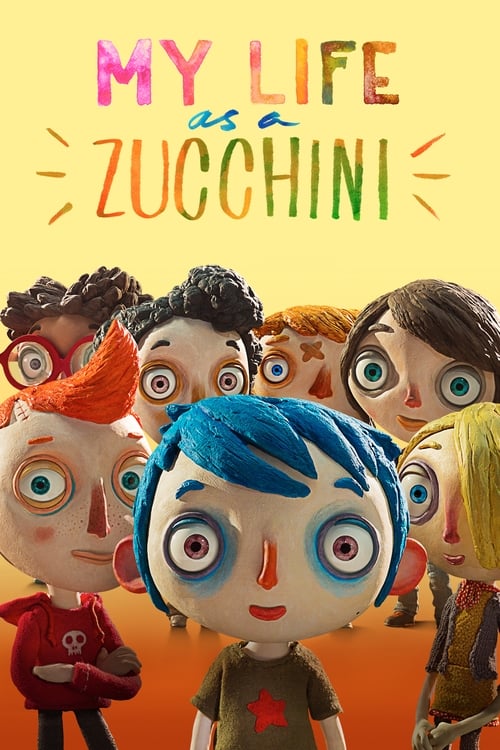

Recent activity
My Life as a Zucchini6.0March 28
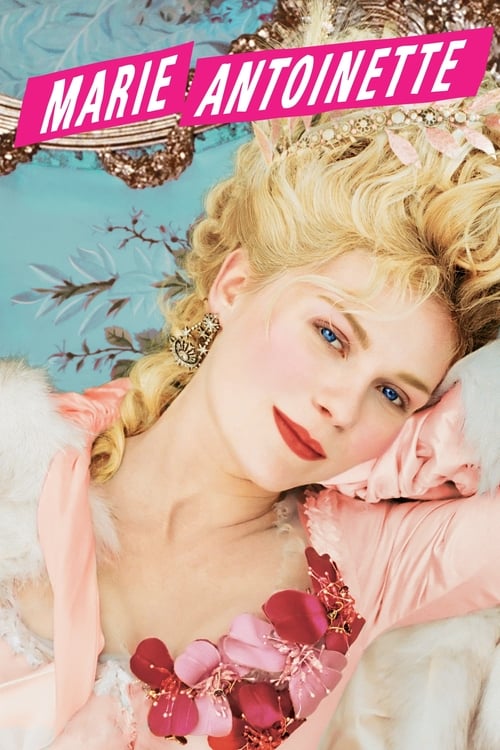
Marie Antoinette6.0March 28
aesthetically pleasing If only Rococo style was still accessible at this century in terms of of clothing… Marie Antoinette dresses are so beautiful
The Party8.0March 27
Je me devais de revoir ce classique de la cinématographie française, après avoir parcouru la galerie de mon ancien téléphone. Ce film m’enveloppe dans un sentiment de réconfort et de nostalgie, car, comme Vic , non pas à 13 mais à 16 ans — j’ai moi aussi vécu ma première soirée adolescente. Comme Vic, j’étais impatiente d’y être, comme Vic , je me suis plaint de n’avoir rien à me mettre, malgré un placard déjà plein à craquer ; comme Vic, j’ai élevé la voix contre mes parents, surprotecteurs et un peu conservateurs sur les bords, leur lançant ce fameux : « vous ne pouvez pas comprendre », lorsqu’ils refusaient, à plusieurs reprises, de me laisser partir chez des gens dont, il ne connaissait pas l’entièreté de l’arbre généalogique. Je me souviens des jeux de lumière, des chants autour du piano, des rires, des retouches maquillage dans les toilettes, des aveux échangés et, par-dessus tout, de cette chance précieuse d’avoir rencontré des personnes incroyables, dont certaines, encore aujourd’hui, font partie de mes amis les plus proches. Et il n’y a sans doute rien de plus beau que de porter en soi ces souvenirs précieux d’une période d’insouciance, où le temps semblait s’étirer, doucement, sans la moindre hâte :)
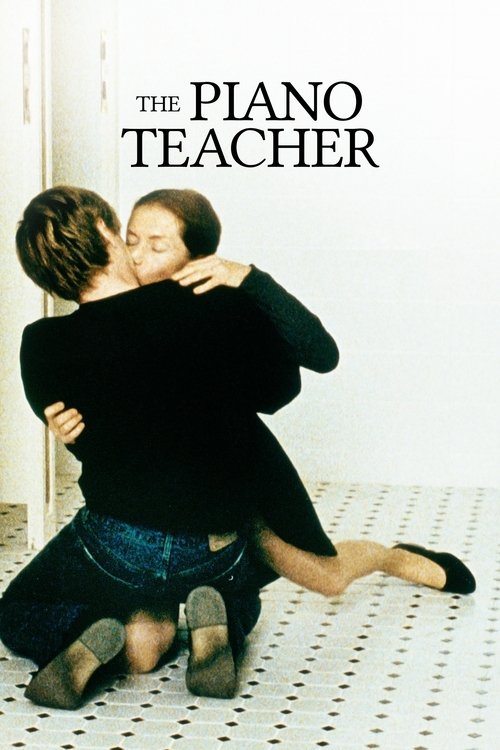
The Piano Teacher6.0March 27
A sane person who can clearly distinguish right from wrong would not accept to do what Walter does. Not even close. Walter is 17–18 years old in the film. He is old enough to know that what Erika is asking for in her letter is deeply disturbed, self-destructive, and dangerous. He literally says it out loud: she needs “serious help.” He is shocked, disgusted, and even mocks her afterwards. And yet he still chooses to go to her apartment, follow her explicit (and extreme) instructions, and then crucially continue when she is literally begging him to stop . That is not “granting her wishes.” That is assault. Did he do it to genuinely fulfill her fantasy, or for himself? It is overwhelmingly for himself. He is turned on by the letter (the power it gives him, the taboo, the chance to dominate the cold, superior teacher who had previously humiliated and rejected him). He is young, sexually frustrated in his own way, and sees this as a golden opportunity to reverse the power dynamic: the “perfect” woman who shamed him is now offering herself to be broken. When she panics and withdraws consent during the act, he does not stop. He does not check in. He does not show care. He finishes what he started, leaves her bleeding and destroyed on the floor, and walks away almost casually. This is not love, not compassion, not even honest curiosity. It is lust , need for control and male entitlement meeting a woman who handed him the perfect script to justify his violence. Haneke shows this very deliberately: Walter is not a hero who “opens her eyes.” He is the other half of the same sick system ( where corn by the way play a huge impact) The film does not use his age as an excuse. Haneke is not saying “boys will be boys.” He is showing how even a relatively “normal” teenage boy, when faced with a woman who seems to be offering total submission, can cross the line into cruelty because he refuses to be humiliated or rejected. The whole point of The Piano Teacher is to denounce decades of sexual frustration , emotional deprivation , extreme maternal control, the total absence of a father figure , the toxic cult of perfection and self-control that eventually consumes the woman from the inside and eventually the male response to that broken woman . So no, a mentally healthy person would have seen the letter, recognized the cry for help, and either walked away or tried to get her actual professional help (even if imperfectly). Walter did neither. He used her, punished her for daring to want something, and then discarded her. Neither of them is innocent in this tragedy.