Skip to content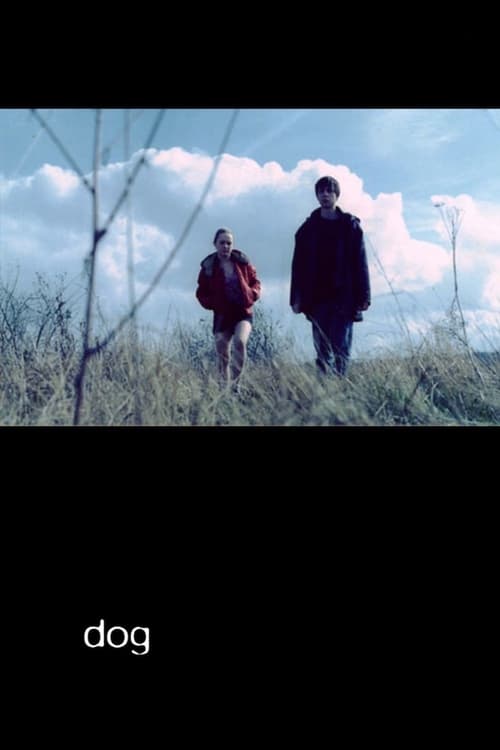

Recent activity
Dog5.7July 6, 2025
andrea arnold captures what it feels like to be a lost cause as a teenager. she managed to elaborately visualize the feeling with a setting that's already a lost cause, with people in the background we know we can't help anything to improve their lives, and with attitudes so selfish we often see through their lifestyles. one thing, though. i was disturbed almost at the end of the film. maybe that's why this film was titled dog for that reason. but hey, may we harm no animals for the sake of cinema.
Milk5.8July 6, 2025
"you don't talk much, do you?" she asked. "that's cause i keep it all in here," martin pointed his head with his index finger while he drove. "i don't talk much... but i think a lot," he said. "and i watch. i watch people," he continued. i resonate a lot with martin's response because i know it's all in my head but i always have this limited language to speak with eloquence... or maybe i do have the language now, but never the confidence to be vulnerable around people. he was a guy along the way you never would've expected to be someone who brings comfort. but this comfort is so awkward on a personal level—something unusual even on a surface level. a mother's mourning is another level of mourning. you face grief for a newly born child she didn't even get to say hello to. you face pain indecipherable to a man. you face routineless days with no apparent reason to have. it's a film that lualhati bautista would love to see and witness this film—a feminist for a feminist. a gateway to a mother's life, i'd say.
Wasp8.6July 6, 2025
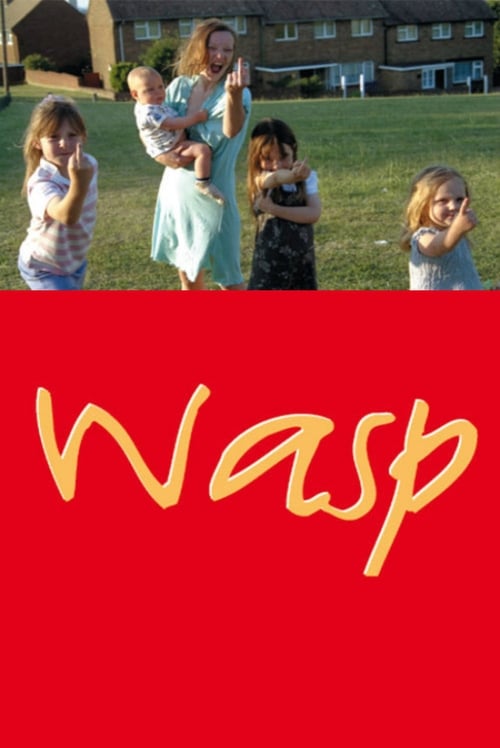
this is why i appreciate books because i can directly enter someone's mind—the exploration of their thoughts about what matters or what doesn't matter... or what keeps them hopeful or what keeps holding them back. but this is the beauty of cinema—to give the abstract a concrete block of moving images for emotions to flow, linger, and reside. poverty is something universal across the globe, and a british town is not excused from this reality. it's another form of a lost cause embodied by a mother of four children with no spouse, no money. no nothing. it's like no one is there to help you navigate motherhood below the poverty line, as economics would describe. a penny or two doesn't even do justice to a maternal love for her children to be fed with crisps and a glass of coke—something we consider unhealthy, but this is out of desperation. and i can't help but feel a pang inside me as i wonder what it's like to be a woman seeking love, to be a mother who leads motherhood without a partner, and to be asked out once again after years without the judgment surveilling every edge of the town. it lifted something in me, knowing there's still a hope despite the mess occupying the desolated spaces. andrea arnold once again directed a short film so impactful i wish it was longer than expected.
Kiki's Delivery Service9.5July 3, 2025
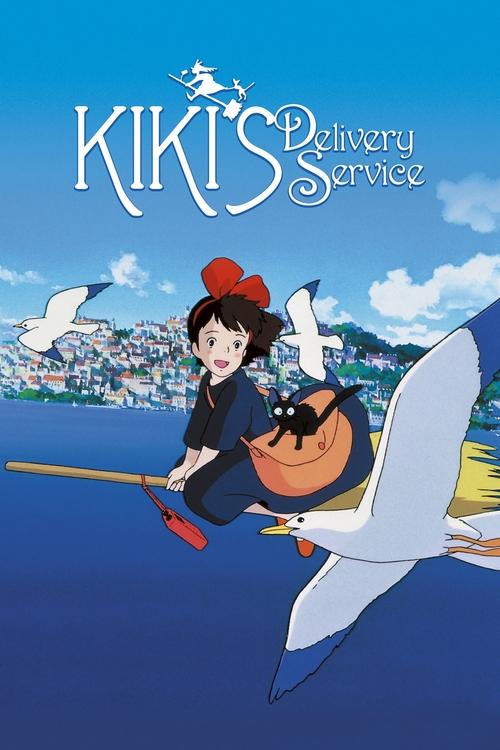
to be an adolescent navigating in a big town. to be an adolescent with big dreams. to be an adolescent making mistakes. kiki resembles so much of a kid who's eager to get old and do activities only performed by adults. she often makes mistakes along the way—something we can never avoid as we grow. i genuinely love the youthfulness hayao miyazaki designed kiki with, and i adore the recklessness the plot embodies. it's something studio ghibli specializes in—a magical allegory of what means to be a kid, what it means to frolic on the grassy fields, what it means to have friends, all without dismissing life lessons. i can never forget jiji too! god forbid, a boy wants a black cat—a fluffy void.