Skip to content

Recent activity
The Devil Wears Prada 24.0May 12
**Twenty years later, a sequel arrives that partly repeats what the original film already did, causing some events from the first movie to feel somewhat ignored.** The Devil Wears Prada 2 is the twenty-years-later sequel to the 2006 film. This sequel is once again directed by David Frankel, who also directed the original movie. With the fashion world becoming increasingly digital, Andy Sachs (Anne Hathaway) and Miranda Priestly (Meryl Streep) must once again work together to keep up with all the changes and keep their version of the fashion magazine publishing industry alive. This twenty-years-later sequel focuses on how newspapers and magazines are gradually becoming outdated due to the digital world, where news and new fashion trends can be found online faster and more conveniently. However, beyond that, the sequel brings little that feels truly new, making it ultimately come across as an unnecessary continuation. Seeing the entire original cast reunited again does play nicely into nostalgia, but in retrospect it feels as though many of the developments and changes the characters went through in the first film no longer really matter. Aside from the topical theme of the changing world of magazines, the story can therefore feel repetitive at times. Most of the characters, aside from a few minor adjustments, largely seem to be playing the same roles they did twenty years ago.
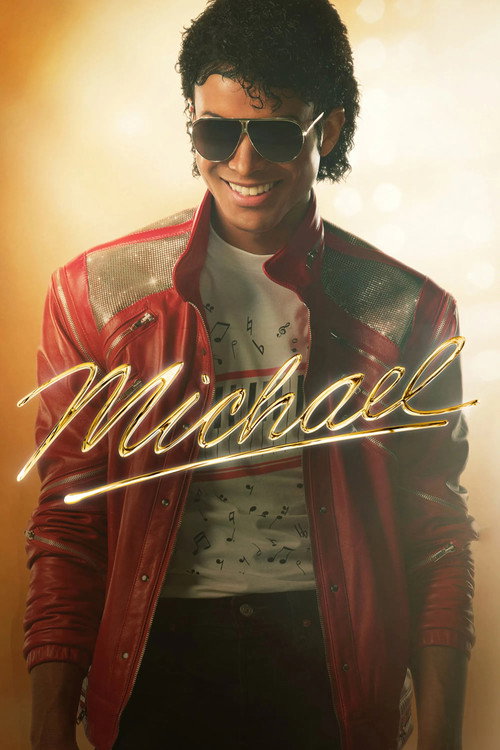
Michael5.0May 12
**Biography about Michael Jackson and his escape from his father, and how he independently broke through in the music world.** Michael is a musical biopic about the early years of the King of Pop. The film is directed by Antoine Fuqua, known for films such as The Equalizer and Training Day. Young Michael Jackson (Juliano Valdi) performs together with his brothers in the popular pop group The Jackson 5. Their father, Joseph Jackson (Colman Domingo), controls all of their actions with a strict hand. As Michael (Jaafar Jackson) grows older, he tries to stand up to his father in order to turn his own creativity into a solo career. While building his own success, he grows into the new King of Pop, but the shadow of his father continues to hang over him. This biopic mainly focuses on the beginning of Michael Jackson’s career and how he broke away from his father to create his own musical direction. Originally, there were plans for a longer film that would cover more events from his life. Due to rights issues and opposition from some producers, including members of Michael Jackson’s family, the film was shortened to cover events only up to the late 1980s. Because of this, it can sometimes feel like a fairly standard musical biopic. Some moments feel rushed or are skipped entirely. The film ends at the point where he has become independently successful in the music industry. The later, darker events of his life are not explored, which can make the film feel somewhat like an incomplete biography. Jaafar Jackson is actually Michael Jackson’s nephew and not an experienced actor. Despite this, he delivers a convincing portrayal of his uncle. In scenes where he works on creative ideas and dance moves for music videos such as Thriller and Beat It, it sometimes feels as though you are watching real behind-the-scenes footage. He successfully recreates Michael Jackson’s dance style and vocal moments. He comes across as a lost, lonely, but also spoiled child trapped in an adult body. Colman Domingo gives a convincing performance as Joseph Jackson: a father who wants to guide his children, but also tries to maintain control over their lives and choices, often with his own financial interests in mind.
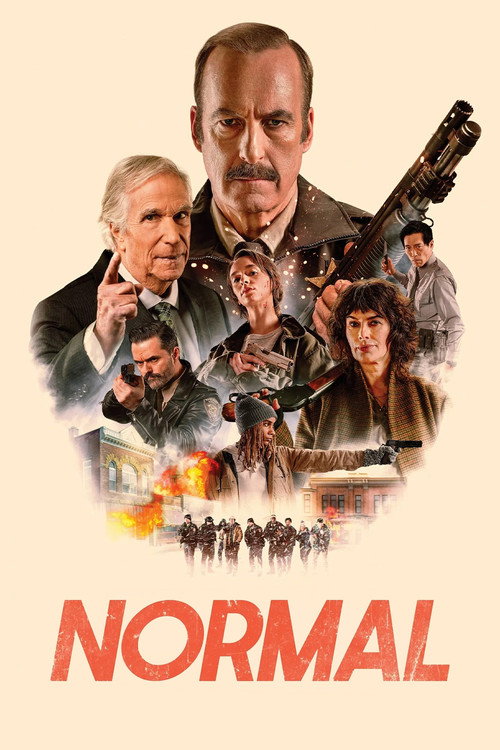
Normal6.0April 23
**A typical, standard action thriller with predictable but entertaining action moments.** Normal is a new action thriller directed by Ben Wheatley, the director of Free Fire and Meg 2: The Trench. Ulysses (Bob Odenkirk) serves as a replacement, low-profile deputy sheriff in the town of Normal. Here, he hopes to escape his own problems. However, when Ulysses learns about the town’s dark and criminal secrets, he is forced to confront the criminals behind these crimes. The only problem is that he doesn’t know who he can trust in the town. Following Nobody and Nobody 2, this marks the third action/crime thriller starring Bob Odenkirk. This film, however, ends up feeling more like a standard, straightforward action thriller. The first half focuses more on the main character getting to know the town and its residents, which can make the beginning feel somewhat slow. Once the hidden crimes are uncovered, it shifts more into an action film, where the main character must almost single-handedly take on the criminals and their henchmen. Despite being somewhat predictable, with many moments and outcomes easy to foresee, it remains an entertaining action movie. Bob Odenkirk delivers a solid and fitting performance as a helpful deputy sheriff who genuinely wants to get to know the townspeople and assist them wherever he can.
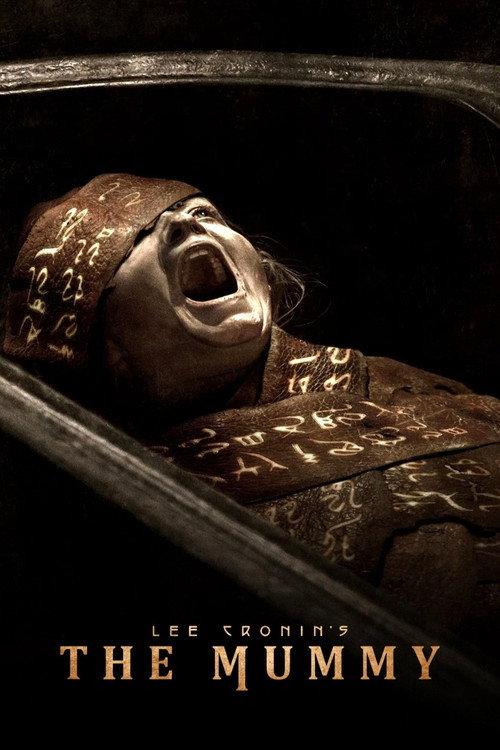
Lee Cronin's The Mummy4.0April 22
**Lee Cronin weaves together many different horror elements, but in doing so overshadows the Mummy aspects.** The Mummy is a reinterpretation of the original monster film from 1932. This reboot is directed, written, and partly produced by Lee Cronin, the director of Evil Dead Rise. When their daughter Katie (Natalie Grace) goes missing, her parents—journalist Charlie (Jack Reynor) and nurse Larrissa (Lala Costa)—set out to find her. However, when the investigation reaches a dead end, they give up the search. Eight years later, Katie suddenly reappears and returns home. During this reunion, her parents soon discover that something is wrong with her. After the success of Evil Dead Rise, Cronin wanted to take on another horror franchise and turned to The Mummy. He stated that he aimed to combine elements of the horror film Poltergeist with the mystery film Se7en. In addition to references to these films, he appears to have drawn inspiration from others as well. This version of The Mummy also brings to mind horror films like The Exorcist and Evil Dead. However, these many influences and elements overshadow the Mummy aspects, making the film not always feel like a true Mummy movie. As in Evil Dead Rise, Cronin fills the film with gory and bloody horror elements. However, the film ultimately feels more like a gore-focused horror than a truly frightening one. These effects, such as blood and vomit, do not always come across as believable. Compared to Evil Dead Rise, the use of CGI is also more noticeable here. Unfortunately, the film is not very detailed or well-developed in its writing. Not all of the questions it raises are answered. You get a general idea of what happened, but not a clear explanation of why. The cast delivers solid and fitting performances, but they are not always supported by the strongest script. Characters frequently make choices that do not feel logical or realistic. For example, it raises the question of why they do not seek medical or religious help sooner when confronted with unexplained situations.