Skip to content

Nicholas Ipswich
@nickyboi
Biased to films which make me feel a feeling. Check out my elaborate reviews!
Recent activity
The Irishman9.0September 24
Touch of Evil8.0September 20
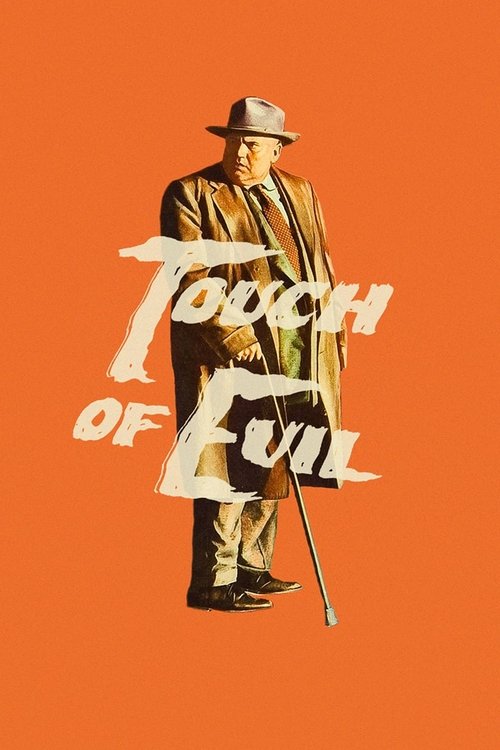
Orson Welles said "hold my drink" to the entire concept of a film noir opening and then just... didn't miss. That single unbroken take through the border town; car, bomb, banter, doom; all stitched into one relentless glide, is cinema doing a magic trick in front of you and daring you to blink. No cuts, no mercy, just vibes and dread. Absolutely unhinged for 1958. Absolutely correct. The camera work here is the main character, low-key. Welles shoots like he's got something to prove; oblique angles, ceilings creeping into frame, a ten-person hotel room scene blocked with the precision of a chess grandmaster who also does parkour. The flashlight scene with Janet Leigh is a black-and-white masterclass in contrast, and the Ritz hotel confrontation with Grandi is shot so shaky and close it feels like found footage decades before that was a genre. Genuinely unsettling. Genuinely ahead of its time. Welles as Quinlan is the whole meal. Bloated, weary, morally rotted from the inside out, and somehow you can't look away from his face for a second. It's a performance built on stillness and menace, not theatrics, and it's the best thing in the movie by a mile. Heston as Vargas is... fine, given the obvious elephant in the room of the casting. The conviction is there; the accent is not. Product of its era, noted and moved past. Marlene Dietrich, meanwhile, shows up for maybe ten minutes total and just walks off with the film's ending like she owns the place, which, narratively, she basically does. Real talk though: the theatrical cut (shoutout Tubi) muddies itself in spots. Some of the border-town chase sequences and overlapping dialogue get so dense you lose the thread of what's actually happening and why. It's a film that trusts its atmosphere more than its clarity, which works about 85% of the time and leaves you squinting the other 15%. That ending stretch, though, Quinlan and Vargas circling each other like two predators too tired to finish the fight properly, is masterful. Messy pacing and all, it lands. This is a first-watch, theatrical-cut rating. I know the restoration is sitting right there being better, probably. I know I left cinematography details on the table because I was too busy chasing plot threads. Rewatch incoming. For now: essential, flawed, unforgettable. Four stars.
Neon Genesis Evangelion10.0September 19
Amadeus10.0September 12
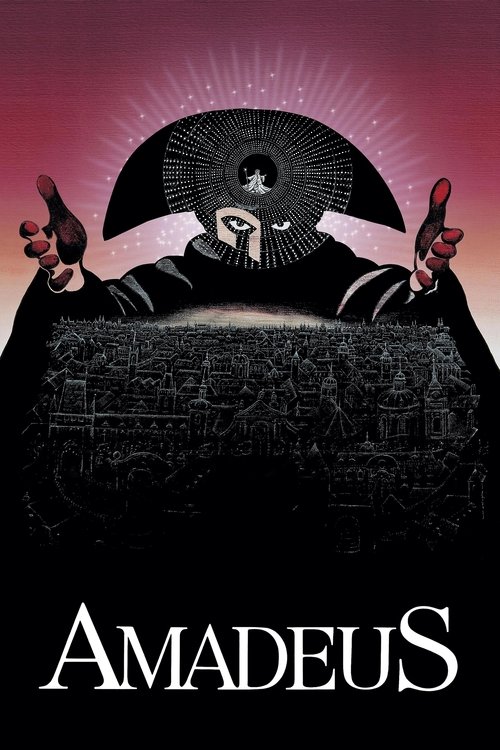
Rewatched Amadeus a decade-plus after the first watch and the jealousy hit different this time. Like, worse, in the best way. Fifteen years ago I was floored by the music, dazzled by Mozart's chaos-genius, watching it all through Salieri's green-eyed gaze. This time around, older and with my own stack of L's from watching someone else get the credit for the work I bled over, it landed somewhere much deeper. This film gets that specific ache; pouring your whole soul into something only to watch it get outshined by someone who didn't even try that hard, better than almost anything else in cinema. That's not a small trick. That's the whole movie, and it's why it deserved every Oscar it got. The craft is criminally good. The cinematography, the costumes, the sheer grandeur of Vienna; it all builds a world so lush it practically breathes. This is a modern classic in the truest sense, and it's got real Barry Lyndon DNA running through it: same obsession with beauty as its own kind of storytelling. And it reignited something in me for opera that I didn't know had gone dormant. F. Murray Abraham is not acting, he's possessed. Young Salieri's simmering envy and old Salieri's haunted, hollowed-out confession are two different performances that somehow live in the same body. Watch his hands, watch his eyes when he's remembering; that's a masterclass. The old-age makeup alone should have its own trophy shelf. And that ending. Salieri's hatred finally cracking under the weight of the music itself, helping his rival compose the Requiem from his deathbed; the screenplay stages this like a chess match between mediocrity and genius, and genius wins even while dying. When Mozart begs forgiveness for never truly seeing Salieri, right after Salieri quietly engineered his ruin, that gut-punch is almost too much to sit with. Because that's the real trick here: this isn't a Mozart biopic. It's a Salieri autopsy. A film about staring at greatness up close and realizing you'll never touch it, no matter how hard you claw. As one review nails it, the film is really about the ordinary man smart enough to recognize genius but never possess it, and that's a feeling almost everyone can relate to, way more than actual genius ever could be. That final unhinged cry from the asylum, "Mediocrities everywhere, I absolve you!", is the most perfect needle-drop of an ending a character study could ask for. Also: shoutout to Criterion for the 4K restoration. The film looks so alive now it barely feels 40 years old, and its themes about envy, art, and worth hit even harder in the current algorithm-brained world we're stuck in. An operatic descent into madness for two men who never fully see each other clearly, told with a screenplay so tightly wound it borders on symphonic. One of the great musical semi-biographies, one of the great character studies, full stop. Endlessly rewatchable, endlessly devastating. 5/5. No notes, just envy.