Skip to content


Recent activity
OffsideJune 6
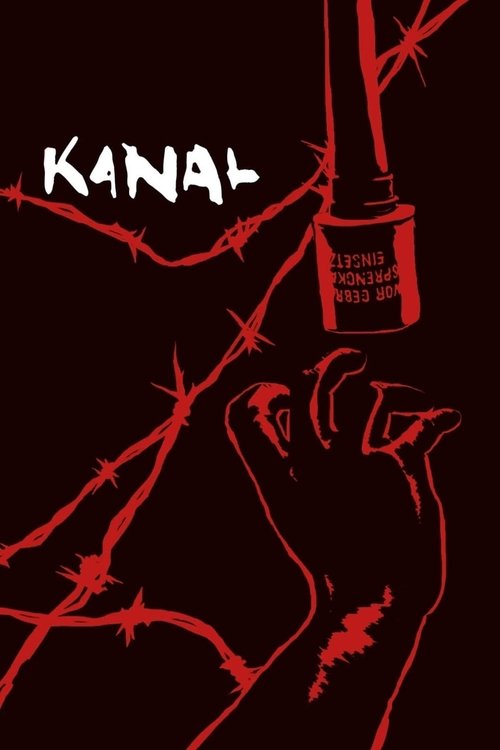
Wow. Just wow. This is my second Jafar Panahi film (after the amazing “it was just an accident”). Panahi always creates a film that feels so very alive, there’s never a dull moment in his films. You almost become embalmed in the films while seeing them. You become a part of them. His films beg you to ask questions, over and over, one after the other. This movie forces the viewer to ask a continuous barrage of questions, because it wants you to question the very genesis of societal norms. It wants you to reach the very core of the problem. The prisoners aren’t just the girls, but also the soldiers. Both deliberately isolated from society by the state, by the regime. The soldiers too, are in a prison. The jail-cell like bars on the exits of the stadium, which the soldiers are peeking through to watch the game are amazingly placed. Somewhat reminiscent of Andrzej Wajda’s cell like bars towards the end of “Kanal”. Although the message each cell gives is very different. But the core of each is same — A prison at the edge of freedom. And the girls? They live in a prison inside of a prison. Beautifully metaphorical of what society truly is. The prison is the state, the regime. The imposed will of the regime on the people. The men who want to go back home to their mothers and their cattle, but cannot. The orphaned boys rejected by their fathers, and their people. Women are held captive not only by the state, but also by society itself—its culture, its sense of what is “right or wrong for a woman to do, hear, wear, or see” And the ending is especially beautiful. Both the groups unite in the shared cheer and happiness. That shared joy, unification, and sense of human togetherness is the strongest act of rebellion against the oppressor. That is the seed, and the soil, the sun and the water. The life that will be born. The life that was always meant to be. The only sport that can unite people like this is football. The shared sense of belonging, to the nation and to the people, and to the world. The world’s game.
A Touch of SinJune 3
Bold. Extremely blunt. Quite literally a shotgun shot to the head. I approached this film expecting something like Jafar Panahi’s “it was just an accident”. Panahi does a masterful job of inciting conflict in the very soul of the viewer. To me, this film does not force you to ask questions, it forces you to look at the answers. This film does not serve to incite conflict, it is the conflict. I completely agree with the “surreal realism” part that is talked about in most discussions of this film. But to me, this isn’t just “surreal realism”, it goes beyond that. All four accounts are based off of true stories. This is the true underbelly of china’s “state-capitalism”. This movie isn’t a criticism of communism at all. Instead, it serves as a warning to how we cannot treat communism as capital’s antithesis. There can be no synthesis between communist and capitalist society. To me, this film serves as a testament to Trotskyism. This film does not ask the question that “is there truly a touch of sin in all?” This film answers it. And the answer is yes. You could be the man who betrays his people, the corrupt village chief, the rapist, the murderer, the one who kills for no reason, the man who wants to fuck whores. You could be the person beating a man to his death. You could be the one jumping off of a ledge. It is in your heart that you have to find the strength not to be.
Peter Hujar's DayJune 2
This movie is the literal embodiment of a rainy night where you’re comfortable in bed or anywhere else at home really. Superb acting performances. Each frame feels so beautifully crafted. Very beautiful, very intimate, very I did not understand the mozart playing and the fourth wall breaks.
The ChoiceJune 2
The irony of the west looting and destroying the continent, damaging the very soul of the African continent and its people, and then wearing the thin veil of aid; behind which is still the ugly truth of colonialism. But this film is about so much more. Love, jealousy, loss, growth, new beginnings, fatherhood, motherhood, patriarchy, family, friendship and most importantly, hopes for a better future. I wish that there was a deeper dive into other themes alongside love and jealousy as well (but both of these have been explored beautifully here).