Skip to content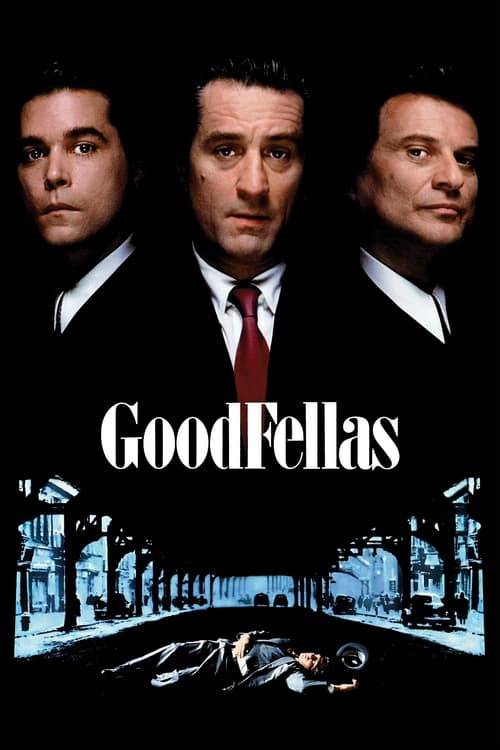
Recent activity
GoodFellas10.0July 10, 2025
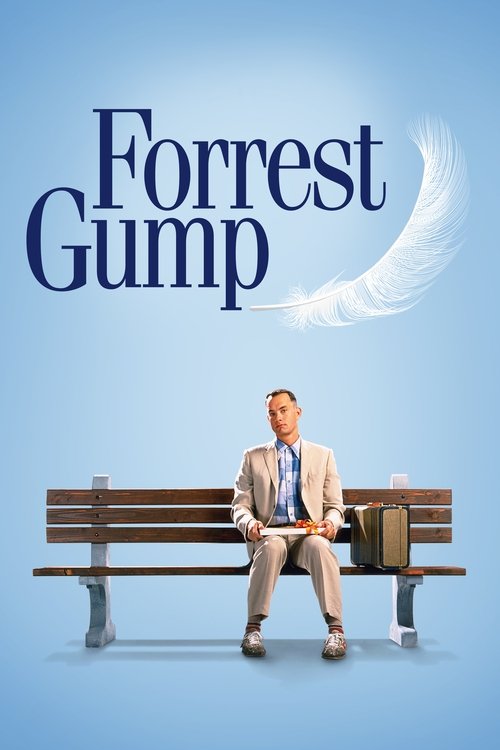
Forrest Gump9.9July 10, 2025
A masterpiece of storytelling. Tom Hanks delivers one of the most heartfelt performances in cinema history, making Forrest an unforgettable character. The way the film weaves personal struggles with historical moments is genius, creating a deeply emotional and inspiring journey. It’s funny, tragic, and uplifting all at once, with a soundtrack that perfectly captures the essence of each era. No matter how many times you watch it, it never loses its magic.
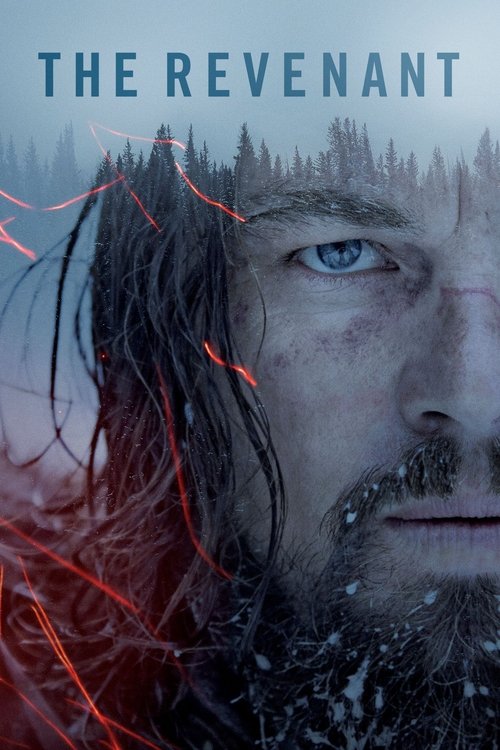
The Revenant9.9July 10, 2025
The Revenant is nothing short of a cinematic masterpiece, a film that immerses you in the raw, unforgiving wilderness and the fierce human spirit battling against all odds. Alejandro González Iñárritu crafts a visceral experience that is as much a tribute to the past’s rugged endurance as it is a modern technical marvel. Leonardo DiCaprio delivers what I’d argue is one of his most intense and committed performances to date. His portrayal of Hugh Glass, a frontiersman left for dead after a brutal bear attack, is not just about physical survival but a soul’s relentless quest for justice and redemption. The film’s almost relentless pace and stunning long takes, captured by Emmanuel Lubezki’s extraordinary natural-light cinematography, make every frame feel authentic and alive. What truly sets The Revenant apart is its commitment to realism and traditional storytelling. It respects the brutal hardship of the frontier life without glamorizing it. The silence of the wilderness, the harsh cold, the rawness of pain—everything is presented with a haunting honesty that lingers long after the credits roll. I give The Revenant a solid 9.45/10 because it’s nearly flawless in its ambition and execution, though its slow, immersive style might test some viewers’ patience. Yet, that deliberate pace is what gives the film its profound weight and timeless quality. This isn’t just a survival story; it’s a meditation on human resilience, the will to fight, and the echoes of vengeance.
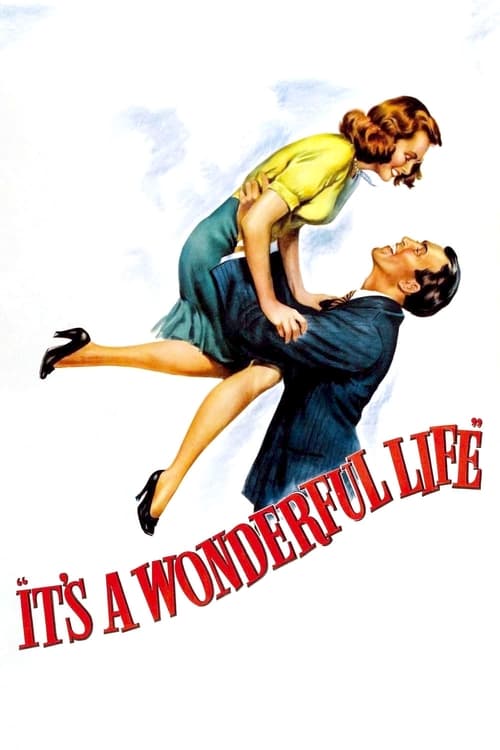
It's a Wonderful Life10.0July 10, 2025
Some films stay with you because of their beauty. Others because of their truth. It’s a Wonderful Life stays with you because it holds both — beauty and truth — in perfect balance. Frank Capra’s timeless masterpiece tells the story of George Bailey, an ordinary man whose life doesn’t go the way he dreamed. He gives up travel, ambition, and opportunity to care for his family, his town, and anyone in need. And as the years pass, those small sacrifices pile up into something he can no longer carry. James Stewart gives perhaps the most human performance ever put to screen. George is kind, funny, frustrated, noble, broken — all at once. He’s not a hero in the cinematic sense. He’s a man slowly being worn down by duty, until he begins to wonder if his life has ever truly mattered. And that question — “What good have I really done?” — is what makes the film so powerful. Because the answer, as the movie shows with astonishing grace, is: more than you’ll ever know. When the angel Clarence appears, the film takes a turn — not toward fantasy, but toward clarity. George is given a rare and painful gift: to see the world as it would be without him. And what he sees is shocking. The kindnesses he thought were small changed lives. His presence held a whole community together. Without him, Bedford Falls crumbles into something cold, joyless, and cruel. The genius of this idea is how quietly radical it is. It’s a Wonderful Life argues that a person’s worth isn’t measured by money or adventure or worldly success — but by love. By daily, invisible acts of goodness. The film isn’t asking you to change the world. It’s asking you to be decent. Steady. Compassionate. And that’s enough to hold others up. Visually, the film is simple but deeply expressive. Bedford Falls feels alive. The snow seems to fall not just on rooftops, but on hearts. Capra’s direction never tries to dazzle — he lets the emotions do that. Every scene breathes, every silence says something. And when George finally breaks down on the bridge, ready to end it all, the film offers no easy fix. Just a second chance. A second look. A return to the same life — but now seen with grateful eyes. This, perhaps, is where the film quietly touches on something deeper. Not in preachy terms, but in the way it reminds us — gently, without insistence — that our lives are not accidents. That we matter. That even when we feel forgotten, someone is watching. It’s a film that reflects, just once and with humility, a deeply Christian truth: that every soul is precious, and no act of love is ever wasted. In the end, when George runs through the snowy streets shouting “Merry Christmas!”, we feel it. Not as a happy ending, but as a resurrection. He hasn’t escaped his life — he’s reclaimed it. He sees now what it really was: not a trap, but a gift. It’s a Wonderful Life doesn’t need to shout. It doesn’t need to preach. It simply tells us, quietly but firmly, that goodness matters. That kindness echoes. And that no one is truly alone.