Skip to content

Pretentious
@pretentious
For those with a smidgeon of cinematic curiosity, (*I guess*) this is how I rate movies. In all honesty, I just don't want to repeat myself over and over and over and over and over again. Like, if I rate something, it's just how I felt at the time. And then we can delve into the film's hidden meaning(s). Simply think of it as love versus cruelty (a better terminology would be thoughtfulness versus thoughtlessness, because I'm trying to examine such a wide range of movies). To some extent, you gotta love the circular logic I'm pulling out of my ass to justify these ratings. *5 Stars: Cathartic; Amor Fati; universally beloved, and passes academic scrutiny; deeply personal to the filmmaker, but not out of touch with reality; these films made me feel every emotion that I've ever suppressed. After that, I examine their innovation in cultural significance, historical importance, or aesthetic pleasure. The highest-rated movies aren't based on entertainment purposes. Values empathy, community, liberation, and experience. 4.5 Stars: Underrated, or it's Oscar bait, a critical darling, Palme d'Or winner or nominee (or insert film festival here). Basically, you get the idea. Additionally, the films may be groundbreaking on some technical level, but contain dated ideas for modern audiences. Based entirely on animal logic, life as an unhealed wound, lacks catharsis but regulates the emotional tempo. 4 Stars: Classic; extremely unique; expertise on display; poses a question and answers it, no matter how deeply stupid it might be. Cinematographer/art director has a strong grasp of visual storytelling. 3.5 Stars: Problematic, or made me cringe. Or a popular film with cultural impact, technical proficiency, and innovation, but remains cliched or mechanical. Perspective influences perception, and perception forms the ideology. Such as conditional love or possessive love. 3 Stars: Popular. Predictable. Cultural Nihilism. Recency bias. Repetitive in allegory/motif/metaphor. A popular film of that genre from the era. Endlessly argued as the greatest film someone has ever seen. 2.5 Stars: Polarizing, so love it or hate it! Amateur hour! Films have DTV vibes or rely on exploitation to communicate their ideas. Just all over the place. Maybe it's the extreme emotional manipulation. Batshit crazy! 2 Stars: Disappointed. A big letdown, or dull and boring. First-time or student filmmaker. The semblance of a movie, unclear motivations. Why did I feel like I was being trolled? 1.5 Stars: Brainrot! Content. Slop. Inconsistent tone and mood. Huge logic gaps in storytelling. Painfully unfunny or endlessly hilarious, there's no in-between! 1 Star: Trash. Hotly debated. 0.5 Star: Cruelty; dementia-like visual storytelling; relies on pain and suffering to motivate the storyline. Think, "all who draw the sword will die by the sword" logic. Ironically, this may affect the viewer as well. Legitimately cures insomnia.* Since just applying one rating doesn't get the full picture of the film, I need to add four subsections: Depth = Hidden meanings (Context, Meaning, Subtext, Themes, Contradictions, Ideologies, etc.) Heft = Influence, Culture, History, and Ambition Craft = Directing, Writing, Editing, Production, Music, Special Effects, etc. Personal = Aesthetic pleasure, did it pull me in?
Recent activity
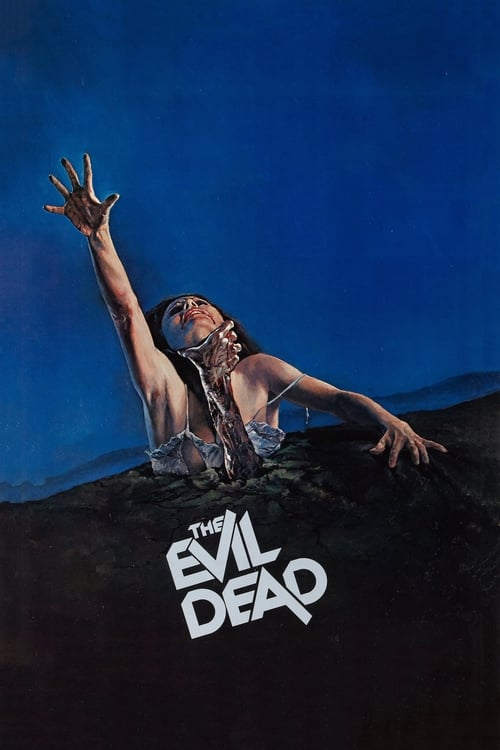
The Evil Dead6.0July 14
*The Evil Dead* abandons any legible character development, which explains why I have a difficult time being emotionally engaged. It’s just a supernatural assault; Raimi's cinematic spirit survives the many dimensions of the film. Almost all *Evil Dead* films take ideas from other movies and transcribe them into something new. With *Evil Dead*, the film takes the craftsmanship of *Night of the Living Dead*, the aesthetic look of Regan from *The Exorcist*, and the Gothic dread from 1960s horror films, such as anything with Vincent Price. Here becomes the problem: by examining Romero's structure of *Night of the Living Dead*, Romero's film exposes a racial and political fracture within society. By contrast, Raimi's films have no comparable social argument. *The Evil Dead* exemplifies the bare-bones spirit of low-budget filmmaking. The production itself becomes inseparable from the film’s meaning. Every frame of the finished movie carries that anguish of creation. The roughness doesn’t simply reveal a lack of resources; it records a group of young filmmakers attempting to overcome those limitations via aggression. That aggression bleeds into the camerawork. Before *Evil Dead*, it was uncommon for the camera to move the way it does. Those 1960s horror films sought to use the camera to protect the audience by shielding the potential violence on screen. Raimi’s lens, by contrast, is a madcap fugitive, careening through the woods, smashing the fourth wall, battering down the door between audience and nightmare. As a result, the film establishes a breakdown of boundaries and a sadistic sense of humor. While the situation is horrific, Raimi exaggerates the repetition of scenes so that terror becomes ridiculous. Of course, *The Evil Dead* is, without question, gnarly as fuck, but it also has an extraordinarily sly sense of humor. Forget punchlines; instead, a character suffers an extreme injury, and one attempt to restore control immediately leads to a fresh catastrophe. The practical effects are riotous: wounds gush with unidentifiable fluids, Deadites collapse into heaps of goop and clay. Since the effects look visibly handmade, they help create a grueling atmosphere. The result is a carnival of bodily mayhem, equal parts grotesque and gleeful. This obsession with bodily defilement is pure *Exorcist* territory. Both films turn the possessed women's bodies into acts of abjection. But where Friedkin invokes theological dread, Raimi revels in the chaos. *The Evil Dead* treats it as an opportunity for ever-wilder metamorphoses, each Deadite a grotesque jest at humanity’s expense. The Deadites exist to violate and parody. That’s why the film’s notorious tree assault scene is both its most potent and most problematic moment. While the scene literalizes the film’s recurring transgression, it also exceeds the movie’s capacity to control its own tone. Sexual violence carries a specific cultural and emotional meaning that makes the film lawless, anarchic in spirit. That lawlessness becomes ugly fast when the scene is treated simply as an act of escalation. Transgression provides a useful framework for understanding these images. Still, the tree assault lays bare the film’s central tension. Raimi wants the audience to believe that no boundary remains sacred. It fits the film’s obsession with penetration and possession almost too clearly. The problem is that the movie uses rape primarily to prove its extremity. Cheryl’s trauma receives no emotional development because the possession immediately replaces her personality. Her violation becomes a promise about how outrageous the film is willing to become. Ultimately, the price of this outrageousness is empathy, traded gleefully for shock. Raimi’s humor doesn’t soothe; it curdles the terror, making the film’s universe feel actively hostile. The Deadites cackle at human misery, and the movie dares the audience to join in. We become partners in crime, wooed by the inventiveness of cruelty even as we recoil from it. That’s the dark genius of *The Evil Dead*: it’s an endurance test, a funhouse mirror that asks how much agony you can stomach before disgust flips into delight. Its famous claim to offer an ultimate experience in grueling terror describes both the characters’ ordeal and the audience’s participation. There is no safe distance; the movie drenches the audience in syrupy gore and dares you not to gag. The original remains the series’ purest ritual, stripped to the bone, a fever dream where nothing survives except the carnage and the will to keep going.
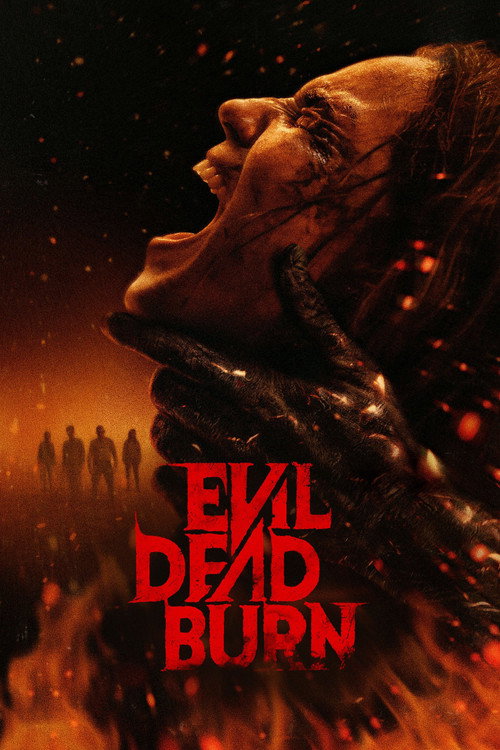
Evil Dead Burn5.0July 14
There’s a strong idea buried under all the blood: date a man who refuses to confront the fact that he received no love as a child, whose mother suffered greatly at the hands of his father, and eventually you may be forced to pay for wounds you never caused.
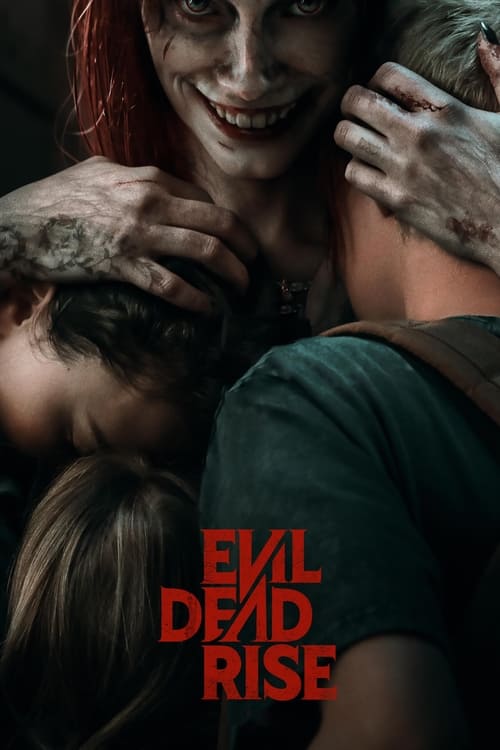
Evil Dead Rise6.0July 13
Ritual always seems to be a part of the pleasure. Motherhood represents a chalice brimming with destruction. This abjection of motherhood comes from the surrounding zeitgeist toward motherhood and, to some extent, childbirth. The mother, traditionally imagined as the age-old matriarch, becomes the force that dissolves it. Beth's pregnancy creates a parallel problem. Once the Deadites attack, her pregnancy transforms into a theme about maternal courage. Beth’s journey to protect Kassie forces her to dig up a maternal instinct she’s not sure she has. This comes at a cost; while Beth learns to endure pain, she has to transform that insecurity into inner strength. Think, “reassurances require dishonesty.” That conversation fumbles the question it's asking: "Is Beth ready to become a mother?" The script converts survivability into maternal readiness. *Evil Dead Rise* tells Beth that motherhood resides inside her because the structure requires a reassuring answer. The Deadites should challenge that answer more directly. Deadite Ellie represents maternal resentment, while Beth represents emerging maternal responsibility. This opposition could have produced a genuinely uncomfortable argument about whether motherhood requires self-erasure. Can maternal love exist with resentment, or does the demand for sacrifice create the hostility that the Deadite expresses? Instead, Ellie’s resentment belongs to the monster, while Beth’s sacrifice belongs to the hero. The movie separates the two emotional realities rather than allowing them to exist within the same woman. As a result, the maternal theme remains visible but incomplete. This careful choreography comes at a cost, a slight stumble in momentum. Cronin builds a more streamlined narrative, and viewers who favor clear plotting may consider *Rise* one of the most accessible entries. This careful construction sometimes works against the franchise’s energy. The first act suffers most from this indecision. After an effective cold open, the film spends considerable time explaining the family situation. A thematic first act is not inherently a problem. Just think of the 2013 remake; its premise of addiction directly shapes the group’s responses to Mia. Her friends misread possession as withdrawal, which allows the character arc and horror mechanics to reinforce one another. In *Rise*, the family’s woes are set up with care, but once the carnage begins, those emotional stakes scatter like so much spilled blood. The *Evil Dead* films frequently feel alchemical. They violate good taste with camp. Their humor emerges from excess. The best violence in the series changes the character. In *Rise*, the gore often confirms that the movie understands audience expectations. It delivers the appropriate substance in the appropriate amount, then moves to the next scheduled atrocity. This partly reflects the age of the central characters. Because several victims are children or teenagers, the film cannot indulge in the same comic cruelty that Raimi directed toward adults. The filmmakers still place the children in danger and subject them to considerable violence, but the movie is wary of turning their suffering into slapstick. That caution is understandable. It also removes some of the rebellion and anarchy that define the franchise. The final fused creature comes closest to uniting the film’s imagery and theme. The remaining family members merge into a single mass, producing a monstrous imitation of family unity. The family literally becomes inseparable. Their bodies combine into a collective maternal monstrosity that Beth must dismember to save Kassie. The image suggests that the family can become suffocating when individual boundaries disappear. Domestic intimacy transforms into physical entrapment. This should represent the climax of the motherhood argument. Beth faces a monstrous family that absorbs its members and demands total incorporation. She survives by refusing that form of union, separating Kassie from the family mass and destroying the bodies that formerly defined home. Motherhood, in this reading, would not mean surrendering the self to the family. It would mean preserving the child’s individuality against a structure that consumes everyone within it. The narrative reduces those images to a simpler story about Beth discovering that she can protect a child. This split at the film’s core explains why it feels askew. The visual grammar suggests a complicated horror of motherhood and absorption, but the script scurries back to safe territory. Cronin understands the assignment in the most immediate sense. He knows that an *Evil Dead* film requires aggressive camerawork and Deadite humiliation/mutilation. He also finds a strong performer in Alyssa Sutherland, whose Deadite mother gives the movie its most frightening and playful presence. What it lacks is the feeling that the formula has broken loose from its restraints. Where the original trilogy erupted with gleeful anarchy, *Evil Dead Rise* is a masterclass in craftsmanship. Its boldest idea remains caged. Maybe both identities might belong to the same person. That hesitation leaves us with a film that’s skillful, but not quite as wicked as it wants to be.
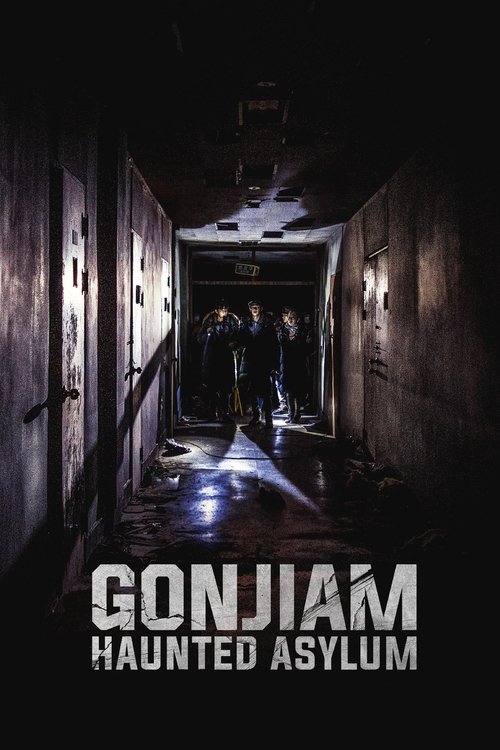
Gonjiam: Haunted Asylum5.0July 7