Skip to content



Recent activity
Coyote vs. Acme7.6November 4
perseverance vs resignation Kevin is a louzy lawyer. He accepts that the system is unfair, and takes whatever compensation he can get, never trying to actually win a trial. Wile E. Coyote never stops trying, even after years of failure. He always continues fighting. Usually to catch Roadrunner, but in this case he is also fighting injustice. The film explores whether powerful institutions should be allowed to exploit individuals for their own profit, or whether individuals should stand up and demand accountability, even when the odds are overwhelmingly against them. The film was genuinely funny at times and I really liked the central conflict and themes. There’s a beautiful irony in Warner Brothers wanting to throw away this movie and people fighting to have it be released regardless. I think the ultimate mystery was a little undercooked and the ending was predictable, but I still really enjoyed it.
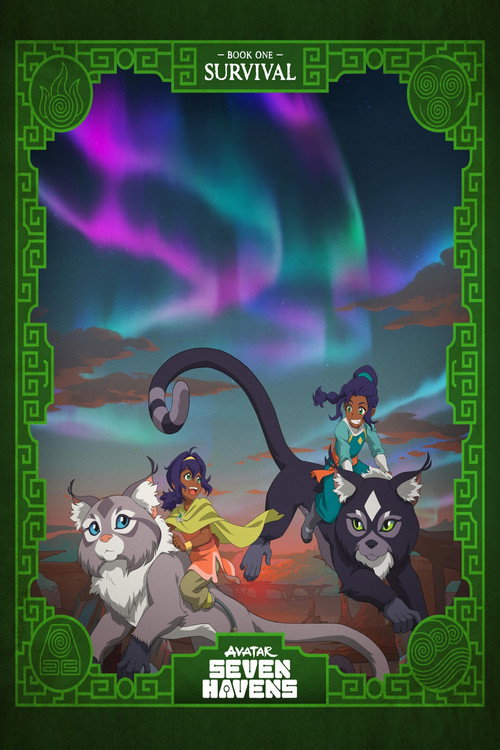
Avatar: Seven Havens · The Faceless7.4November 4
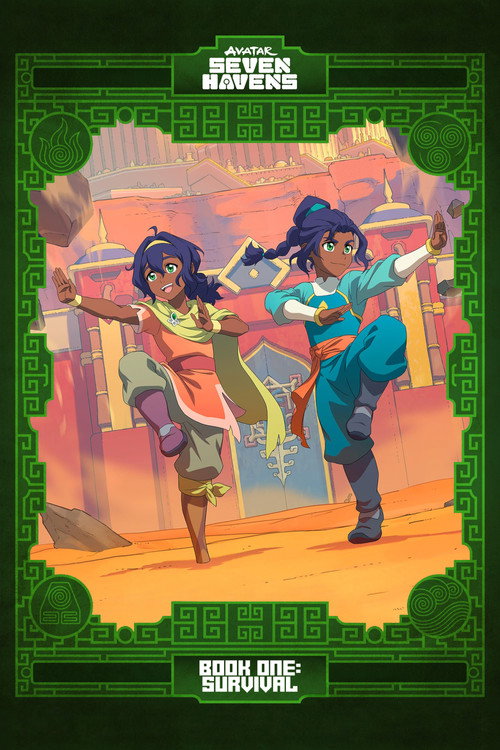
Building a mystery This episode felt the most (out of the episodes thus far) like it is treating the viewer as a 2 year old. I think the jokes aren’t really funny, and the exposition and dialogue is just painful at times. Still, there is some cool action, and I do quite like the building mystery of the faceless and the girls’ parents. I think the development of Nisha being seen bending by Jae’s friend, and his bf being in the White Lotus is interesting. But now that the show is past its introduction, it is clear that it simply doesn’t live up to atla. The world is interesting, but we abondoned the 4 nations and the seven havens concept isn’t quite as meaningful or interesting thus far. The conflict in the world lacks clarity. Like, these girls are supposed to save the world from the storms or something, but it’s unclear how they could ever do so. In atla, it was Defeat Fire nation before Sozin’s comet. I adore the episodic nature in atla, because each episode was both self-contained as well as working in the broader story. And every episode of atla is very memorable, because they usually revolve around a specific location or character. Moreover, each episode tended to have it’s own conflict and theme. Seven havens episodes don’t work nearly as well. The episodes don’t have strong theme on their own. It looks like the broader plot is building towards something sure, but each episode on its own is not very memorable or meaningful.
Avatar: Seven Havens · The Order7.6November 3
Trust and Empathy I liked the bickering between the sisters. And the highlight of the episode was Pavi calming down the cameldillo with her kalimba. That moment Nisha learns that Pavi is talented in different ways.
Primetime6.1November 3
Public shaming and Retribution I think this movie had a lot of potential in its premise. We have this character who believes he is not merely justified, but in fact a hero, for baiting pedophiles and shaming them on television. He believes in retribution. Although his worldview is presented very clearly, we never really get to see the opposing worldview; that of empathy, forgiveness and rehabilitation. There are no characters that philosophically oppose Chris Hansen. The TV executive at the start says he doesn’t like the show, but he doesn’t say it is morally wrong or anything. The producer woman occasionally criticizes Chris, but only because he’s doing a bad job or making her look bad. The morality of the show is almost not adressed. But the one character that does seem to question the morality of the show in the end is Dan Plum (Decoy Dan). I guess it’s nice that the movie recognizes the fucked up nature of the show. But as far as an engaging plot goes, I think the movie lacked real philosophical conflict. There are only 2 moments where Chris kind of is getting challenged. The first when he’s informed about the photos of his affair. For the first time, he will be the subject of public shaming, instead of its assistent. But this moment is not really caused by his show, but just by his affair. The only real challenge to his beliefs comes at the climax when the government official kills himself. But we’re already at the end, so there’s not really any character arc here.