Skip to content


Recent activity
Primetime8.9September 25
Hegemonic masculinity, a term and concept coined by R.W. Connell, refers to the culturally understood and specific form of manhood that carves out men's dominant position within larger societal expectations. This, when coupled with the idea of cultivation theory (essentially stating that when viewers watch media long enough, it changes their personal perspective on the world and the people around them), becomes the explosive combination that allowed Chris Hansen, Perverted Justice, and To Catch a Predator to pervade the common household TV screen and burrow into the minds of viewers everywhere. Chris Hansen feels built in a lab (in this case, a TV pre-production meeting), to be the perfect performance of the hegemonic masculine ideal. He is an above-average-looking white man clad in a sharp suit that is impossible to wrinkle, who refuses to allow emotion to dictate his words and only allows rational thought to prevail, while clenching the true receipts in his fist to rid the world of deviant personalities. He is the closest thing the TV/public ever got to what they thought was a true-blue superhero in real life. With low camera angles giving him a sense of power within the space, he excuses the youth who were to be the primary targets of an unknown but horrific fate and becomes the ultimate protector of the family. He makes these men (often shot in high angles to make them feel small and worthless in the grand scheme) weep and beg for mercy once they realize they're spotlit on television—mercy which he refuses to give. He becomes the Batman-like figure that families can bring into their homes every night to warn children of the inherent danger of the internet, and to cheer for when he decides to bring about public displays of emasculation for men who are stripped of their dignity and power regardless of their background, their families, their mental health, etc. Hansen and his team of cameras refuse to bring nuance or conversation; they smell the blood in the water, and what they want is justice for those who can't protect themselves. This oversimplification of Good vs. Evil, or The Heroic Form of Masculinity (Hansen) vs. The Evil Depraved Deviant Forms of Masculinity (the online strangers), reinforces the idea that the primary threats to children are those who remain faceless on forums and AIM messaging, even though it is statistically more likely that they will find abuse at the hands of people within their own home or people that they trust. But, due to the long-term effects of this series, it has become a cultural norm to assume that the internet is only a place for children to go so they can be violated by a deviant population. We see that this isn't all that it's crafted to be in David Osit's Predators, which came out in 2025 discussing the show and the slew of copycats that followed. The documentary essentially posits that this form of vigilantism is a call-to-action for those having a crisis of masculinity; it's not really an effort of child protection or support, but an aggressive performance of dominance and superiority to showcase their importance to the audience watching. The Heroic Form doesn't actually care about working to document a crime, putting a focus on preventing re-offense, or even ensuring that these various Deviant Forms get the necessary rehabilitation that they need; they largely care about the spectacle it produces that brings them eyes and showers them in likes, awards, and metaphorical gold confetti. They are specifically focused on the commodification of ruin as they strip away all complexity of their prey down to a single monstrous label as a means to generate profit. If this came from something akin to a sense of heroism or empathy, the approach would be similar to Germany's prevention-first model, which allows those who are having thoughts like these to call a number and get the help they need so they don't offend. Instead, these men turn the horrifying compulsions of those struggling with mental illness into something for public consumption and amusement. Who is the predator now? These so-called Heroic Forms (traditionally masculine) skulk along the interwebs and wave grotesque subjects in front of Deviants to explore, so that they can find their "whales" and weaponize the shame into popcorn entertainment? This exact weaponization of TCAP is where Primetime particularly shines. All we saw on the show is the true Heroic Form of Hansen at its best, when he channeled his fatherly authority into the verbal replay of the Deviants' words and got them sent to a police interrogation room. But here, extraordinarily well-acted by Robert Pattinson in his acting prime, we see that behind the scenes he is a vain, obsessive performer who is looking for his next victim to exploit so his ratings can go up and he can finally grab onto that Emmy he's always believed he deserves. His relationship with Merritt Wever's Andie Bender is the strong core of this, as they completely understand and envelop themselves within the hegemonic masculine archetype, sacrificing The Deviant Forms to give the spotlight to Pattinson's Hansen in all of his exaggerated, alpha-male swagger. The film frames this all as the antithesis of journalism; instead, it's an artificially crafted bullying dynamic that directly benefits Hansen by validating his own masculine superiority as the viewers and money keep coming in. And all of this is just a product of himself that he's created, because behind it all is a sad, pathetic man who can't stop himself from cheating on his wife and separating himself from his children to maintain this idea of fame he has built in his mind. And even with all of this, the film maintains a superior grasp of its understanding of this exploitation by also indicting the audience. Skyler Gisondo's "Decoy Dan" serves as the innocent's eyes in all of this, crying in the production room after the realization hits of what he is doing and how he, himself, is being exploited. But this is quickly taken away when he is told to "compartmentalize" and take it in stride, all while he gets love and support from the crew around him that makes him feel like he actually made it. We see him, in real time, stop caring about the true nature of the show and give into the exploitation because it gives him the one thing he has always wanted: fame. This is partnered with the frantic editing and smeared look of early 2000s TV to make sure that media machine stays running, shaping the narrative of Hansen "The Hero" and the two-dimensional sacrificial "Villains" that he faces off against. The reactions from people such as the police chief and the man on the plane ("dontcha just want to bleed 'em") are a clear showcase of just how meticulous the show was in creating the post-TCAP atmosphere that allowed an audience to cheer while mental illness went unchecked and was crafted into "primetime entertainment." And none of this is more evident than in the fatally twisted final minutes of the film, as this exploitation becomes all too real and has genuine consequences when a Texas Assistant District Attorney commits suicide. It shows that although there was once a thrill to be had by spotlighting human ruin, the media circus was never the Hero... It was its own Deviant hand all along.
Belle9.3September 22
Not to pit two queens against each other.... But, This does deserve all the accolades (and probably more) than the other musically-centric, East Asian, animated film about the struggles of showcasing your true self because of how the world does/may perceive you. If this got into theaters as much as the other one did, I would be there EVERY DAMN time. Very upset I did not watch this when it first came out.
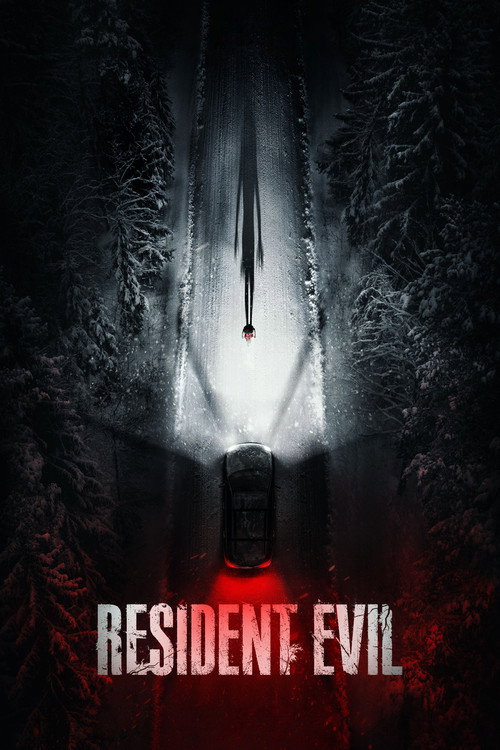
Resident Evil8.8September 17
Probably the closest representation we've ever personally gotten to what a survival horror video game would look like in live-action. I've always been and always will be in the Austin Abrams corner and he absolutely kills it in the role as Bryan. Tons of viscera-schleemed fun and I can't wait to keep watching everything that Cregger puts out.
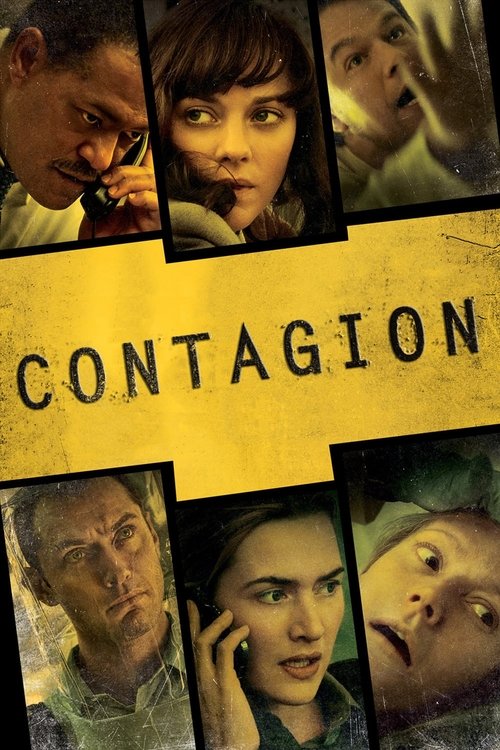
Contagion7.8August 29
Some of Matt Damon's best acting by a large margin, but I primarily come to expect that from his earlier stuff. A truly horrifying film that had a completely understandable resurgence during 2020. The cast is stacked and the narrative fully takes on its roots as a real-world pandemic horror that is very hard to watch at times.