Skip to content


Nick
@sardonick_wrath
Favourite films: Pacific Rim + the last three films I gave five stars. I like to think about how movies speak to one another. I am a philosophical economist. I like to think about existentialism and ontology.
Recent activity
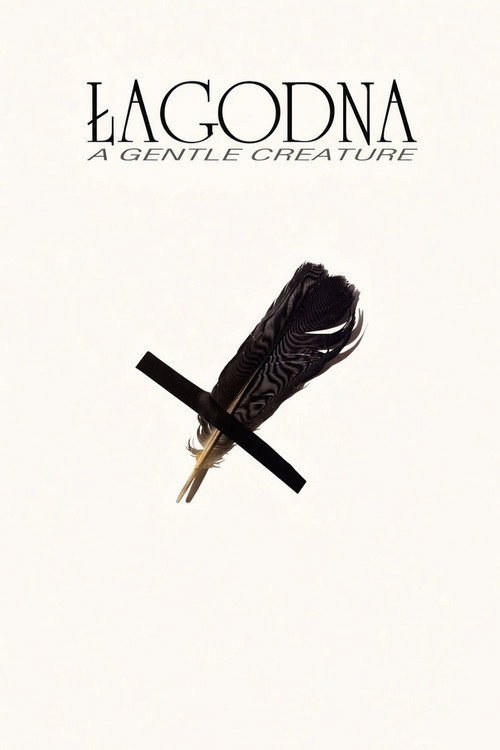
A Gentle Creature6.0May 22
Treliński infuses a necrophiliac tint to the sad romance of the source material. This shift reminded me more of the fate of Nastasya Filippovna from *The Idiot*; I wonder if this was intentional. For a purist, this change would probably be problematic. I think it dramatically alters the viewer’s perception of, well, everything. Most especially affected is the framing of the climax. In the novel, it despairingly erupts. Here, it is broadcast and infused with implicit redundancy. I think Treliński did a good job evoking a Dostoevskian world. I especially loved the man’s quarters with its expressionistic influence and dank dreariness. The acting and spatiality falls in line with the source prose too. For example, the girl’s outburst in the pawn shop where she stamps her feet and then swipes at the man. Another moment is the man’s clandestine appearance at the girl and Yefimov’s meeting. The main thing absent from the film is a better actualization of the man’s interior, his inner dialogue. As the short story is written in first person, it infuses an omnipresent bias and a more explicit withholding. The film doesn’t do anything formal or inventive to supplant this missing element. Instead, the film doubles down on the romance, physical especially. There is a greater explicit emphasis on the corporeal. Spotlighting the girl’s corpse multiple times emphasizes the physicality of the relationship or lack thereof during. The film ends up more morbid than its source material. Where I was left with a bit of a pit in my stomach after the short story, this left me a little more disturbed. There’s something going on with ice in this movie that I’m pretty sure was not in the book. It added a meat locker frigidity to the overall feel. I must caveat that I had to watch with translated subs, so they were flawed to hell. Ultimately, I thought it was a nice interpretation although lacking some of the power its inspiration carries.
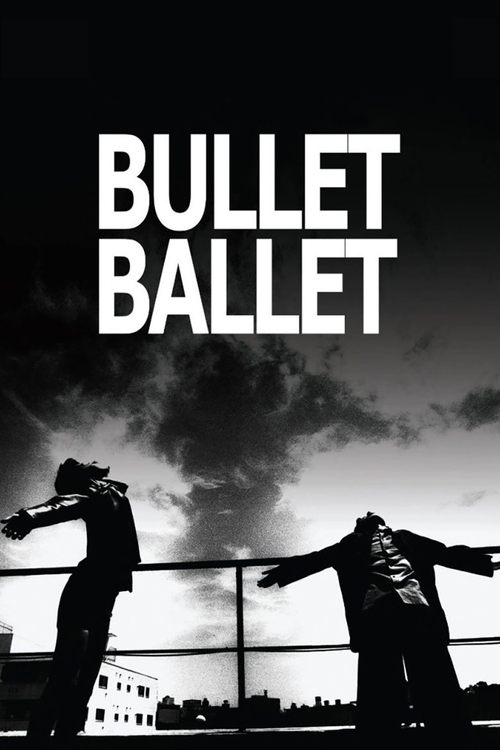
Bullet Ballet9.0May 21
In Criterion’s blu-ray release of *Stalker*, Geoff Dyer observes one of the greatest moments in cinema: the gradual change of sound as the train car passes into the Zone. Here, Tsukamoto channels the power of transformative cinema through a similar miracle. In its conclusion, our two main heroes, Goda and Chisato, run away from each other. The scene is comprised of many cuts back and forth between the characters as they run *away* from one another. But Tsukamoto’s (he’s also credited as cinematographer and editor) power lies in the evolution of this sequence of shots. At an imperceptible point, that may differ for each viewer, it begins to feel like they are running *toward* one another. Tsukamoto’s films are verbs incarnate. His best works (think *Tetsuo*) command momentum and trajectory in a transcendent way. Even a minor work like *Hiruko the Goblin* features stunning cinematic motion. Unlike *Tetsuo* though, *Bullet Ballet*’s momentum is an illusion, adding to the prestige of this work. No better sequence captures this than a long series of shots showing Goda and Chisato walking and facing different directions. If you pay attention to their sequential orientation, you will see a holistic story of a dance in place. Long ago, a friend remarked the movie *La Haine* highlighted the impact of a gun in a gunless society. Apparently, he’s never seen this. Where *La Haine* might ask, “What if there was a gun?” *Bullet Ballet* asks, “What if a man **wanted** a gun?” If you know me, it should be obvious which question I find more interesting. One is about an object or tool. One is about a man, or maybe about humans. I will always take human stories over object/event stories. This is a major work.
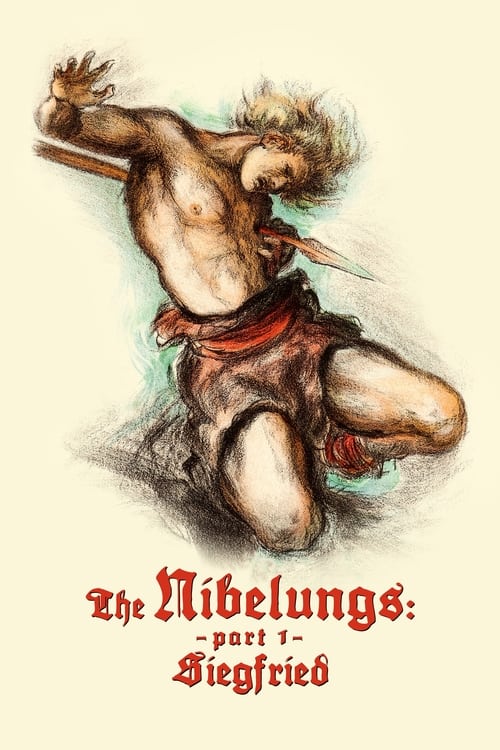
Die Nibelungen: Siegfried8.0May 21
Fenriz voice: “Big helmets, cool movie.”
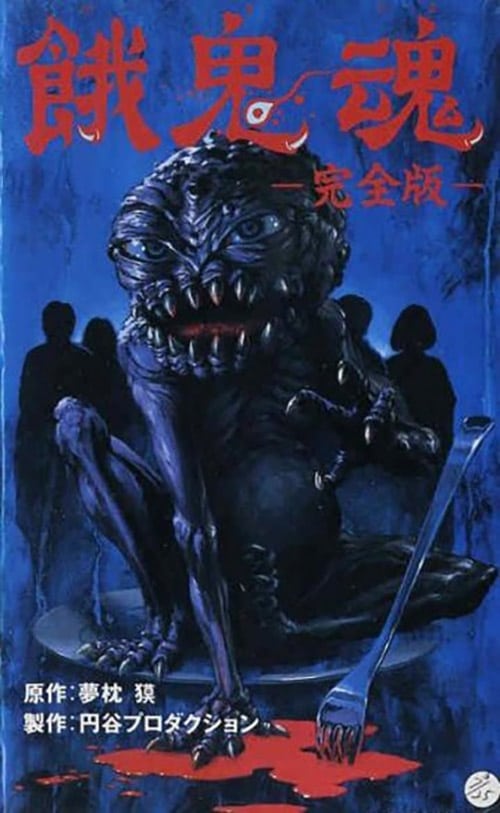
The Demon Within5.0May 20
Kinda cute, kinda gross.