Skip to content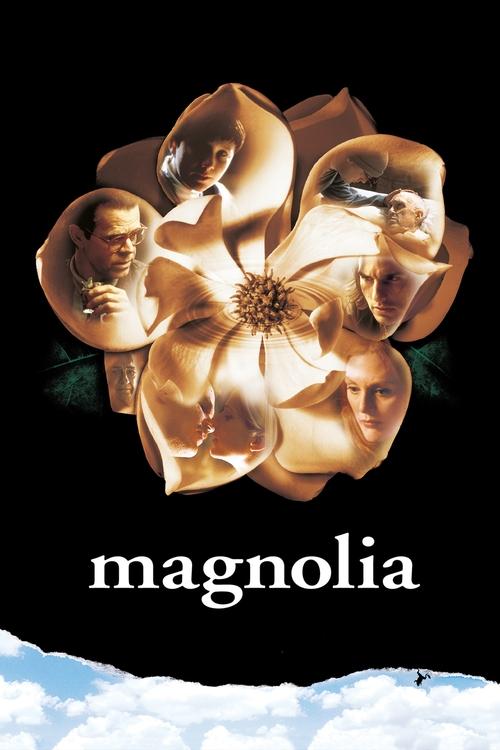
Recent activity
Magnolia10.0March 21
*(R e w a t c h 🌸) Magnolia is overwhelming in the best possible way, a sprawling, emotional epic that feels like it’s trying to capture everything at once: grief, regret, coincidence, love, loneliness, and the desperate need for forgiveness. Paul Thomas Anderson weaves together multiple storylines, and somehow they all feel connected not just through plot, but through emotion. The film moves like a wave, building and crashing, jumping between characters who are all quietly (or loudly) falling apart. It’s messy, but intentionally so. Life here isn’t neat or resolved it’s chaotic and painful. The performances are extraordinary across the board. Tom Cruise gives one of the most surprising and vulnerable performances of his career, while Julianne Moore, Philip Seymour Hoffman, and the rest of the ensemble bring raw, unfiltered emotion. Every character feels like they’re on the edge of something breakdown, confession, or change. Aimee Mann’s music ties everything together beautifully, especially during the famous singalong sequence, which somehow turns into one of the most moving moments in the film and then there’s the ending bold, bizarre, and unforgettable. It shouldn’t work, but it does, because the film has already earned that leap. What makes Magnolia a five-star experience is its sincerity. It’s big, emotional, and completely unafraid of being earnest. It asks a lot from the audience, but it gives just as much in return. *
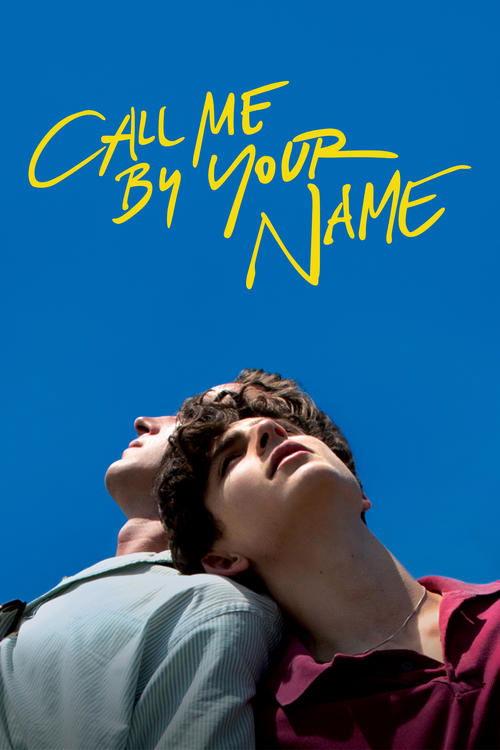
Call Me by Your Name7.0March 21
(r e w a t c h) I remember the first time I watched it, it was back in lockdown (I was around 15) and it touched me so deeply but now it doesn’t really do that anymore. Call Me by Your Name is soft, sun-drenched, and emotionally delicate a film that lingers more in feeling than in plot. It captures a specific kind of first love: intense, fleeting, and slightly out of reach. Timothée Chalamet is the heart of the film. His performance as Elio feels completely natural, full of curiosity, longing, and quiet frustration. You can see every emotion pass across his face, especially in the moments where he says nothing at all. Armie Hammer brings a relaxed confidence to Oliver, though the dynamic between them can feel slightly unbalanced at times. The setting does a lot of the work. The Italian countryside is warm and idyllic, creating a dreamy atmosphere that mirrors the romance. The film takes its time, letting scenes stretch out, focusing on small gestures and glances rather than dramatic events. Where it lands at three and a half stars is in its pacing and emotional distance. While the slow rhythm works for the mood, it can feel a bit too drawn out, and the relationship doesn’t always feel fully developed by the time it reaches its emotional peak. Still, the final moments are undeniably powerful, grounding the film in something real and bittersweet. (The peach scene still grosses me out as much as it did back then)
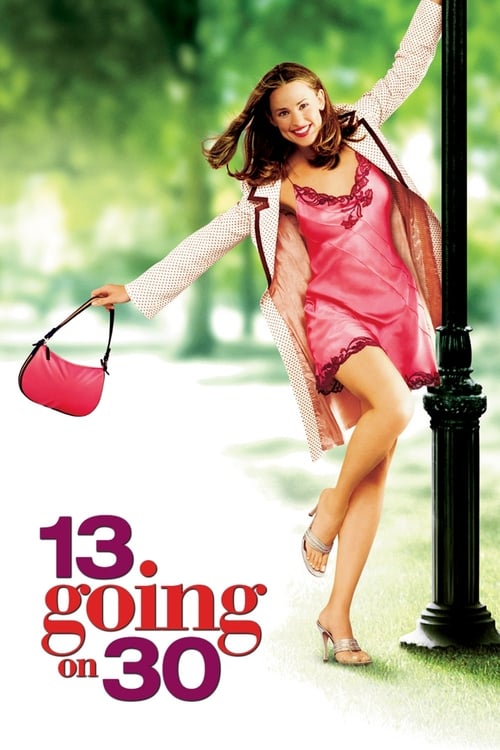
13 Going on 306.0March 19
13 Going on 30 is charming, nostalgic, and easy to watch, even if it never fully rises above its familiar premise. The “kid in an adult’s body” concept isn’t new, but the film leans into it with enough sincerity to make it work. Jennifer Garner is the main reason it holds together. She perfectly captures the awkward mix of innocence and confusion, making Jenna feel like a genuine 13-year-old navigating a grown-up world. Her performance is warm, funny, and surprisingly endearing, especially in the smaller moments where she’s just trying to understand how everything works. The film’s biggest strength is its tone. It’s light, sweet, and full of early 2000s nostalgia, fashion, music, and all. Scenes like the “Thriller” dance are genuinely fun and give the movie a sense of playful energy. (Best part of the whole film) Where it falls into three-star territory is its predictability. The story follows a very clear path, and the emotional beats arrive exactly when you expect them to. It touches on ideas about growing up and losing yourself, but doesn’t explore them in much depth. Still, it’s hard to dislike. It knows what it is and doesn’t try to be more than that.
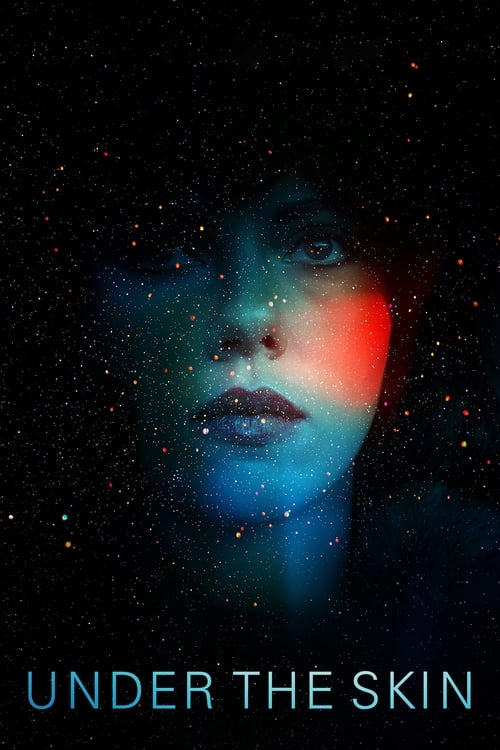
Under the Skin10.0March 19
(r e w a t c h) Under the Skin is hypnotic, alien, and deeply unsettling. It’s a film that doesn’t explain itself so much as it absorbs you pulling you into a world that feels familiar on the surface but completely unknowable underneath. Scarlett Johansson gives a performance that’s almost entirely physical. She speaks little, observes everything, and moves through the world with a detached curiosity that slowly begins to fracture. Watching her study human behavior, desire, kindness, vulnerability becomes the film’s emotional core. It’s subtle, but incredibly powerful. Jonathan Glazer’s direction is precise and cold. The hidden-camera style scenes blend real people with fiction, making everything feel eerily real. Then the film shifts into something abstract and nightmarish black voids, silent seduction, bodies dissolving into nothing. These sequences are some of the most haunting in modern cinema. The sound design and score are crucial. Mica Levi’s music is jagged and unnatural, constantly creating tension even in quiet moments. It makes the film feel like it’s vibrating beneath the surface. What makes Under the Skin so remarkable is how it slowly changes. It begins as something predatory and distant, but gradually becomes almost tragic. The more the character understands humanity, the more vulnerable she becomes. It’s not an easy watch. It’s slow, ambiguous, and emotionally cold at times but that distance is what makes its moments of connection hit so hard.