

Stalker
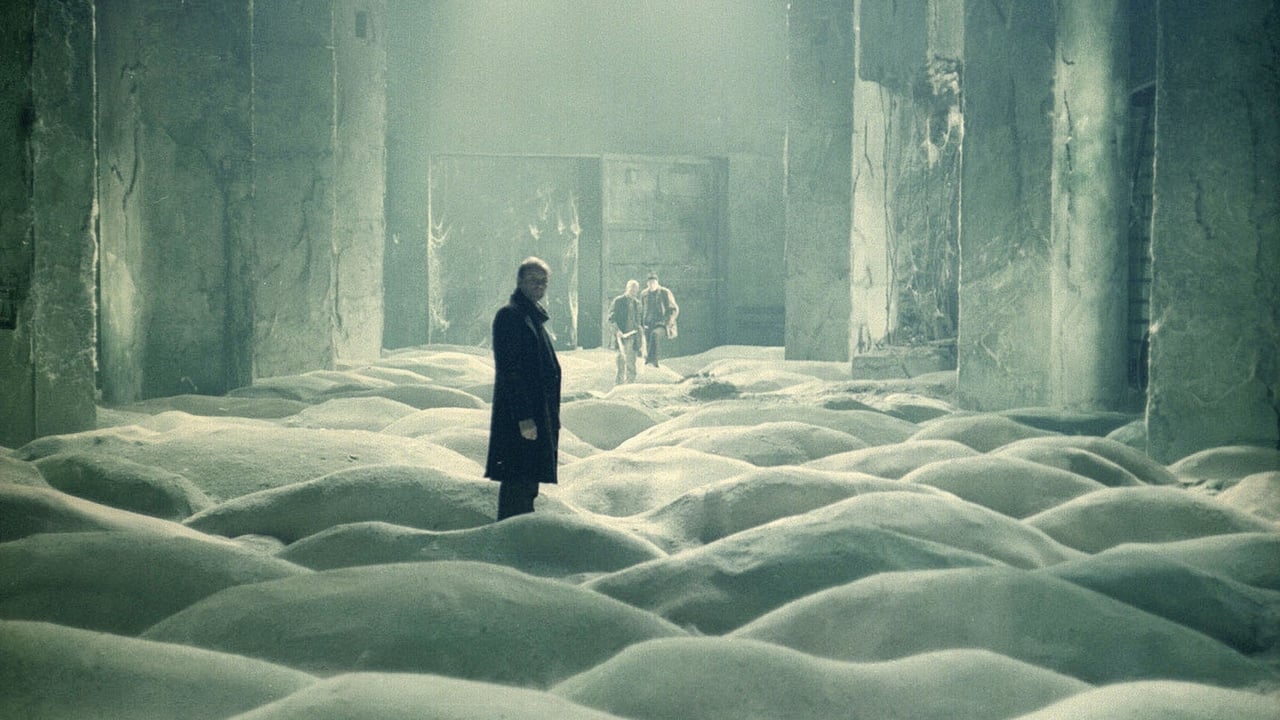
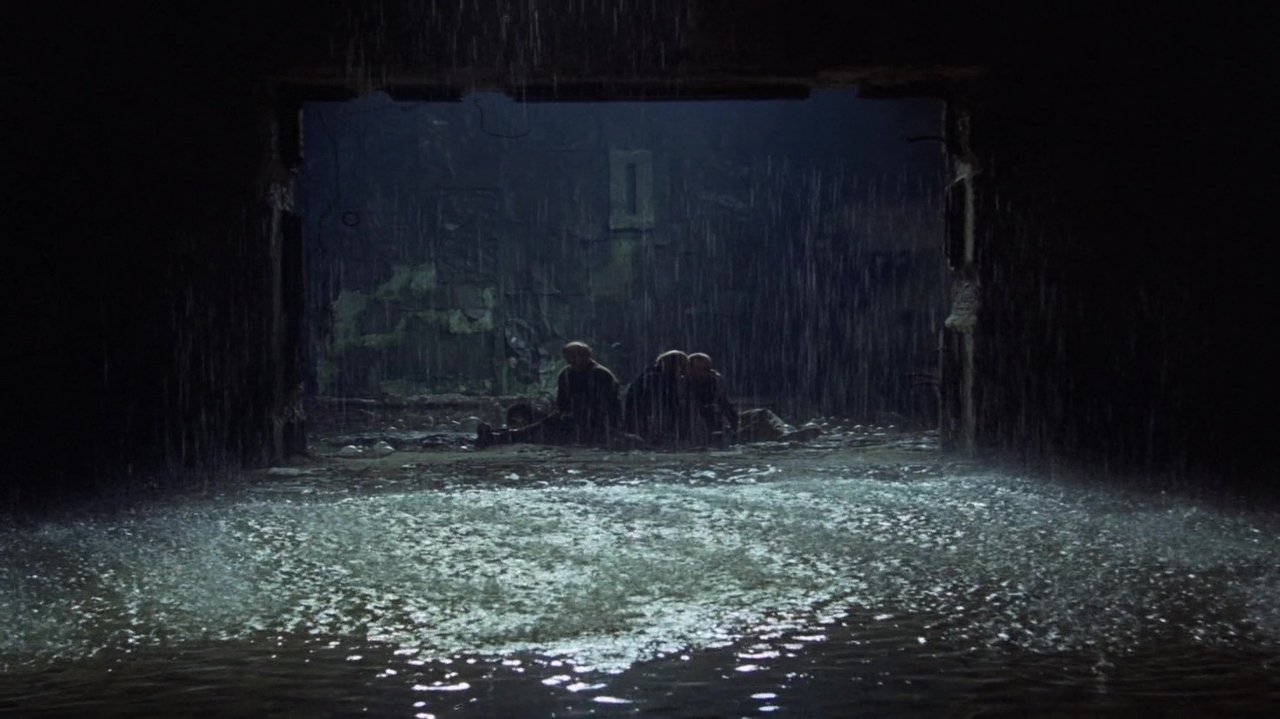
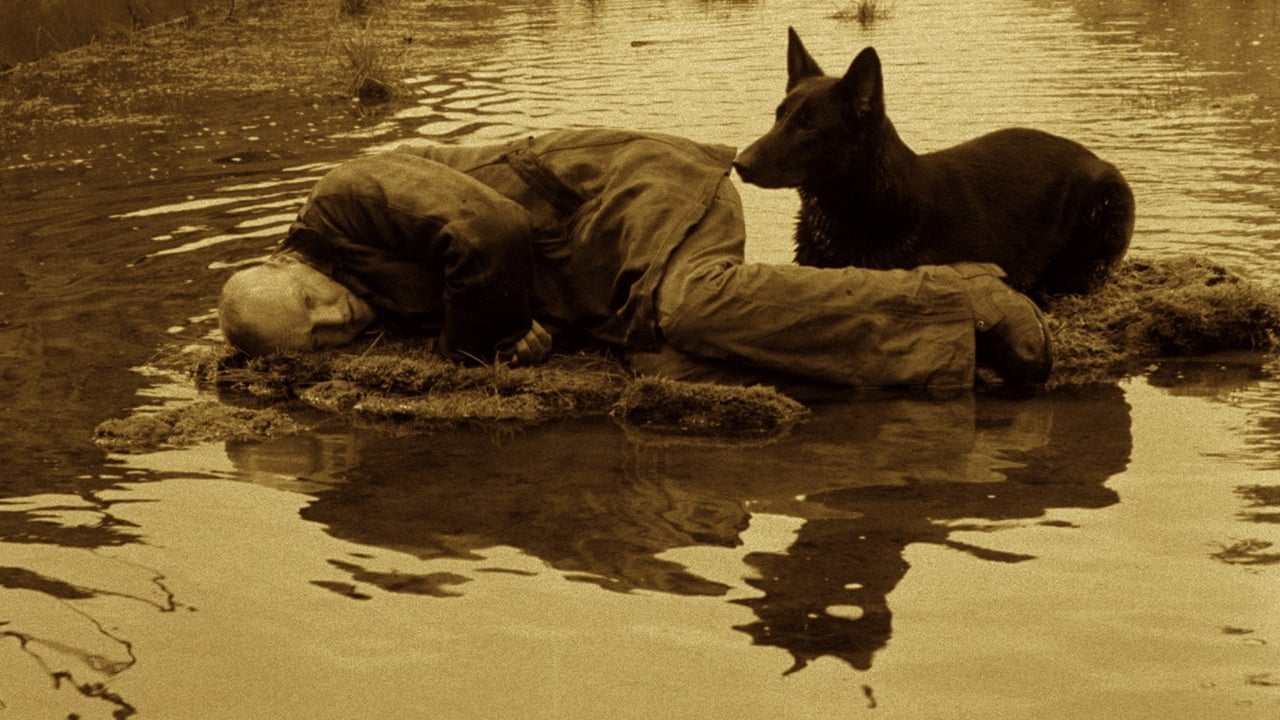
Andrei Tarkovsky’s 1979 Stalker is a haunting, slow-burning meditation that lingers long after the credits. Its influence is obvious. you can trace echoes of Metro 2033 and the STALKER game series (that in and of itself would give it a good rating for me) back to this film’s vision of a mysterious, reality-bending Zone. Tarkovsky’s choice to render the pre-Zone world in drab, almost monochrome tones, then let color flood in once the characters cross the threshold, is brilliant: it makes the Zone feel exotic and alive, and suggests the Stalker’s own boredom with ordinary life. The movie’s age works to its advantage, giving an uncanny, timeless atmosphere that feels both distant and intimate.
Tarkovsky strips the characters of conventional identity. they’re credited as the Stalker, the Writer, and the Professor. which reinforces the idea that individual egos are insignificant next to the Zone’s moral and metaphysical weight. Long, distanced camera setups emphasize that smallness visually. The film’s philosophical core — explorations of loss, greed, faith, and the nature of humanity — is measured and unsettling, rewarding patience and reflection.
Although I enjoyed the film, I do have some gripes: At times it’s hard to tell who’s speaking, and the dialogue can be pretty obtuse. Those who are accustomed to clearer exposition may find themselves frustrated.
All-in-all, Stalker is a movie that demands your attention. The themes at play here are not to be taken lightly, or give little thought. The story isn't so much about the characters, or even the Zone itself. Its about pursuing what you want or need the most, and if that thing that drives you is really what you desire