Skip to content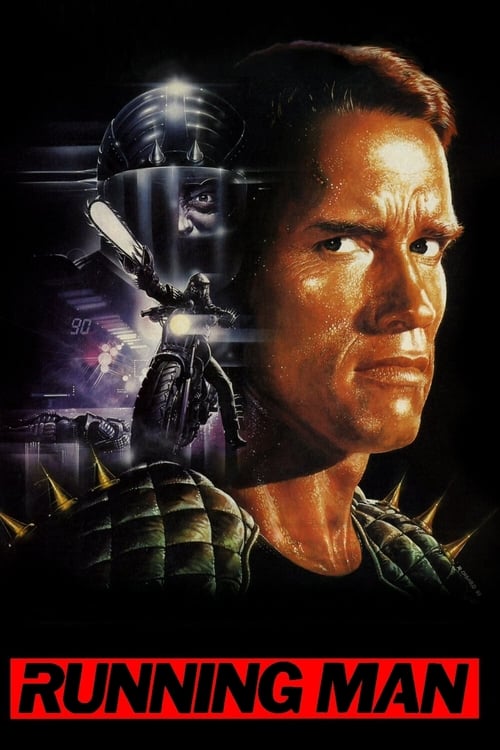
Recent activity
The Running Man7.0December 30, 2025
Other Reviews:🔙Batman (1966)🔙🔜Avatar🔜 Added to lists:1987 RankedArne Ranked80’s Action Review:★★★½ (3.5/5) The Running Man is a loud, unapologetically muscular slice of 1980s sci-fi action that doesn’t pretend to be subtle—and is all the more entertaining for it. Loosely adapted from Stephen King’s novel (published under the Richard Bachman pseudonym), the film trades the book’s bleak, angry tone for glossy spectacle, one-liners, and Arnold Schwarzenegger at peak star power. The result is uneven but undeniably fun, with just enough social commentary to give its explosions a bit of bite. Set in a totalitarian near-future America where television has become the ultimate tool of control, the story follows Ben Richards (Schwarzenegger), a falsely accused police officer forced to compete on The Running Man, a wildly popular game show where “runners” are hunted by themed assassins for public entertainment. It’s a premise that feels both ridiculous and uncomfortably prescient, especially in an age of reality TV, media manipulation, and spectacle-driven politics. Arnold is perfectly cast. This is not a role that demands emotional nuance, but it does require physical presence, charisma, and a willingness to deliver shamelessly corny dialogue with complete confidence. Schwarzenegger excels at that. His performance anchors the film’s absurdity and turns what could have been a campy mess into something consistently watchable. The one-liners—many of them groan-worthy—are part of the charm, even when they undermine the darker implications of the story. Where the film really shines is in its world-building and villains. The “stalkers,” each with their own gimmick and exaggerated persona, are cartoonish but memorable, reflecting the film’s satirical take on entertainment as violence. Richard Dawson’s performance as the smarmy, crowd-pleasing host Damon Killian is a standout—he’s chilling precisely because of how familiar he feels, embodying the grinning amorality of media figures who value ratings over human life. That said, The Running Man doesn’t fully commit to its most interesting ideas. The film gestures toward themes of state propaganda, corporate power, and public complicity but rarely digs deeper than surface-level critique. The pacing also stumbles in places, and some supporting characters are underdeveloped, existing mainly to be killed or to move the plot forward. Fans of the original novel may be especially disappointed by how much the film softens King’s more brutal, despairing vision. Still, judged on its own terms, The Running Man succeeds more often than it fails. It’s energetic, stylish in a distinctly 1980s way, and surprisingly influential—many later dystopian action films and survival-game narratives owe it a debt. Its practical effects, synth-heavy score, and exaggerated production design add to its retro appeal today. Ultimately, The Running Man is exactly what it sets out to be: a high-concept action movie that blends satire, violence, and star power into a memorable, if imperfect, whole. It may not run as deep as it could, but it runs fast, loud, and with enough attitude to remain a cult favourite decades later.
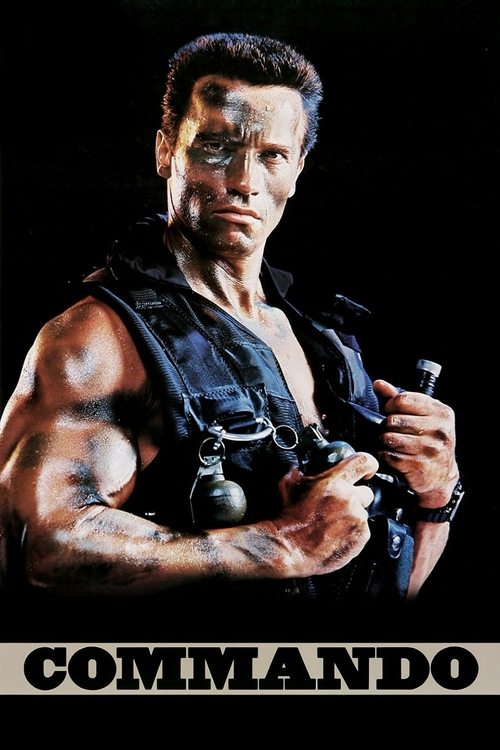
Commando6.0December 30, 2025
Other Reviews:🔙Wake Up Dead Man🔙🔜Batman (1966)🔜 Added to lists:Arne Ranked1985 Ranked80’s Action Review:★★★ (3/5) Commando is one of those films that knows exactly what it is and never pretends to be anything more. It’s loud, ridiculous, unapologetically macho, and powered almost entirely by Arnold Schwarzenegger’s larger-than-life screen presence. As an action movie, it’s both entertaining and deeply flawed—earning it a solid but unspectacular three out of five stars. The plot is paper-thin: retired special forces operative John Matrix is pulled back into action when his daughter is kidnapped by a group of mercenaries. What follows is essentially a nonstop revenge-and-rescue mission, stitched together by explosions, gunfire, and one-liners. The story exists mainly as an excuse to move Matrix from one action set piece to the next, and while that works to a point, there’s very little tension or surprise along the way. You always know who’s going to win and how. Where Commando shines is in its pure commitment to excess. Arnold is in peak ’80s form—physically imposing, stone-faced, and delivering dialogue with a straight seriousness that makes even the cheesiest lines oddly iconic. The action scenes are frequent and energetic, even if they stretch believability to cartoonish levels. Ammunition seems infinite, enemies fall by the dozens, and physics politely steps aside whenever the movie needs a cool moment. On the downside, the film hasn’t aged particularly well in terms of realism or characterization. Most supporting characters are one-dimensional, the villains are forgettable, and the body count is so exaggerated that it starts to lose impact. The tone can also feel unintentionally humorous at times, especially for modern audiences, making it hard to take the stakes seriously. Ultimately, Commando is best appreciated as a time capsule of 1980s action cinema. It’s not smart, subtle, or emotionally rich—but it is fun if you’re in the mood for mindless spectacle and nostalgic bravado. Three stars feels right: enjoyable, memorable in its own way, but far from a great film.
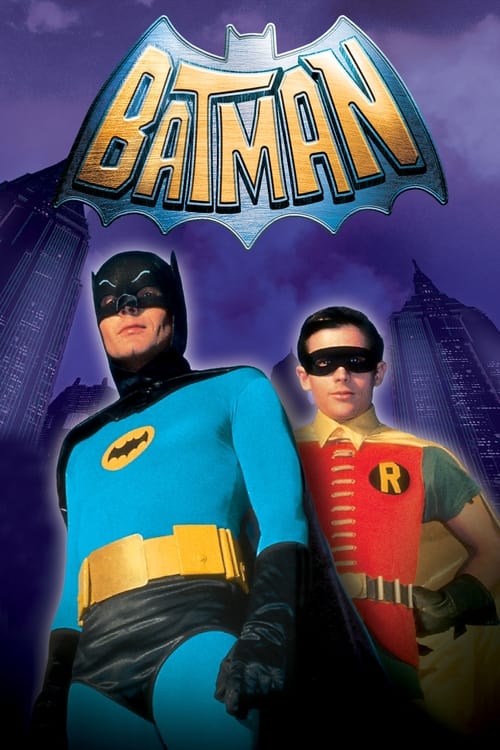
Batman7.0December 30, 2025
Other Reviews:🔙Commando🔙🔜The Running Man (1997)🔜 Added to lists:Batman Movies RankedSuperhero Movies RankedDC ClassicsSuperhero Classics Review:★★★½ (3.5/5) The 1966 Batman movie is a delightfully bizarre time capsule that fully commits to its own campy universe. This isn’t the dark, brooding Batman we’re used to today—it’s a brightly colored, straight-faced comedy where shark repellant spray is a legitimate plot device and every punch comes with a cheerful on-screen BAM! or POW!. Adam West’s Batman is earnest to the point of absurdity, delivering moral lessons with complete sincerity, while Burt Ward’s Robin is endlessly enthusiastic and wide-eyed. The real stars, though, are the villains—Joker, Penguin, Riddler, and Catwoman—who chew the scenery with obvious joy and make the movie’s silliness infectious. That said, the pacing can drag, and the humor is very much of its era, which means not every joke lands for modern viewers. Still, the film’s charm lies in its total lack of irony. It knows exactly what it is and never winks at the audience. As a piece of Batman history and a reminder that superheroes don’t always have to be grim, Batman is goofy, nostalgic fun—best enjoyed when you’re in the mood for something light, loud, and unapologetically ridiculous.
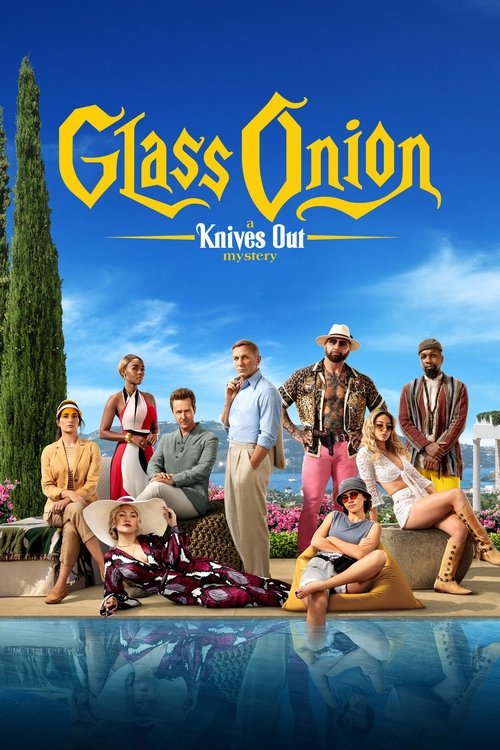
Glass Onion: A Knives Out Mystery7.0December 29, 2025
Other Reviews:🔙One Battle After Another🔙🔜Wake Up Dead Man🔜 Added to lists:2022 RankedKnives Out RankedNetflix Originals Ranked Review:★★★½ (3.5/5) Glass Onion is a clever, stylish sequel that mostly earns its keep, even if it doesn’t quite recapture the lightning-in-a-bottle magic of Knives Out. It’s funnier, louder, more overtly political, and far more indulgent—and while that works in many moments, it also exposes the film’s limits. Rian Johnson once again proves he’s excellent at crafting puzzles that feel playful rather than dusty. The setup—a group of ultra-wealthy friends invited to a private Greek island by a tech billionaire—immediately signals that this will be a satire-first mystery. The film skewers influencer culture, performative genius, and the hollow ego of modern “visionaries” with sharp comedic instincts. There’s real pleasure in watching the film slowly peel back the layers of its characters, revealing that beneath their curated personas lies insecurity, pettiness, and stupidity. Daniel Craig’s Benoit Blanc remains the secret weapon. Craig leans harder into Blanc’s theatricality this time, giving a performance that’s both charming and slightly cartoonish. While some viewers may find the accent and mannerisms pushed too far, his presence anchors the chaos and keeps the mystery from collapsing under its own cleverness. The supporting cast is stacked and game, though unevenly used. Janelle Monáe is the standout, delivering a performance that adds emotional weight and narrative surprise. Edward Norton’s tech mogul is an effective satire of performative intelligence—more smoke than fire—but the rest of the ensemble sometimes feels like a collection of well-drawn sketches rather than fully realized characters. Kate Hudson and Dave Bautista are funny and memorable, but a few others fade into the background once the plot mechanics take over. Where Glass Onion stumbles is in its pacing and structure. The film is long, and while the mid-movie narrative reset is intellectually clever, it disrupts momentum and makes the mystery feel more academic than suspenseful. The solution, once revealed, is thematically satisfying but emotionally muted—more of a punchline than a gut punch. Compared to Knives Out, which balanced warmth, tension, and social commentary, this sequel feels colder and more self-aware. Visually, the film is gorgeous. The island setting, production design, and use of color reinforce the themes of excess and artificiality. It’s a movie that looks expensive in a way that feels intentional, even ironic. Johnson clearly knows how to make spectacle serve satire. Ultimately, Glass Onion is a smart, entertaining film that’s easy to recommend, even if it doesn’t fully live up to its predecessor. It’s less cozy, less surprising, and more pleased with its own cleverness—but it’s still a sharp and timely whodunit that offers plenty to enjoy. A solid clever, stylish, and fun. I can’t wait to watch Wake Up Dead Man.