Skip to content

TaylorsMedia
Gold@taylors_media
Performative lover of all shark movies go show my TikTok some love [@thfilmguru](https://www.tiktok.com/@thfilmguru77?_r=1&_t=ZT-97UCWmWcRWI)
Recent activity
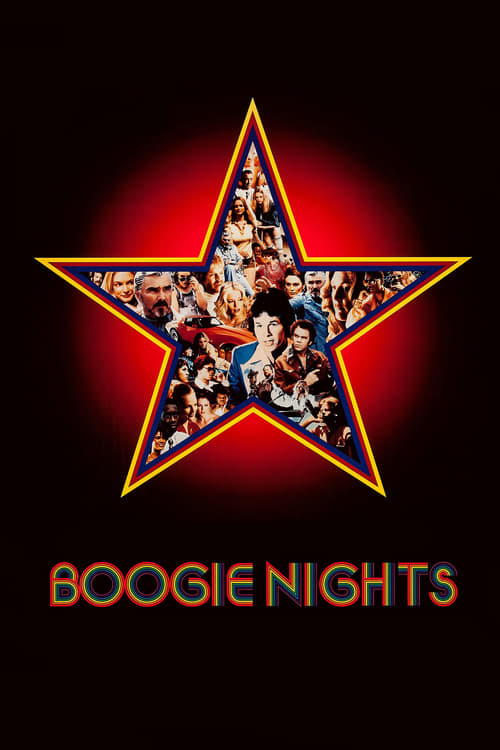
Boogie Nights9.0July 29
Not too sure what to say. It’s great though. It’s genuinely great.
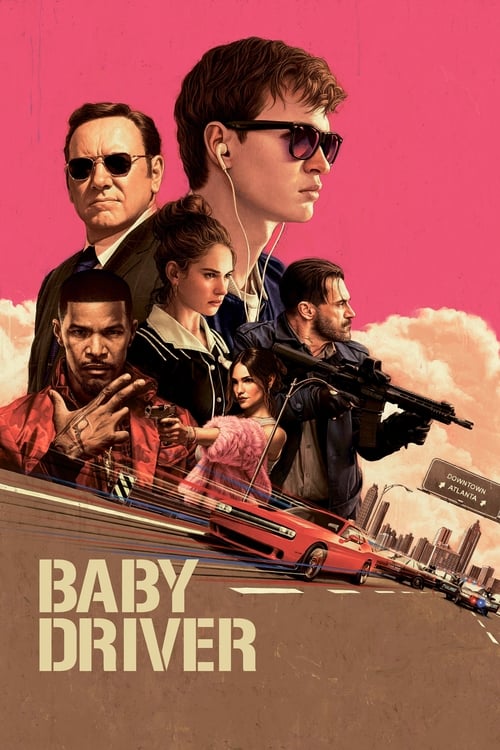
Baby Driver8.0July 27
Really interesting how Wright uses different colors to convey Baby’s varying emotions: he drives red cars when he’s angry or being forced to do a job, he drives blue or silver cars when he’s trying to get away from his life or be with Deborah, anytime he’s around his father figure we see green, and when he’s in the laundromat we see all the colors - signifying his mixed emotions. Not sure how I didn’t pick up on that before, but it’s pretty cool. Also the editing of the gun fights to make the gunfire sound like a beat is oddly satisfying. Plus, the music in here slaps. Really good movie.
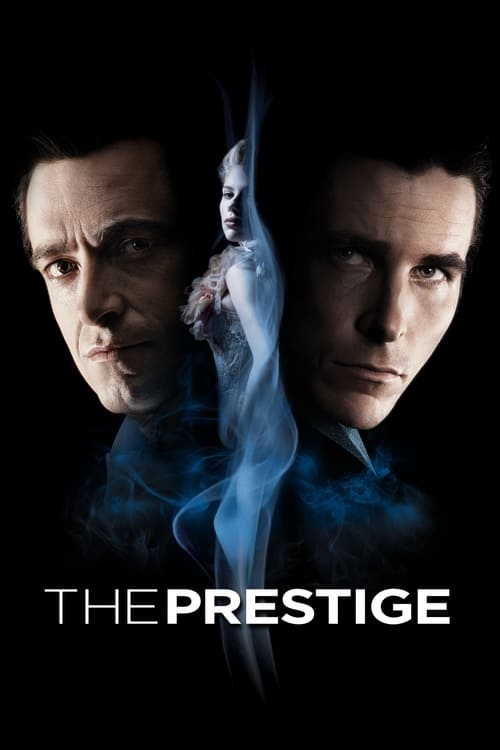
The Prestige8.0July 25
This has probably some of the best dialogue that I’ve seen from Nolan. Every conversation has a certain gravitas and weight that really sells the story being told. Furthermore, though it’s been said so many times at this point, both Hugh Jackman and Christian Bale give phenomenal performances here. Performances that are emotional, complex, charismatic, devastating, and even haughty. I also found Scarjo’s minor role to be quite compelling, though she is concerningly underwritten. Nonetheless, she more than makes do with what she is given. However, that is where my biggest issue with this movie (and some other Nolan movies i.e. *The Odyssey*) lie. Too many of the characters in here are underdeveloped. They are left to be two-dimensional caricatures of roles that we have seen appear thousands of times throughout the history of cinema. Hence, any sort of expected emotional response is stifled as we are given very little reason to care for the character affected. They (Olivia, Sarah, and even Tesla) merely serve as plot devices by which Nolan push his self-aggrandizing screenplay along. So, when Olivia hangs herself, we feel maybe a sort of shock, but we could really care less about the fact that she is dead. All in all, the writing for many of the supporting characters is devastatingly surface-level and in many ways cheap. However, I’d like to end this review on a more positive note. Though some of the cinematography felt quite unmotivated and flat, there were still very many impressive and visually compelling scenes. I was also very pleased with how Nolan was able to wrap up this film in a neat little bow that really provided a satisfying and thoughtful conclusion. Overall, it was a pretty good movie and I’m glad that I took the time to watch it. No regrets.
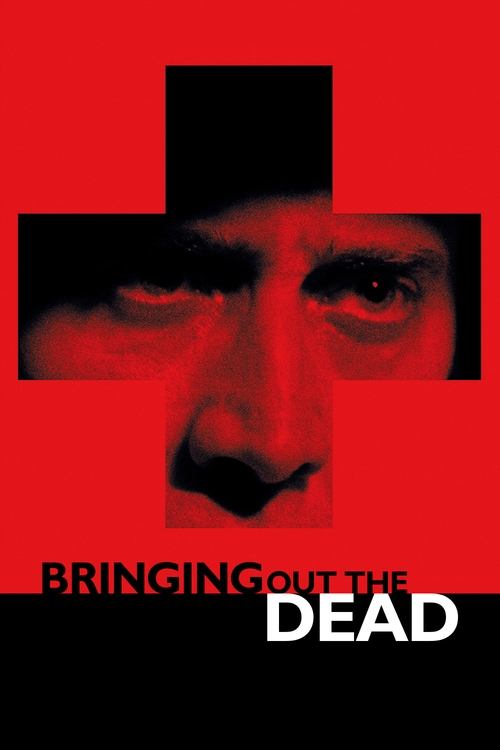
Bringing Out the Dead8.0July 23
Movie #7 of my quest to watch all of Scorsese's filmography. This is Scorsese at his darkest, his most psychological, his most bleak, and yet, in a way, his most hopeful. I say Scorsese, but the real credit goes to the film's writer: Paul Schrader, who also wrote Taxi Driver and quite a few other respected screenplays. In a way, this is Schrader's sequel to Taxi Driver: a sequel that flips the former on its head; a sequel that finds light in the darkness; a sequel that searches for the antidote; a sequel clamoring for hope, love, sanity, and peace-of-mind. A sequel that reminds us: anger is a prison, escape is a cope, and religion is a cover. Sometimes we need to let go, and in doing so we save the person we thought we lost. Clearly, I've begun to divulge. All I want to say is this, it is often in the bleakest, darkest, foggiest sates of mind that we find the most comforting of hopes. (side note, the film really stretches itself thin as it tries to say so much and their is a lot of exposition, which I didn't particularly care for)