Skip to content



Tefmaki
@tefmaki
[when the legend becomes fact print the legend](https://boxd.it/U37gw) | [Portuguese movies](https://boxd.it/VCSgM)
Recent activity
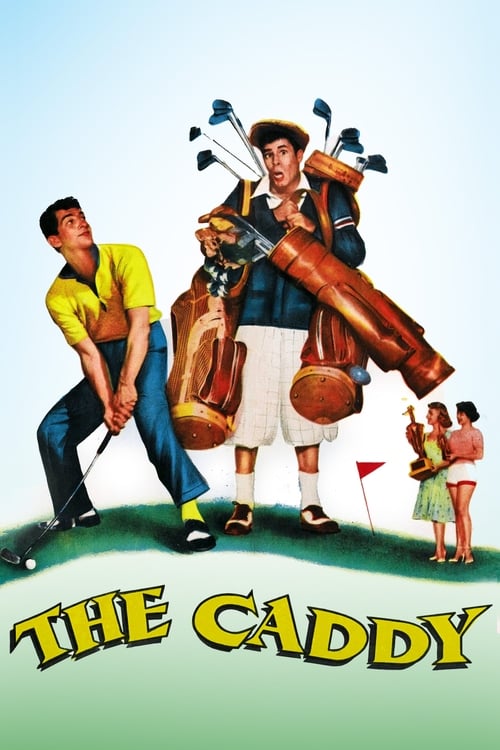
The CaddyAugust 9
Portuguese & English review Portuguese- **The Caddy (1953) de Norman Taurog, por Guilherme Pinheiro.** Antes de Happy Gilmore tivemos The Caddy, muito antes de Adam Sandler transformar os campos relvados do golfe num cenário de caos, raiva e farsa física nos anos 90, Dean Martin e Jerry Lewis já tinham desmantelado a etiqueta e o elitismo do desporto aristocrático com The Caddy (1953). Realizado pelo experiente Norman Taurog, o filme destaca-se na extensa filmografia da dupla não apenas por ser uma das suas comédias desportivas mais inspiradas, mas também por funcionar como um precursor direto da comédia desportiva moderna, onde a anarquia visual e a música se cruzam com o espetáculo de estúdio da Paramount. A narrativa acompanha Harvey Miller Jr. (Jerry Lewis), filho de um lendário profissional de golfe que herda o talento prodígio do pai para o jogo, mas que padece de uma fobia social paralisante: basta ter uma multidão a assistir para que entre em pânico e falhe cada tacada. Incapaz de competir em torneios oficiais, Harvey decide canalizar o seu conhecimento técnico tornando-se o caddie e treinador do seu amigo Joe Anthony (Dean Martin), um jovem de classe trabalhadora que possui a presença e a calma necessárias para triunfar. A partir desta premissa, o filme desenvolve uma dinâmica perfeita de simbiose cómica, onde o talento de Joe nos campos e os desastres hilariantes de Harvey nos bastidores impulsionam a dupla rumo ao topo do circuito profissional. Para além de antecipar a estrutura de farsa desportiva que Sandler viria a popularizar, The Caddy carrega uma importância cultural e musical imensa. Foi precisamente neste filme que se estreou a imortal canção "That's Amore", composta por Harry Warren e Jack Brooks, interpretada por Dean Martin numa memorável cena de celebração familiar numa pizzaria tradicional italiana. A canção não só foi indicada ao Óscar de Melhor Canção Original, como se converteu no tema de assinatura de Martin para o resto da sua vida. Visualmente preciso e com aparições de estrelas reais do golfe da época (como Ben Hogan e Sam Snead), The Caddy permanece como um momento brilhante da parceria Martin-Lewis: leve, contagiante, e com o timing cómico impecável de quem dominava o ecrã como ninguém. English- **The Caddy (1953) by Norman Taurog, by Guilherme Pinheiro.** Long before Happy Gilmore, we had The Caddy. Decades before Adam Sandler turned pristine country club fairways into a battleground of rage and slapstick chaos in the 1990s, Dean Martin and Jerry Lewis had already dismantled the stuffy elitism of professional golf with The Caddy (1953). Directed by veteran Norman Taurog, the film stands out in the duo's vast Paramount filmography not only as one of their most inspired sports comedies, but as a direct ancestor to modern sports-farcical cinema where physical comedy and music collide. The narrative follows Harvey Miller Jr. (Jerry Lewis), the son of a legendary golf pro who inherits his father's unmatched skill for the game but suffers from a debilitating phobia: the moment a crowd gathers to watch, he freezes and misses every shot. Realizing he cannot compete under the spotlight, Harvey decides to put his technical genius to use by becoming the caddy and instructor for his friend Joe Anthony (Dean Martin), a suave working-class kid with the nerves of steel required to succeed. The film builds on this symbiotic dynamic, contrasting Joe’s smooth rise through the tournament ranks with Harvey’s catastrophic misadventures on the sidelines. Beyond pioneering the sports-comedy framework that Sandler would later refine, The Caddy holds immense cultural and musical significance. It was in this picture that the legendary song "That's Amore" (written by Harry Warren and Jack Brooks) made its screen debut, performed by Dean Martin in an iconic, joyous Italian restaurant sequence. The track earned an Academy Award nomination for Best Original Song and became Martin’s definitive trademark theme for the rest of his career. Featuring guest appearances by real-life golf legends of the era (including Ben Hogan and Sam Snead), The Caddy remains a sparkling highlight of the Martin & Lewis era: effortless, infectious, and driven by two masters at the absolute peak of their game.
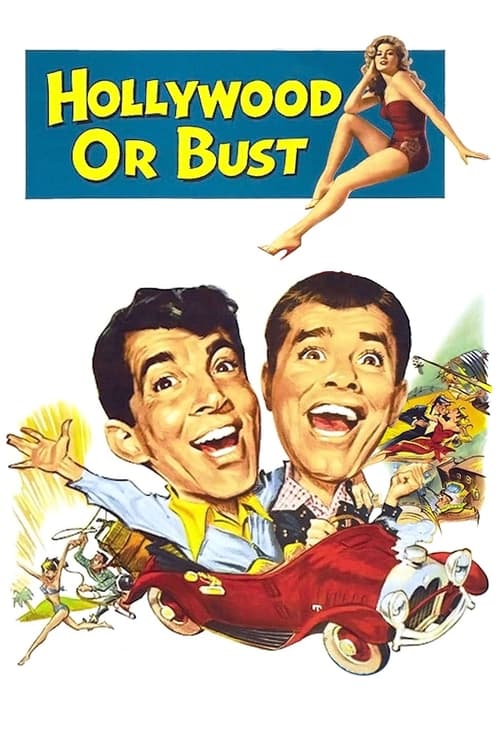
Hollywood or BustAugust 8
Portuguese & English review Portuguese- **Hollywood or Bust (1956) de Frank Tashlin, por Guilherme Pinheiro.** > "I'm going to Hollywood! That's where they make the pictures!" Existe um peso histórico e uma tragédia subterrânea a pairar sobre cada fotograma de Hollywood or Bust. Rodado durante os meses em que a relação pessoal e profissional entre Dean Martin e Jerry Lewis se desmoronava de forma irreversível nos bastidores ao ponto de quase não se falarem fora da rodagem, o décimo sexto e último filme da dupla acabou por ser, ironicamente, uma das suas obras esteticamente mais audazes, vibrantes e conceptualmente complexas. Sob a direção genial de Frank Tashlin, que era um antigo animador da Looney Tunes que trouxe para o cinema live-action a geometria, o absurdo e o ritmo alucinante dos cartoons, o filme converte a crise da dupla num grande road movie que desmonta a própria mitologia da indústria do entretenimento. A premissa coloca Malcolm Smith (Lewis), um fã obsessivo de cinema e devoto absoluto da estrela Anita Ekberg, e Steve Wiley (Martin), um vigarista de rua de Nova Iorque, a ganharem simultaneamente o mesmo carro desportivo num sorteio fraudulento. Sem intenção de ceder a viatura, a dupla improvável decide cruzar os Estados Unidos de uma ponta à outra num road trip rumo à Califórnia. Para Malcolm, a viagem é uma peregrinação sagrada até à Meca do cinema; para Steve, uma oportunidade perfeita para roubar o carro e escapar às suas dívidas. A forma como Frank Tashlin utiliza a estética em Technicolor e VistaVision para tecer uma crítica feroz ao materialismo pós-guerra e ao mito de Hollywood, a fábrica de sonhos americana é retratada não como um templo de arte, mas como uma miragem superficial, uma linha de montagem industrial movida pela obsessão com a fama, pelo fetiche da celebridade (corporizado na figura hiperbólica de Anita Ekberg) e pelo consumo desenfreado. O olhar de Tashlin é desmistificador a Hollywood que Malcolm tanto idolatra revela-se um grande cenário de papelão, onde os desejos do público são fabricados em massa e onde o espetáculo substituiu a própria realidade. Sendo uma ode e autorreferencial ao cinema, Hollywood or Bust transborda de citações, alusões e referências explícitas e implícitas à cultura pop e à história da própria Paramount. Anita Ekberg confronta a cultura das mulheres sex symbol de Hollywood onde acaba por entregar uma atuação satírica de si mesmo, paródia ao western clássico e como já disse anteriormente, existem algumas referências a Looney Tunes. Hollywood or Bust permanece como um monumento fascinante e agridoce. É a prova de que, mesmo quando o amor entre duas estrelas já tinha chegado ao fim, a magia do cinema de Frank Tashlin e a química instintiva de Martin & Lewis conseguiram transformar o adeus na celebração mais colorida e satírica da era de ouro de Hollywood. English- **Hollywood or Bust (1956) by Frank Tashlin, by Guilherme Pinheiro.** > "I'm going to Hollywood! That's where they take the pictures!" There is a historical weight and an underlying tragedy hanging over every frame of Hollywood or Bust. Filmed during the months when the personal and professional relationship between Dean Martin and Jerry Lewis irreversibly crumbled behind the scenes to the point where they barely spoke to each other outside of filming, the duo's sixteenth and final film ended up being, ironically, one of their most aesthetically audacious, vibrant, and conceptually complex works. Under the brilliant direction of Frank Tashlin, a former Looney Tunes animator who brought the geometry, absurdity, and frenetic pace of cartoons to live-action cinema, the film transforms the duo's crisis into a great road movie that dismantles the very mythology of the entertainment industry. The premise places Malcolm Smith (Lewis), an obsessive film fan and absolute devotee of star Anita Ekberg, and Steve Wiley (Martin), a New York street hustler, simultaneously winning the same sports car in a fraudulent raffle. With no intention of giving up the vehicle, the unlikely duo decides to cross the United States from coast to coast on a road trip to California. For Malcolm, the trip is a sacred pilgrimage to the Mecca of cinema; for Steve, a perfect opportunity to steal the car and escape his debts. As Frank Tashlin uses Technicolor and VistaVision aesthetics to weave a fierce critique of postwar materialism and the myth of Hollywood, the American dream factory is portrayed not as a temple of art, but as a superficial mirage, an industrial assembly line driven by the obsession with fame, the fetish of celebrity (embodied in the hyperbolic figure of Anita Ekberg), and rampant consumerism. Tashlin's perspective demystifies the Hollywood that Malcolm so idolizes, revealing it to be a large cardboard set where the public's desires are mass-produced and where spectacle has replaced reality itself. As an ode and self-referential film, Hollywood or Bust overflows with explicit and implicit quotes, allusions, and references to pop culture and the history of Paramount itself. Anita Ekberg confronts the culture of Hollywood's sex symbol women, ultimately delivering a satirical performance of herself, a parody of the classic Western, and, as I said before, there are some references to Looney Tunes. Hollywood or Bust remains a fascinating and bittersweet monument. It is proof that, even when the love between two stars had already come to an end, the magic of Frank Tashlin's cinema and the instinctive chemistry of Martin & Lewis managed to transform the farewell into the most colorful and satirical celebration of Hollywood's golden age.
May God Forgive You... But I Won'tAugust 8
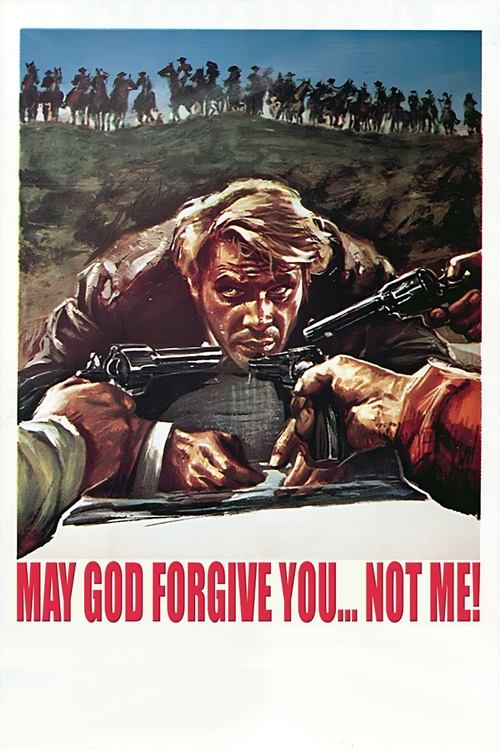
Portuguese & English review Portuguese- **May God Forgive You... But I Won't (1968) de Vincenzo Musolino, por Guilherme Pinheiro.** O Spaghetti Western é um dos ecossistemas mais fascinantes do cinema B europeu precisamente pela sua natureza pirata, mutável e oportunista. Quando Vincenzo Musolino escreveu o argumento de Cjamango (1967) para Edoardo Mulargia, o sucesso da personagem nas bilheteiras foi imediato, um ano depois, o próprio Musolino resolveu saltar para a cadeira de realizador e assinar uma sequência não-oficial para a sua própria criação: May God Forgive You... But I Won't (Chiedi perdono a Dio... non a me). Para fechar o círculo do marketing de exploração da época, o título internacional "roubava" a célebre frase do sucesso de Giuseppe Colizzi lançado no ano anterior, criando um objeto de culto duplamente derivativo. Substituindo Ivan Rassimov por George Ardisson no papel principal, o filme abandona o jogo de manipulação de gangues do original para se focar no motor dramático mais puro e cruel do Euro-Western a vingança cega. A premissa arranca com uma tragédia devastadora enquanto Cjamango está fora do seu rancho, um bando de criminosos massacra a sua família. Consumido pela dor e pela raiva, o protagonista parte numa caçada implacável contra os assassinos, contando apenas com a ajuda de um habitante local mexicano que presenciou o massacre Com uma banda sonora atmosférica de Felice Di Stefano (que regressa para dar coesão musical à duologia) e uma realização direta e musculada de Musolino, May God Forgive You... But I Won't é um exemplar perfeitamente polido do Spaghetti Western de vingança. Um filme que demonstra como as sequências não-oficiais podiam, por vezes, ser tão viscerais e divertidas quanto os originais que as inspiraram. English- Spaghetti Western is one of the most fascinating ecosystems of European B-movies precisely because of its piratical, mutable, and opportunistic nature. When Vincenzo Musolino wrote the screenplay for Cjamango (1967) for Edoardo Mulargia, the character's box office success was immediate. A year later, Musolino himself decided to jump into the director's chair and sign an unofficial sequel to his own creation: May God Forgive You... But I Won't (Chiedi perdono a Dio... non a me). To close the circle of exploitative marketing of the time, the international title "stole" the famous phrase from Giuseppe Colizzi's hit released the previous year, creating a doubly derivative cult object. Replacing Ivan Rassimov with George Ardisson in the lead role, the film abandons the gang manipulation game of the original to focus on the purest and cruelest dramatic engine of the Euro-Western: blind revenge. The premise begins with a devastating tragedy: while Cjamango is away from his ranch, a gang of criminals massacres his family. Consumed by grief and rage, the protagonist embarks on a relentless hunt against the murderers, relying only on the help of a local Mexican resident who witnessed the massacre. With an atmospheric soundtrack by Felice Di Stefano (returning to provide musical cohesion to the duology) and direct, muscular direction by Musolino, May God Forgive You... But I Won't is a perfectly polished example of the Spaghetti Western revenge genre. A film that demonstrates how unofficial sequels could sometimes be as visceral and entertaining as the originals that inspired them.
Which Way to the Front?August 7
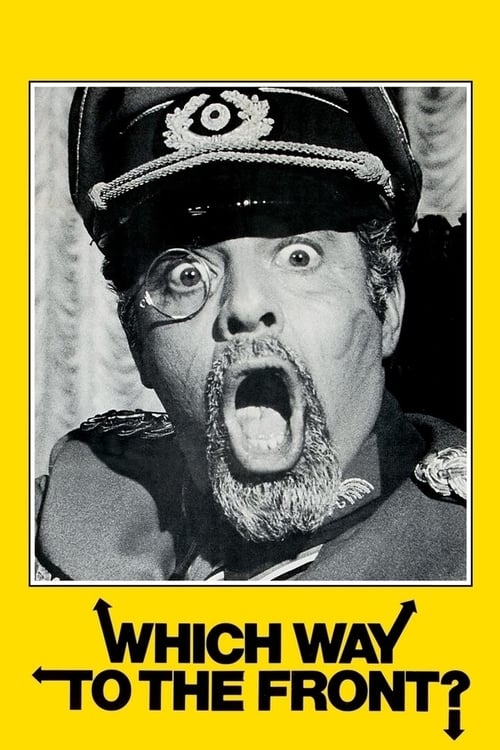
Portuguese & English review Portuguese- **Which Way to The Front? de Jerry Lewis, por Guilherme Pinheiro.** Quatro anos depois de What Did You Do in the War, Daddy? (1966) de Blake Edwards, Which Way to the Front? surge como mais uma estocada feroz da comédia americana na mitologia da Segunda Guerra Mundial, mas com o cunho inconfundível, obsessivo e neuroticamente pessoal de Jerry Lewis. Se o filme de Edwards usava a farsa para ridicularizar a solenidade militar no cenário italiano, Lewis leva o absurdo um passo mais além transforma o conflito global num campo de jogos privado para a rejeição e o ego ferido. A premissa acompanha Brendan Byers III (Lewis), o homem mais rico do mundo, que é declarado "4-F" (fisicamente ou mentalmente inapto para o serviço militar) pelo exército americano. Incapaz de aceitar a rejeição do sistema e determinado a combater Hitler a qualquer custo, Byers decide usar a sua fortuna inestimável para equipar, treinar e financiar o seu próprio exército privado, recrutando outros homens igualmente rejeitados pelas Forças Armadas. A partir daí, a sua milícia particular infiltra-se na Europa ocupada, com o próprio Byers a disfarçar-se de um marechal de campo alemão para tentar alterar o rumo da guerra a partir do interior do comando nazi. O subtexto político e existencial do filme é avassalador. Lançado em pleno apogeu da Guerra do Vietnamel numa época em que o recrutamento militar era uma ferida aberta na sociedade americana, Lewis desconstrói a instituição militar ao mostrar que o dinheiro e o capricho individual podem comprar uma guerra inteira. Byers não combate por patriotismo, mas por vaidade e pela recusa em ser considerado inútil. Visualmente rigoroso, com uma paleta de cores sóbria e uma montagem quase geométrica, o filme equilibra a farsa de disfarces (onde Lewis entrega uma das suas caricaturas mais histriónicas ao interpretar o oficial alemão) com uma sensação subjacente de isolamento e ruína. Which Way to the Front? permanece como um fecho de ciclo fascinante: o último suspiro da liberdade criativa de Lewis nos anos 70 antes de o sistema o empurrar para a margem. **English- Which Way to the Front? by Jerry Lewis, by Guilherme Pinheiro. Four years after Blake Edwards' What Did You Do in the War, Daddy? (1966), Which Way to the Front? emerges as yet another fierce jab of American comedy at the mythology of World War II, but with Jerry Lewis's unmistakable, obsessive, and neurotically personal touch. If Edwards' film used farce to ridicule military solemnity in the Italian setting, Lewis takes the absurdity a step further, transforming the global conflict into a private playing field for rejection and wounded ego. The premise follows Brendan Byers III (Lewis), the richest man in the world, who is declared "4-F" (physically or mentally unfit for military service) by the American army. Unable to accept the system's rejection and determined to fight Hitler at any cost, Byers decides to use his inestimable fortune to equip, train, and finance his own private army, recruiting other men equally rejected by the Armed Forces. From there, his private militia infiltrates occupied Europe, with Byers himself disguising himself as a German field marshal to try to change the course of the war from within the Nazi command. The film's political and existential subtext is overwhelming. Released at the height of the Vietnam War, at a time when military conscription was an open wound in American society, Lewis deconstructs the military institution by showing that money and individual whim can buy an entire war. Byers doesn't fight for patriotism, but for vanity and a refusal to be considered useless. Visually rigorous, with a sober color palette and almost geometric editing, the film balances the farce of disguise (where Lewis delivers one of his most histrionic caricatures in playing the German officer) with an underlying sense of isolation and ruin. Which Way Forward? remains a fascinating cycle closure: the last gasp of Lewis's creative freedom in the 1970s before the system pushed him to the margins.**