Skip to content



Recent activity
They Will Kill You5.0August 31
I really wish action comedies would actually write jokes instead of just having characters say, “you bitch.” It was entertaining if you want to see *Kill Bill* meets *Get Out* meets *The Raid: Redemption*. Those are all good things but this for sure feels derivative and not transformative enough to not notice. It has a very cohesive color palette with the yellow and teal…but it doesn’t feel character driven. Like, that lighting appears in flashbacks, our main characters clothing and wardrobe, and the antagonistic hotel as well as after her escape. Like, it’s cool to have colors but it isn’t used as a story vehicle. The filmmaking feels more like videography than cinematography. It has a lot of cut ins and close ups which don’t really tell us much other than…oh look. The acting is all right. I think comedies and horrors nowadays always try to have a big heart which is nice I guess but I think sometimes we just need to hack some fellas up and have a few laughs. I think unless you have a really strong concept and script, it usually weakens the movie to have it have a cheap emotional core. I also think (especially considering the campy goofy vibe of the movie) they should’ve gone with a practical animatronic pig head and mask at the end. The goofiness is part of the style and I’m sure that cgi cost an arm and a leg. I also wish they’d not just done a generic villain voice for the pig. Just all those things are such big style things that could’ve made it really fun and iconic but instead really date it, break immersion, and is way less funny. I think it took a very medium swing and it was a very medium movie. Fun though.
Mad God7.0August 29
Really interesting film. I appreciate artists when they art and Phil Tippet (the goat behind *Empire Strikes Back, Jurassic Park, Robo Cop*…) arted his dang butt off. *Mad God* is like if *Mad Max* was in *Stalker* and had the neon drenched quality of like, *Arkham City*. All of those things are very sick. Surreal stuff is hard for me to grapple with and try to FEEL and not just understand in an intellectual way. So here’s my intellectual takeaways. Industrial hell. *Mad God* shows the cyclical nature of the industrial world. You spend all your time working for a company just to spend your own money buying from some other company just so both companies can fuck you as soon as they can. Here they show people being created to be used for production, either as laborers or as organic material. In a really base sense, people feed the machines. The machines create to feed the people. And so on. I think I would’ve preferred more of a narrative with a character interacting with the Dante-esque hellscape and drilling down to a more personal thing, or for it to be shorter. It’s stunning visually but for that time, I think it would’ve been good to have more of a story to go along with it. I’ll definitely revisit at some point.
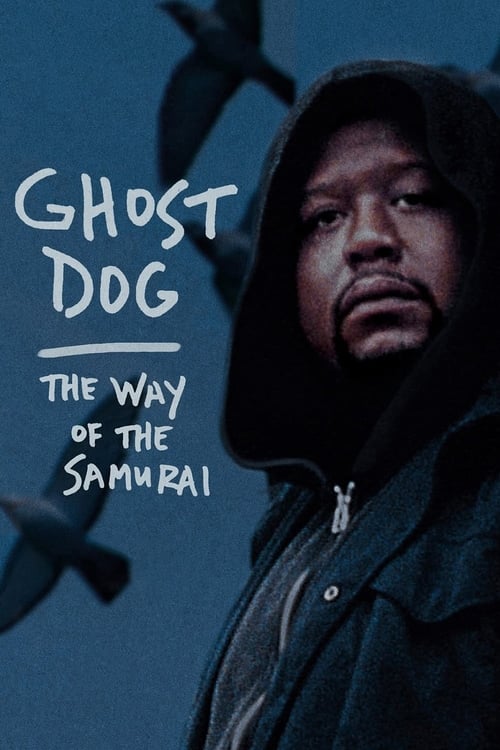
Ghost Dog: The Way of the Samurai7.0August 27
Really neat. It’s a really smart film with great style that’s a pretty interesting examination on culture and groups. The parallels they draw between different groups, but especially black, Italian, and Japanese communities are really interesting and show a lot of similarities. A lot of early rap culture really draws on Italian mob movies with the whole “street survival to aspirational wealth pipeline” and *Ghost Dog: The Way of the Samurai* illustrates that and drills down a layer by introducing the samurai code of honor. The film shows the code of “respect” that all three cultures share and tells an interesting story of how these characters are the last of an era. The black character is living by a Japanese code and the mobsters are all listening to rap yet they all still hold their prejudices and their boundaries. Really interesting. Ghost Dog feels like a quasi Don Quixote type character as he lives by these grander ideas and morals. I’ll have to watch this again eventually and frick I love Forest Whitaker.
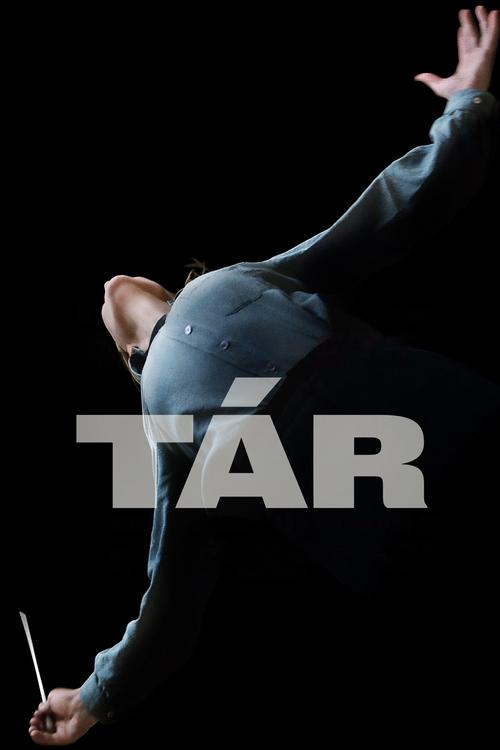
TÁR6.0August 25
lol what a dogshit ending 😂 From the opening scene, I was skeptical. It felt very…written. Maybe some of that is because the subject matter of the film (classical music) is very self referential and technical but it just wept abrupt and unnatural to my ears. For the pros, the camera work was really restrained and I loved that every conversation wasn’t just coverage-reverse coverage. Sometimes the whole convo was backs of heads which was really refreshing. Also some deep focus scenes with characters in the foreground and background interacting which was also refreshing. It’s kind of funny the similarities to *Whiplash*. - Music conservatory (sure) - Intense teachers (that’s a given) - An old student who was abused commits suicide (that’s a little more specific) - She stages an “audition” and one of the performers has had far more time to prepare (also really specific) - At a performance the conductor is tackled and the protagonist is dragged off stage cursing. Alright gang. What the frick. Like, I could get it more if at least it was all these beats but was the cooking or theater industry or something but to do it in nearly the exact same setting is wild. I dunno. Didn’t love Blanchett’s performance and the movie seemed beat for beat like something that came out like 6 years prior. It didn’t feel transformative enough to need to be rehashed.