Skip to content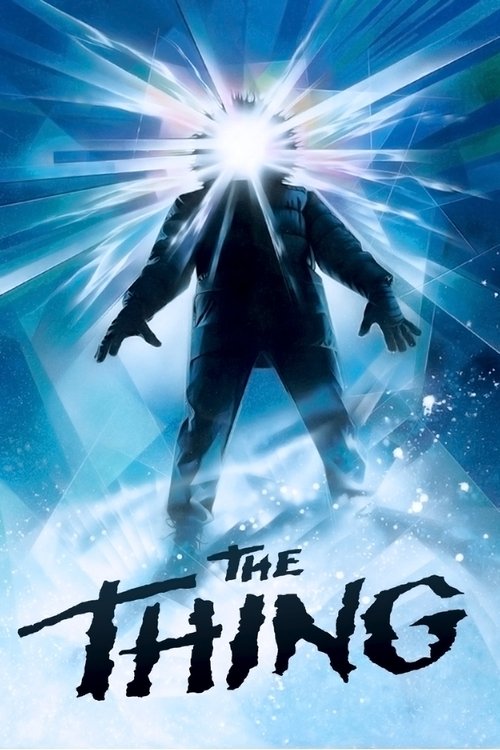
Recent activity
The Thing8.0April 26
The Thing is John Carpenter’s 1982 legendary Sci-Fi Horror classic. A 12-man research team in Antarctica is hunted by a shape-shifting alien that assumes the appearance of its victims. The group is overcome not only by conflict but also by paranoia as they realise they can no longer trust each other, as one of them could be The Thing. John Carpenter creates one of the best and most thrilling horror atmospheres in cinema: constantly building tension through silence, framing, and plot while maintaining a cold and detached tone that mirrors the setting and emotional isolation. His slow but purposeful and dramatic camera placement + movement continues the immersive unease and makes the audience always look for clues. Carpenter balances different genres and directs the strong ensemble cast towards subtle and natural performances, as well as staging the sets and pacing with precision and escalation. Rob Rottin’s practical effects and monster design remain some of the most convincing and disturbing put on screen, his grotesque body horror, use of fluids and molds, and vast variety of The Thing’s many forms are impressively terrifying. The dangerous Antarctic setting is built excellently with lighting, cold blue colours, and deep shadows. Ennio Morricone adds yet another world-famous film to his arsenal with his effective score in this one: his minimalist “heartbeat” soundtrack underlines the film’s synthesised menace while the rare instrumental outbursts make the climaxes almost unbearable. Other parts of the design like the powerful stunts, fire, and explosives as well as the realistic flame throwers and petri dishes make The Thing even more grounded in Sci-Fi and well-made. What makes The Thing much better than other horror movies is how potent, gripping, and thematically detailed its story is. It shows how paranoia can be even more of a destructive and fast-spreading force than conflict, and how the destruction of trust is the ultimate horror. It explores the uncomfortable facts that we can never truly prove our identity and uses our fear of losing our soul and agency to accentuate the alien threat. The isolated environment amplifies suspicion and irrational decisions, making an unpredictable and raw story. The Thing brings up the question: Is individual survival worth more than collective safety? This film creates a perfect villain, one that wants nothing more than to spread and ruin if not contained, one that cannot be detected or stopped easily, and one that underlines how fragile humanity is. It also maintains a nihilistic view, suggesting that there are no real winners in some conflicts and showing how men can return to animalistic tendencies under pressure. The film's conclusion is brilliant but this is a no spoiler review, watch the movie. Overall, The Thing is a must watch for horror/thriller fans thanks to its production, performance and direction but ascends from other scary hits because of its legacy-building plot that challenges human nature and builds tension like no other. Overall Score: 8/10
The Wicker Man7.0April 20
Fractured7.0April 18
The Godfather Part II10.0April 17
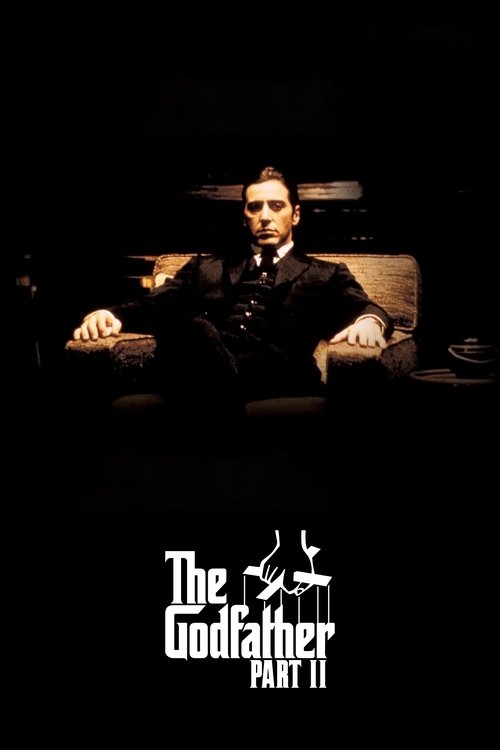
The Godfather 2 (1974) is the second chapter of Francis Ford Coppola's Crime/Drama trilogy. We follow 2 parallel storylines: One of young Vito Corleone's youth in Sicily, his rise and creation of the Corleone mafia in 1910's NYC, and his return to Italy in 1922. The other focusing on his son Michael Corleone as he expands the empire into Nevada and Cuba in the late 1950's, while dealing with betrayal, personal issues, and a loss of morality. Let's begin with the acting: Al Pacino is legendary as Michael Corleone for the 2nd film in a row, but for different reasons. There is no shred of innocence, likeability, or energy left, all we get is a supressed but authoritative performance with many layers and internal complexity. Pacino mirrors Marlon Brando with his careful line-delivery, intimidating presence, and haunting expressions that create a picture of complete control. His performance is highlighted by painful restraint, his constant poker face shows just how much he has changed and lost his soul to power, while every glance and pause in dialogue suggests he is calculating and planning something. It's not the first time Pacino gets praise for his eyes, but he always deserves it; He acts in a ground-breaking manner sometimes without speaking, communicating a vast range of emotions like suspicion, quiet rage, and profound isolation with his eyes alone. His performance is a joy to analyse in so many amazing scenes: During the sequence where he discovers Fredo's betrayal, Pacino masterfully conveys heartbreak, disbelief, but most of all the chilling comfort with what he now must do. During the abortion argument scene, Michael's cautiously maintained mask finally slips and we witness a rare burst of pure rage. There are also various moments where we see Michael sitting by himself, and we can do nothing but notice his perfectly portrayed moral emptiness and earned isolation. Robert De Niro is an equally fitting casting and delivers another immensely enjoyable performance worthy of the Oscar he won: De Niro performs in a quiet and powerful way just like Pacino, but adds notes of warmth, love, and confidence that were definitely needed. The subtlety and patience Vito possesses mirrors the hard work De Niro put into the role, spending months to learn the specific Sicilian dialect to bring a sense of realism and additionally studying Marlon Brando’s performance meticulously to echo his vocals, gestures, and mannerisms. De Niro depicts a man who knows his own power and strategizes confidently, but makes his rise natural, showing how power can grow from necessity rather than ambition. The highest pillar of his performance is duality; half the time, he is a tender and devoted family man who transitions in the other half to a cold-blooded killer. Even when he is in between these stages and exercising his influence, he projects an air of effortless respect and command that explains why people call him “Don”. John Cazale has a surprisingly world-class performance as Fredo, portraying the “weak” brother with a tragic and emotional humanity. He excelled at playing a man desperate for respect but crippled by his own inadequacy and makes the watcher sympathize with him, his fidgety and weak physical acting and stature conveyed his low status well while also contrasting with Pacino’s icy stillness. He has 3 utterly memorable and highly important scenes: The “I’m Smart!” outburst is where Cazale perfectly balances explosive anger with the heart wrenching realization of his own limitations. In the New Year’s Eve Kiss scene, his expression shifts from drunken celebration to sheer terror when he realizes Michael knows what he did. Finally, the fishing trip scene shows a weak man finding a strange peace in prayer and simple tasks, which makes his eventual fate completely devastating. One of the categories in which this sequel/prequel masterpiece outshines the first film is direction and production: Coppola boldly intertwines 2 timelines, giving them both all the time they need to succeed in a 3-hour long movie that somehow maintains almost flawless pacing. The Godfather 2 is one of the best-looking movies I’ve ever seen; The gorgeous pieces of Sicily, Cuba, NYC, and literally every place else in the movie is brought to life beautifully, and the design is immaculate and clearly deserving of its Oscar. The contrast between the warm and nostalgic palette of Vito’s story and the colder, darker tones of Michael’s life enhances the downfall and divide, even the period detail is so precise with costumes and sets that immerse the viewer in both eras. The amount of time it must have taken to build a lived-in and hopeful New York and an elegant but unstable Havana is mind-blowing, but indeed most of the stunning scenes in this movie could be paintings. At this point, it shouldn’t be surprising that Nino Rota’s score was outrageously good in this film as well, bringing joy, nostalgia, and enjoyability as well as evolving Godfather 1’s theme into something more mournful and reflective while tying the music into the themes. Of course, Rota also lets silence do its thing whenever needed. This movie presents power as something that corrupts and isolates rather than leading to fulfilment, which is something that’s as important as ever now. It contrasts the idea of building a legacy through community as opposed to maintaining it through control and fear, and it suggests that the journey to power or success can be a double-edged sword, depending on what path you take, or maybe even on how far along you are. GF2 is filled with so many marvellous representations and symbolisms: Different characters and events embody loyalty, betrayal, emasculation, pragmatism, loneliness, and morality. Numerous symbolisms exist like Lake Tahoe, glass and windows, the Statue of Liberty, religious icons, the empty chair, and the Kiss of Death. These narrative devices, themes and symbols made this film unbelievably rich in terms of making a story and turned it into one of the greatest universes in cinema history. As if that wasn’t enough, the story boasts the best parallels of all time: Vito builds the Corleone empire while Michael brings it over the edge. We see Vito interact with the local power, gaining respect and becoming a “hero of the people”, at the same time we see Michael build a large corporation built on evil instead of a family. When Vito kills The Black Hand, he does it himself and isn’t afraid to get his hands dirty, he commits murder to start his family’s safety, meanwhile Michael orders a hit on his own brother from a distance, a heartless murder committed on his family to ensure the business’ safety. In flashbacks, we see a lively and loving family growing and sharing simple meals, but in the present, we see a family without unity or hope for the future. There are also multiple scenes where Vito and Michael mirror each other just in how they stand, move, or look, making this a poetic tale of 2 similar but different people. It’s also worth noting that the transitions between these timelines were seamless and motivated. The ending sequence is one of those scenes I can confidently say should be studied and praised by audiences and storytellers forever: We first see a flashback of Sonny, Connie, Fredo, Tom, and Michael at the dinner table ready to surprise Vito for his birthday in 1941. It’s the only time we see most of the original cast reunited. Michael announces he has dropped out of college to join the marines, this news receives a horrible reaction from his older brothers, showing how even then he was the outsider of the family, disrespected because he wanted to forge his own path, Fredo is ironically the only one who shakes his hand in a rare moment of love between the two. As the family runs to the door to greet their father, Michael stays behind and sits at the table alone. This is the origin of his solitude, alienated because he wants to be a hero, then we switch to the present where he is alone because he became a monster for his family. The transition from the first scene to the second is a jarring switch of mood and tone that brings us to Michael’s harsh reality. We get an agonizing close-up of Michael sitting in his chair in his garden, the leaves are dead and scattered and he looks older than ever, he is weary and his eyes are hollow, staring into nothing. Michael has won, gotten rid of his enemies and kept his children, but the family he wanted and claimed to protect is gone, he has become the Don of an empty empire, and completely lost himself on the way. There is nothing left for Michael to say or do, so the film fades to black. Overall Rating: 10/10