Skip to content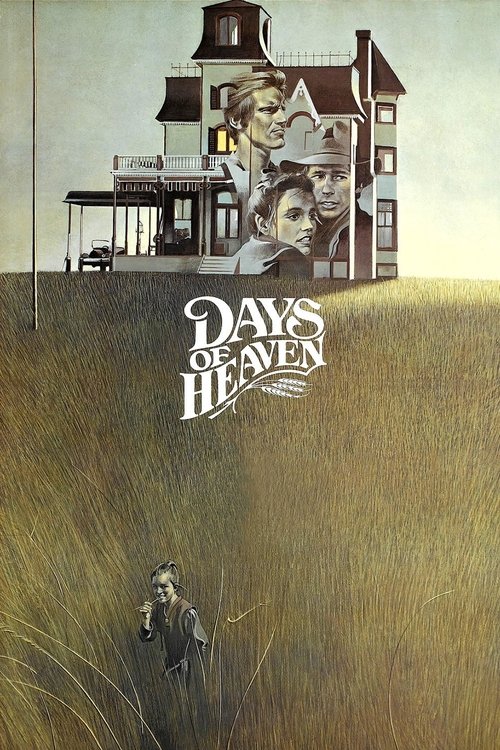

Recent activity
Days of Heaven8.4June 18, 2025
Honestly, I was already afraid that no film would surpass the cinematography of Barry Lyndon, and I was right. Even so, this film is absolutely unique, and I rank it just below Kubrick’s masterpiece. A magical film that constantly amazed me with its beauty and portrayal of human nature—so immersive that at times, I wished I could step into the screen, wander through the hayfields, smoke a cigarette, and laze by the water. I’d say the overall imagery and composition of the shots pull the viewer in so deeply that they might even feel physically present within the film. One of the few that achieves this. That said, I have a soft spot for films that span long periods, especially where the viewer experiences, say, a harsh winter in one minute and the awakening of spring in the next. Especially when it affects the story. Yet, despite all these aspects I love, the story felt occasionally uneven and rushed to me. Maybe it’s just my selfish desire to watch this piece for even an hour longer. A shame—but even so, this unique film and the cinematography of Mr. Malick and Mr. Almendros will stay etched in my memory for a very long time.
WHAT DID JACK DO?5.4June 18, 2025
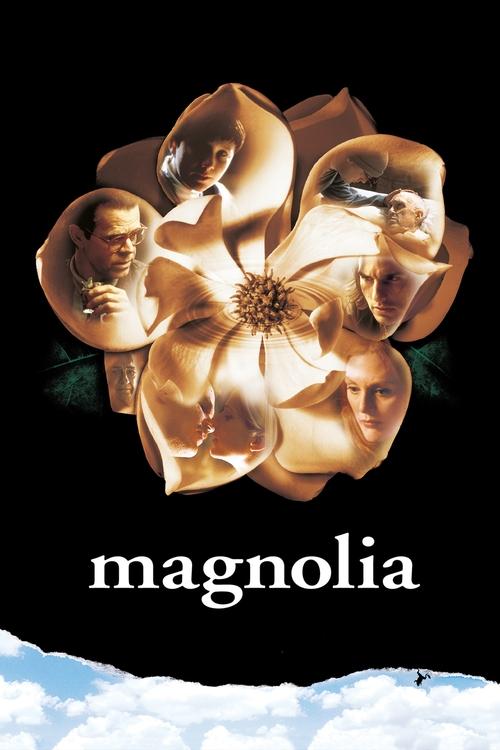
Magnolia9.4June 17, 2025
I admired this film even before learning more about it afterward. The symbolism and foreshadowing are actually quite simple, but they’re so subtle and effortless that it only hits you later. Anderson proves once again that he’s a genius of monologues and conversational dramas. I can’t wait to see more of his work.P.S. RESPECT THE COCK
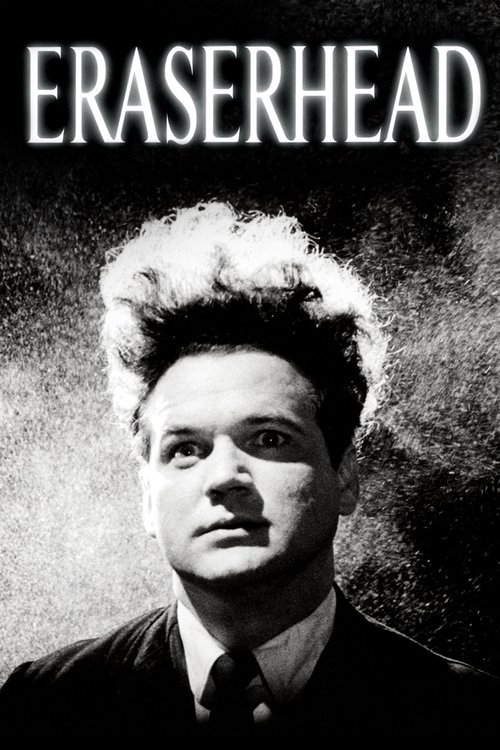
Eraserhead9.9June 17, 2025
This is how I imagine a K-hole might feel... My first viewing, and right away on the big screen in the front row. I’d like to interpret this work somehow, and honestly, documentary "The Art Life" helped me with that. It struck me as portraying less Lynch’s childhood and more his journey toward creating "Eraserhead," where it also concludes. I noticed a certain resemblance between the city where Henry lived and Lynch’s Philadelphia, which he despised and depicted in such a bleak way. The documentary also emphasized the grueling process of making the film, followed by his divorce with Peggy while she was pregnant. I sensed fear, anxiety, the weight of impending fatherhood—perhaps even fear for the child’s health, whether it would be born healthy and ready for an independent life, whether Lynch himself would be capable of providing that life, and how his surroundings would perceive him as a young father. There’s also so much here that’s nearly impossible to interpret—the mysterious worm-like thing in the cupboard; the enigmatic man on the planet (who, to me, implied the now-grown child); the Lady in the Radiator, who symbolized Henry’s dreamlike escape from his depressive reality. A woman faintly resembling Mary, dances and smiles despite absurdly stomping on tiny umbilical cord-worms(?), offering Henry hope for a better, carefree, childless life. Anyway, enough—I could yap about this for ages, but I think this suffices. I definitely needed to see this because, at the very least, it’ll give me more interesting dreams, an ingrained caution about parenthood, and the feeling like I’m on the drug crush.