Skip to content



Recent activity
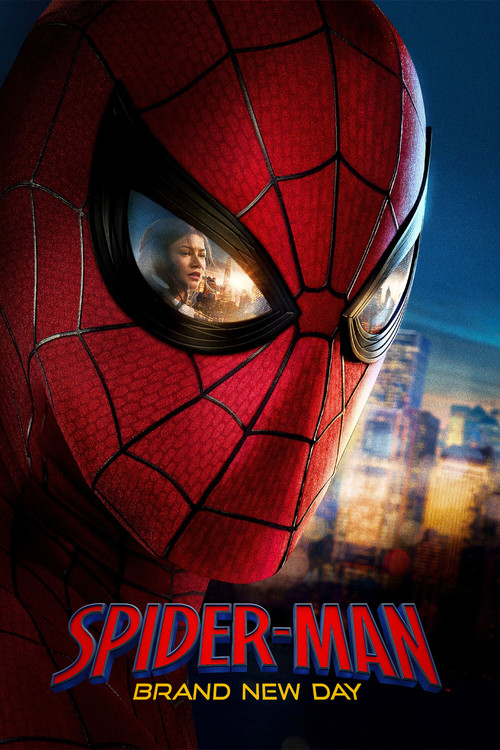
Spider-Man: Brand New Day8.0July 31
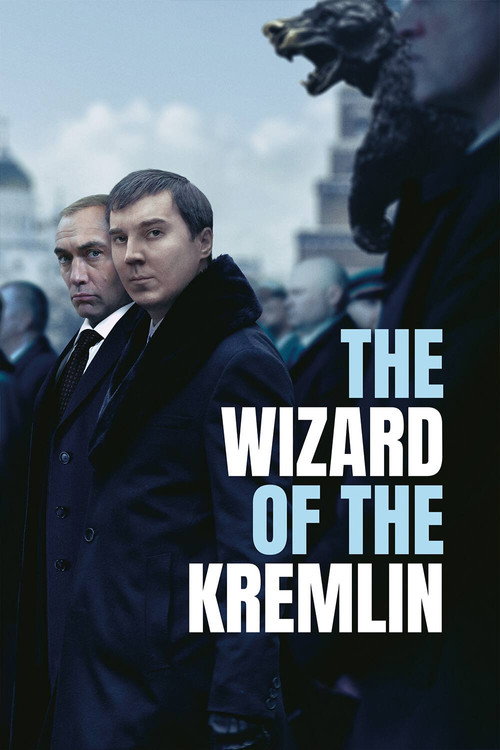
The Wizard of the Kremlin5.0May 5
Jude Law absolutely carries this movie. His performance feels layered, controlled, and genuinely intimidating in ways the rest of the cast never fully reaches. Most of the other performances felt dull or uninspired by comparison. What kept me engaged was the dialogue and subject matter. As someone who doesn’t usually gravitate toward historical or political stories, I found the themes of power, corruption, manipulation, and propaganda genuinely interesting. Seeing a civilization and political structure that feels distant from a Western perspective gave the film a unique sense of intrigue. That said, the editing constantly worked against the movie. The intercut historical footage and timeline jumps were often confusing rather than effective. There were multiple moments where I found myself asking “when was this?” or “who is this supposed to be?” instead of focusing on the actual scene. The sound mixing also made some of the dialogue difficult to follow, which hurts a film this dependent on conversation and political maneuvering. The emotional payoff is limited for most of the runtime, though the scene with his daughter near the end was one of the few moments that actually landed emotionally. A fascinating subject with strong themes and one standout performance, but weighed down by messy editing, uneven performances, and a lack of clear emotional progression.
The Devil Wears Prada 26.0May 3
DWP2 is a fun, fan-service movie that tries to get us excited about the toxic relationship between boss and coworker, the conniving personalities in the fashion world, and the consequences of poor communication—even when your entire job is communication. As you can probably tell, this movie has a lot of flaws. But it does something interesting—it kind of distracts you from them. Beautiful people, beautiful clothes, beautiful locations, and the worst parts of human behavior are all front and center. And honestly… it works. If you’re a fan of the first movie, or just want to watch good acting wrapped in a convoluted script that knows exactly who it’s pandering to, there are definitely worse ways to spend two hours. What makes the movie engaging is the protagonist. She’s smart, but constantly comes off as a little dimwitted in how she handles situations—always believing the best in people, even when they repeatedly show her otherwise. She’s surrounded by power, status, and money, and spends the entire film trying to navigate that world while consistently being overlooked or backstabbed, often because she puts others before herself. My biggest issue is how everything resolves. Almost nothing is earned—it’s all told after the fact. Major events happen off-screen, characters are just as surprised as we are, and then everyone moves on like it’s just another Tuesday. It removes any real sense of buildup or payoff. That said, the movie is still incredibly watchable. The visuals, performances, and overall aesthetic carry a lot of the experience. I could easily come back to this for the clothes, the acting, and the atmosphere alone. I know this movie is flawed—but it’s my kind of flawed. The kind you keep in the back of the freezer, like a carton of Ben & Jerry’s you go back to when you need it.
The Drama6.0April 7
An interesting case study built around the idea of how damaging unflattering information can be—especially when it challenges how someone thinks they understand you. The film explores different forms of prejudice and how they affect relationships, which makes it thought-provoking on a thematic level. There’s a lot here to unpack, and it’s the kind of movie that sparks more discussion after the fact than it does engagement while watching. That said, it often feels like an untested thesis rather than a fully realized story. The pacing is slow and occasionally repetitive, and some writing choices don’t fully make sense, which breaks immersion. The performances are also uneven, with the male lead carrying most of the weight. There are strong ideas here, but the execution doesn’t fully support them. More interesting to talk about than to actually experience.