Skip to content


Recent activity
Mogul Mowgli8.0July 29
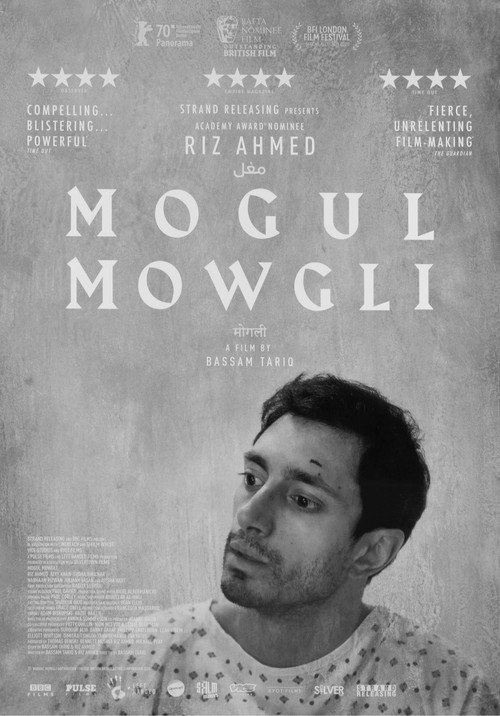
Bassem Tariq’s narrative film directorial debut touches on themes of broken identity, healing generational trauma, and assimilation. The 4:3 aspect ratio emphasizes the moments where Zaheer feels claustrophobic as well as the more intimate moments he shares with his loved ones. Cinematographer Anika Summerson does a great job at spacing these moments out with still shots that leave the characters with room to breathe and ruminate. I’m still thinking about the choice to commonly have space above characters’ heads left open. Maybe it’s meant to indicate the presence of God in those moments? While I at times agree with the common phrase ‘some things are better left unsaid’ I think the film would’ve benefitted with some resolution of the father’s trauma stemming from his experience during Partition. The short runtime definitely left room for more development of this subject and it likely would’ve provided more emotion to the final scene as both father and son reach an emotional catharsis together. Still, the surrealism and usage of dream states leaves me very excited for Bassem Tariq’s next project ‘Your Mother, Your Mother, Your Mother’ coming later this year.
The Worst Person in the World10.0July 28
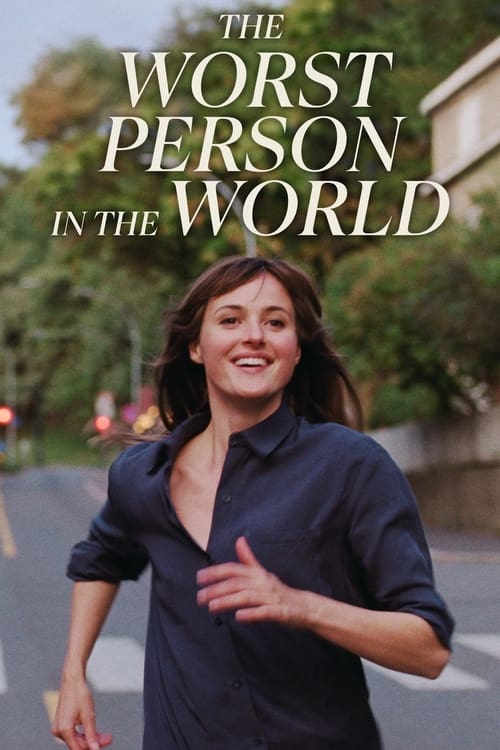
Although I am relatively new to analyzing or even thinking while watching movies and I haven’t watched much of what is considered to be ‘film canon’, I think Joachim Trier’s movies have something about them that resonate with me at a different level. I think part of it is definitely the fact that he focuses more on everyday human interactions and struggles rather than creating a conflict that allows you to zoom in on a particular aspect of humanity’s character. But I also feel that Trier just gets it in a way that no other director I’ve had the pleasure of watching yet does. The way he uses the camera, the way he writes, the way he must communicate with his actors culminates in absolutely beautiful movies that are almost indescribable. In this film, Renate Reinsve puts on an enchanting performance as Julie who encapsulates all the joy, anxiety, freedom, and constraints we feel as we grow older. As I said in my review of Sentimental Value, there are no ‘sides’ in this movie. Instead there are only people whom we see interact with Julie as she journeys through life, her romantic relationships, her familial relationships and her career. It leaves us with the message that it is okay to not have your life figured out. Your plans will change, you will fall in and out of love, and you must be mindful of the approaching end but do not be fearful of it otherwise all you will be left with are regrets.
The Invite8.0July 28
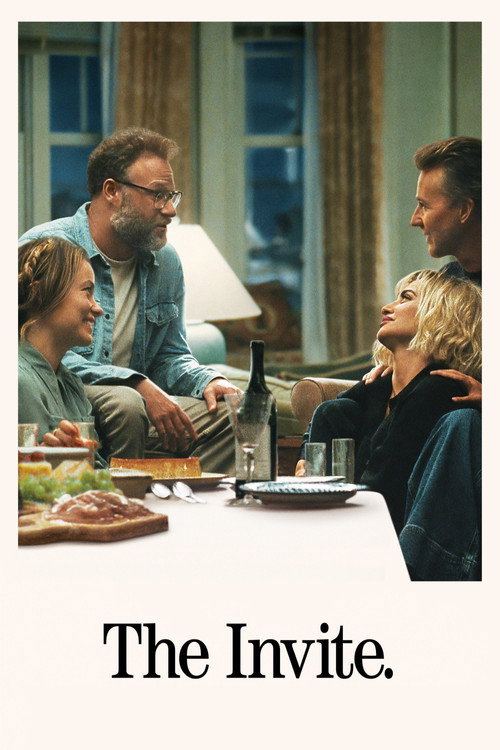
Olivia Wilde’s The Invite is an interesting movie that muddles the line between comedy and drama. The 4 person cast and single setting makes the film feel very intimate. All 4 performances were amazing and everyone hit their comedic beats perfectly. The tonal shift at the transition between the second and third acts was very well done and shed a light on the reality of broken relationships and how one fun night under the influence isn’t enough to magically repair years of gradual alienation. The ambiguous ending left me thinking quite deeply as well. I would love to ask Olivia Wilde if Joe and Angela have come to the realization that their relationship is over or if playing the piano is meant to signify starting a new relationship with the same person as Pińa so aptly put it. Perhaps there is no right answer at all.
War Dogs6.0July 27