Skip to content

Lorenz Horn
@lorenz_horn
**"I love the smell of napalm in the morning...** **Smells like victory."** 19 / Someone who loves cinema 🎥🍿 Cinephile and history enthusiast My Personal Rating Scale: 0.5/5 ½☆☆☆☆ : Unwatchable 1/5 ★☆☆☆☆ : Awful 1.5/5 ★½☆☆☆ : Bad 2/5 ★★☆☆☆ : Mediocre 2.5/5 ★★½☆☆ : Average 3/5 ★★★☆☆ : Decent 3.5/5 ★★★½☆ : Good 4/5 ★★★★☆ : Great 4.5/5 ★★★★½ : Masterpiece 5/5 ★★★★★ : Perfection
Recent activity
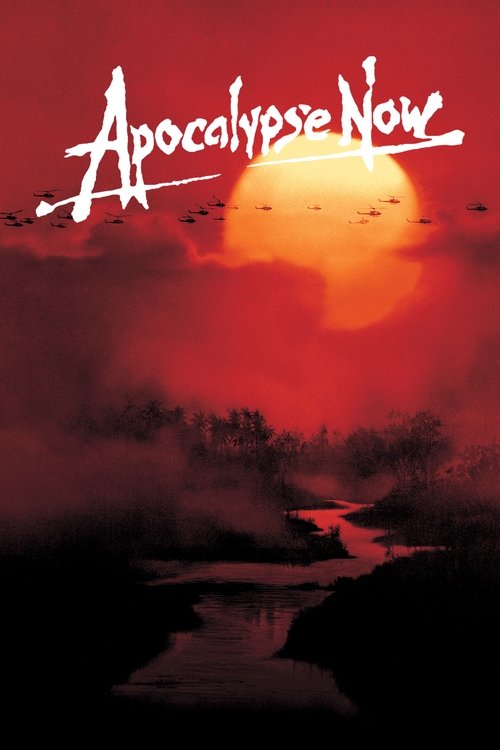
Apocalypse Now10.0October 27
*(Redux)* **"The horror... the horror..."** The Redux version not only perfectly captures the core elements and the film’s central message, but it also uses additional scenes to add greater depth, even if those scenes contribute little to the actual plot. As I did with the Final Cut, I analyzed the film’s journey through human history, and I’ve concluded that, regardless of the era, the exercise of power over others has always been the fundamental basis for life and death. The Redux version includes an additional sequence involving the Playboy Bunnies, a segment that neither advances the plot nor expands upon that symbolic historical journey. This scene carries its own distinct message, which is likely why it was removed entirely from the theatrical cut and later the Final Cut. Through the presence of the Playboy Bunnies, the scene suggests that any sense of innocence is swallowed up by the lust for war. In one moment, the "Playmate of the Year" tries to tell young Lance that she doesn't want to be there and is terrified by the brutality of the conflict. Lance, however, fails to hear her concerns, not out of contempt, but because he is a product of the war, embodying its very nature. As mentioned, in war, every form of innocence is consumed. Yet, when considering the Redux version as a whole, it becomes clear why this material didn't make it into the theatrical release or the Final Cut. While the scene’s message is certainly significant, it severely hampers the film’s pacing and, more importantly, its core narrative. What makes *Apocalypse Now* so perfect is its structure and the way it builds the story around Kurtz. We learn about a man who had everything, yet chose to leave it all behind, transforming from a decorated officer with a glorious career into a self-proclaimed God of War in the jungle. However, the Playboy sequence and the French plantation scene disrupt the film's tension, making it difficult to regain that momentum. While I personally value both of these scenes for the insights they offer into the characters' psychology and the film's underlying themes, they don't quite fit into the overall narrative framework. For anyone watching *Apocalypse Now* for the first time, I would recommend starting with the original theatrical cut, followed by the Final Cut and Redux. Ultimately, though, the choice is yours, regardless of which version you watch, the film remains an absolute masterpiece and, in my view, the magnum opus of cinematic art.
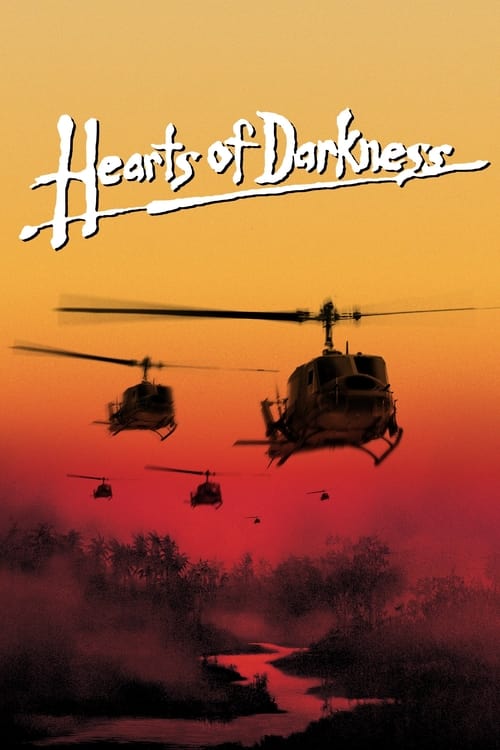
Hearts of Darkness: A Filmmaker's ApocalypseOctober 27
This documentary makes it clear what kind of hell Francis Coppola had to go through to bring this film to life. Knowing that Martin Sheen suffered a heart attack and that Coppola himself contemplated his own death gives the film an entirely different weight when watching it afterward. It is also fascinating to learn about the countless challenges Coppola had to face, from the Philippine government requisitioning helicopters for its own use to Marlon Brando, who pushed Coppola to the brink of madness. Considering everything that happened during production, it is nothing short of a miracle that this masterpiece of a film exists at all.
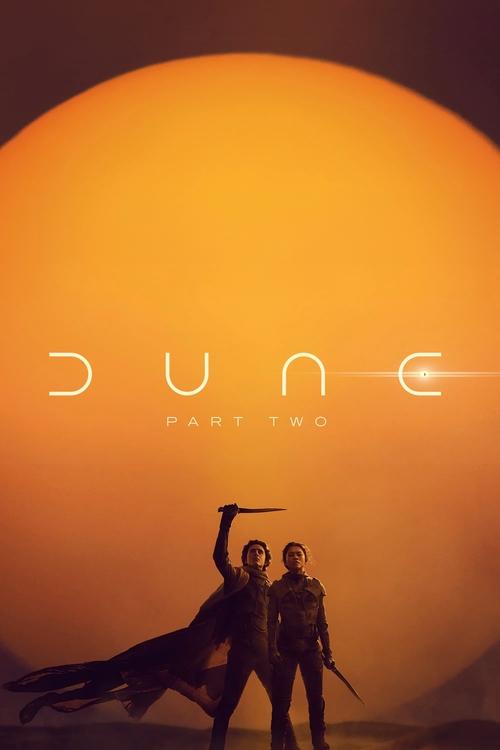
Dune: Part Two9.0October 26
With *Dune: Part Two*, Villeneuve builds upon the strengths of the first installment and improves upon them in almost every aspect. The film delves much deeper into the mythology of the Dune universe while also delivering a far more compelling plot. Ultimately, I am very curious to see how Villeneuve will conclude this trilogy with its final installment and whether it will go down in history as one of the greatest trilogies of the last few decades, if not the greatest.
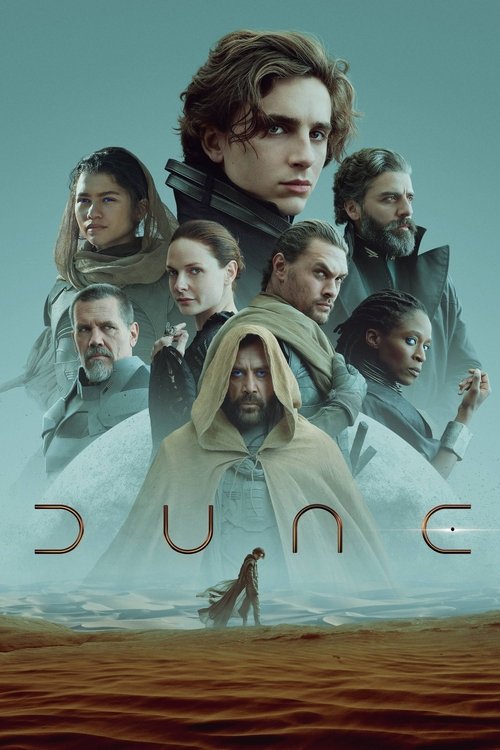
Dune8.0October 26
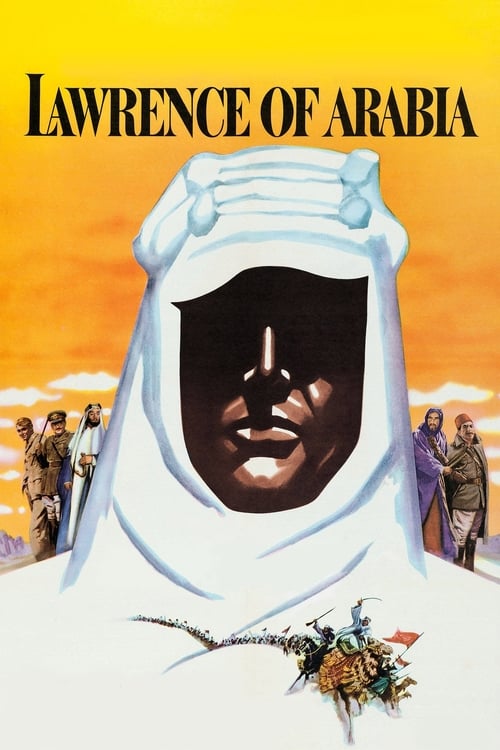
In my view, the visual influence of *Lawrence of Arabia* on this film is unmistakable. Villeneuve himself has described *Lawrence of Arabia* as a perfect film, and with *Dune*, he has transformed that historical epic into a science-fiction adventure. The cinematography and world-building were also masterfully executed. Ultimately, the film succeeds in creating a universe, one that was entirely new to many, and presenting it in an exceptionally credible way.