“Production Journal. This is not the film I thought I was making. I thought I could ignore the contradictions. I thought they were not part of the story. I was so wrong. They are becoming the story.” - Laura Poitras
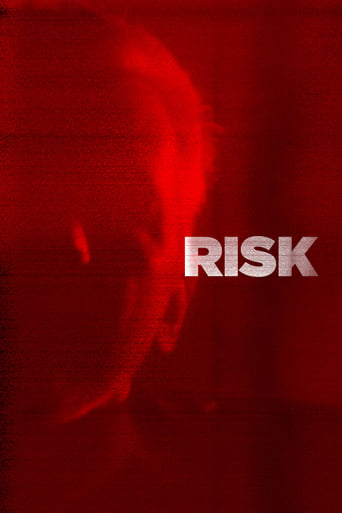
I feel like this quote sums up the issues some, including myself, have with this film. This film is fully at the mercy of the documentary-making process, as well as, from what I gather, the journalistic process. I’d perhaps make a case that the two are very similar, but I’m not a journalist. Perhaps I should have studied journalism instead of filmmaking, perhaps I should do a second degree in journalism. I digress, both processes seem to consist of researching the subject, verifying your information and putting what you have together into something informative, while adhering to ethical considerations.
Poitras has a very difficult subject to deal with, and I think under the circumstances, she deals with it the best she can. She’s documenting a lot of important events that may only have very tenuous links to each other, but have to be shown regardless because of their importance. What does she make the subject? Assange? Wikileaks and leaking in general? There is talk of her splitting the leak community. Should she have cast a spotlight on said wider community? or would that have bloated the film even more? With what's there, you ask yourself, what should be cut? I’ll admit, the Lady Gaga interview was very strange and quite jarring, but you sort of have to include it, because that was a noteworthy thing that happened during Assange’s asylum in the Ecuadorian embassy. What results is a documentary film that feels disjointed, to an audience that is used to things fitting neatly together.
It's possible that I'm forgiving because I've never made anything of this level, and I myself wouldn't know how to assemble this. Perhaps I am letting Poitras, a professional filmmaker, off too easily.
One could make an argument that the form was not befitting of the subject matter. Using the six forms of documentary taught in film schools as a way to identify its form, I would classify this as an 'observational' documentary due to its cinéma-vérité approach, with elements of 'reflexive', due to Poitras’ production journal voiceovers and referencing showing Assange a cut of the film. She acknowledges the difficulty of putting the film together, thereby reflecting on the filmmaking process. I myself would argue the film could have benefited from being more expository, as there was a lot of information to process, although it might have lost some of its impartiality and affected the audience's ability to reach their own conclusions. It’s why I appreciate the production journal voiceovers, as I feel they help guide the audience from this tangled mess of information a bit easier, giving them someone to temporarily align with, without influencing them too much.
In regard to Poitras’ career, I first watched Citizenfour, then All the Beauty and the Bloodshed. Since then, I’ve been making my way through her filmography chronologically. I’m glad I’ve seen All the Beauty and the Bloodshed prior as it reassured me that she hits her stride again after this. I must note, however, that I feel All the Beauty… deals with an arguably more cohesive subject matter.
Overall, Risk has too many intriguing elements to be ignored completely, but you’re also not exactly rewarded with much for engaging with it.