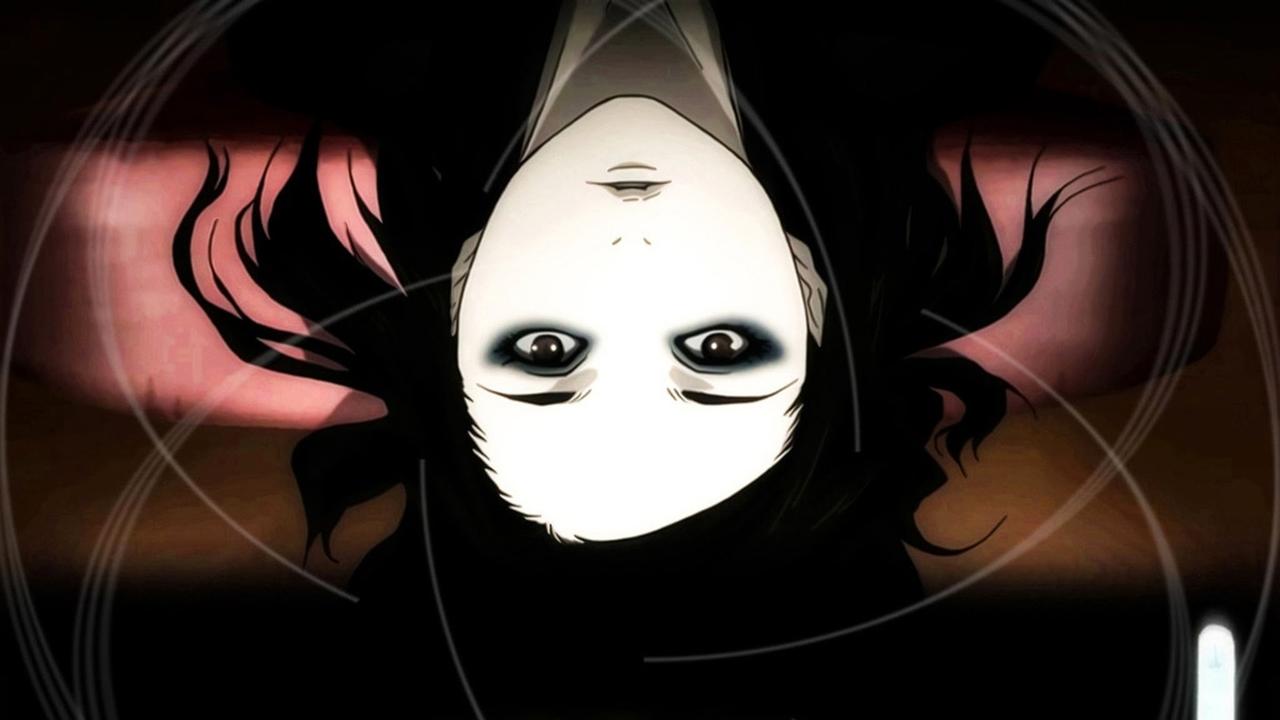
Ergo Proxy is definitely one of those series that rewards patience. It’s not flashy cyberpunk; instead, it leans into atmosphere, ambiguity, and slow-burn character work. Romdeau’s ruined domes, sterile cityscapes, and fractured wastelands mirror the characters’ inner states. Re-l Mayer’s journey feels less like a detective story and more like a descent into identity and consciousness. Vincent Law embodies the paradox of selfhood: the desire to escape who we are, and the inevitability of confronting it.
Somthing I appreciate is how philosophy isn’t window dressing here, it’s central. Cartesian doubt, Nietzschean will, and existential dread pulse through every episode. Even the pacing feels deliberate: silences, detours, and surreal interludes (yes, even the quiz show episode) all contribute to the texture of uncertainty. The series refuses to spoon-feed meaning, and that refusal is good.
Visually, it’s interesting, heavy shadows, and realistic yet stylized designs create unease. The opening, “Kiri”, perfectly captures the show’s melancholic beauty, and I love it; while Paranoid Android as the ending theme is an excellent choice.
Why 4.5 instead of 5? Not because of flaws, but recognition: Ergo Proxy is intentionally opaque. It demands patience, and sometimes that patience feels stretched thin. The animation could be sharper, but it’s not a major issue.
This is philosophy in motion, a meditation on what it means to be human when humanity itself is fractured, commodified, and uncertain. The proxies are reflections of our contradictions, born from the same impulse to create and destroy.
It’s a series that rewards rewatching, and I'll do it, because every layer you peel back reveals another knot of ideas: freedom, guilt, and the possibility that the self is both prison and salvation.
That’s why it earns 4.5 stars. Not flawless, but unforgettable. The kind of work that makes you pause and think, “I’ve never seen anything quite like this.” And isn’t that the highest compliment we can give art?