Skip to content 7.6Flick
 6.3Flick

 7.5Flick
 7.0Flick
 7.4Flick
 6.9Flick
 6.9Flick
 7.4Flick
 7.5Flick
 7.0Flick
 7.4Flick
 8.3Flick
 7.7Flick
 8.1Flick
 7.1Flick
 8.1Flick
 7.2Flick
 6.8Flick
 7.3Flick
 8.1Flick

 7.7Flick
 8.7Flick
 5.9Flick

 5.8Flick
 6.3Flick
 6.7Flick
 6.4Flick
 6.3Flick
 6.7Flick

 5.2Flick
 6.8Flick
 7.2Flick
 6.7Flick
 7.0Flick

 7.3Flick
 6.9Flick
 6.7Flick
 8.0Flick
 6.4Flick
 6.9Flick
 6.7Flick
 6.8Flick
 6.7Flick
168 films
The Northman
2022
Probably the most accurate representation we’re ever gon get. Best thing I can relate this to is the video game Hellblade: there’s a lot of action, a little bit of undiagnosed schizophrenia that comes off as monsters and mythical reality bending, legends, destiny, sacrifices, damp marshes and rocky terrain, magik, and just super atmospheric like you’re in the middle of fever dream


The Ritual
2017
The creature in the film is a Jötunn—in Norse myth they’re giant or monstrous beings: this Jötunn is described as an offspring of Loki (the trickster god), which fits loosely with mythology—Loki is the god of mischief and is famous for producing some very unsettling children. The forest cult, runes, and ritual sacrifices echo pre-Christian Norse pagan practices, especially the darker, folk-horror interpretations of them. The idea of an ancient godlike entity lurking in the Scandinavian wilderness lines up with Norse myth’s very nature-bound, brutal cosmology.
Norn
2018
Though this film is called Norn, I had a really hard time looking at the woman and thinking she was a Norn. Maybe the woman was simply not letting the girl be alone because the woman knew she was dying, or maybe she was leading the young girl to her death to become another Norn. For a short film not much is expected to be explained, but for its stunning ambiguity, I took this film in several directions: <blockquote>- in one way you could see the woman as Hel, for she knows that this young girl is going to die and as is the way of everything. Sympathetic, but also just in her actions for you cannot break the cycle. And as the young girl dies, Hel watches over and waits for the soul to go to Hell</blockquote><blockquote> -this could also be seen as a Valkyrie, but Valks bring soldiers to Valhalla after a battled death, not people of old age or disease (who go to Hell in Norse myth)</blockquote><blockquote>- the strongest argument could be that this is Odin or Loki himself, for whatever reason he has shapeshifted into a woman and is witnessing a life pass. As sad as it is, it’s all for the pursuit of knowledge and/or challenging fate. But this point is also too broad for it ACTUALLY to be one of them</blockquote>


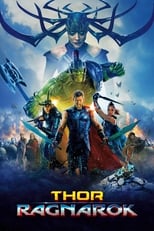
Thor: Ragnarok
2017
Interpretation of Ragnarök except: <blockquote>- instead of Loki v. Heimdal, Thanos kills them both</blockquote><blockquote>-instead of Odin v Fenrir (or Viðarr v Fenrir), its Hulk v Fenrir</blockquote><blockquote>-instead of Æsir v Vanir (or Thor v Loki w/ Hels undead), it’s now Thor/Loki vs Hela</blockquote><blockquote>- Thor kinda carries the battle and escapes his foretold death against Jormungandr</blockquote><blockquote>- Jormungandr, Viðarr, the Jotnar, all the surviving children of Thor and Odin, Baldr, Garmr, and other minor characters are missing entirely </blockquote><blockquote>-Surtr does destroy Asgard and the surviving Æsir take refuge on Midgard, Norway, to establish New Asgard (which is kinda accurate except instead of Valkyrie leading them it’s Baldur)</blockquote>

Mortal
2020
This film is directly inspired by Norse mythology, but it’s not a Viking-era story. Instead, it’s a modern-day story that uses Norse mythological ideas, especially those connected to the god Thor.  The main character, Eric, gradually discovers he has powers like Thor, particularly the ability to control lightning and storms. The story hints that he may actually be a descendant or incarnation of Thor. Near the end, he finds Thor’s mythological items, including: • Mjölnir • Járngreipr • Megingjörð
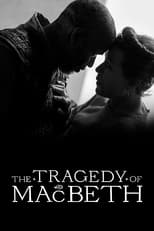
The Tragedy of Macbeth
2021
The Tragedy of Macbeth is deeply connected to Norse mythology, though it’s indirect and filtered through Shakespeare rather than being a straight mythological adaptation. The Witches (Weird Sisters): • The word “weird” comes from the Old English wyrd, meaning fate. • Wyrd is closely related to the Norse concept of fate, especially the Norns (Urðr, Verðandi, Skuld), who weave the destinies of humans and gods. • Like the Norns, the witches don’t force Macbeth’s actions — they reveal fate, and his choices bring it about. Fate Over Free Will: • Norse mythology emphasizes inescapable destiny (think Ragnarök). • Macbeth follows this same fatalism: once fate is spoken, everything feels locked in motion, even though Macbeth chooses his path. • This mirrors the Norse idea that knowing fate doesn’t grant escape — it only sharpens tragedy. Nature Out of Balance: • In Norse myth, when moral or cosmic order collapses, nature reacts (storms, darkness, animals behaving unnaturally). • In Macbeth, Scotland becomes sick: darkness at noon, horses eating each other, constant storms. • That’s very much a pagan/Norse worldview, not a Christian one. Warrior Culture: • Macbeth’s world is built on honor, battle, loyalty, and blood-feuds, closer to Viking-age ethics than medieval Christian morality. • Glory in combat, shame in weakness, and violent ambition align with Norse heroic culture.
Hagazussa
2017
Ties to ancient Germanic / Norse-era paganism, though it isn’t adapting a specific myth in the way Thor or The Northman does. The film lives in the same spiritual ecosystem as Norse and pre-Christian Alpine belief systems, which are closely related to early Germanic paganism. The title comes from Old High German: hagazussa ≈ “hedge-rider” or “fence-rider” Meaning: a woman who exists between worlds — civilization and wilderness, life and death, human and spirit. In Norse belief: • The völva (seeress / witch) also lived outside society • She crossed between Midgard and the spirit realm • She used trance, herbs, blood, and ritual to speak to unseen forces Hagazussa is essentially a völva-like figure, just in the Alps instead of Scandinavia.
The Last Kingdom: Seven Kings Must Die
2023
Born a Saxon noble in Bebbanburg, Northumbria, was taken by Danes and rebuilt his life as Utred son of Utred, a fearsome warrior. In this film he kills the last 7 kings of Norway to help king Æthelstan unite England into one single kingdom

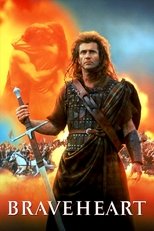
Braveheart
1995
Braveheart isn’t based on Celtic mythology in the way something like The Green Knight or Norse-inspired films are. It’s loosely rooted in Scottish history, specifically the life (and legend) of William Wallace, but it *borrows the vibe of Celtic myth rather than the stories themselves. <blockquote> • Mythic hero framing: Wallace is portrayed less like a historical figure and more like a Celtic folk hero—a larger-than-life warrior driven by honor, freedom, and destiny. That heroic ideal does align with Celtic legend archetypes.</blockquote><blockquote> • Nature & spirituality: The film leans into misty landscapes, ancestral land, and a spiritual bond with the earth—very Celtic in tone.</blockquote><blockquote> • Face paint & symbolism: The blue woad paint isn’t historically accurate for Wallace’s time, but it visually echoes ancient Briton and Pictish warriors, which are tied to Celtic culture.</blockquote>
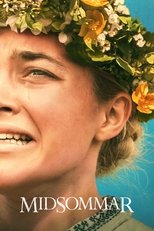
Midsommar
2019
<p>Depictions of :<br>- Physically and mentally disabled people leading groups kind of like a Norns<br>- Animal and human sacrifices of purification and fertility<br>- Mushroom hallucinogenics<br>-Blood eagle sacrifice<br>-the Maypole dance symbolizing the Yggdrasil <br>-9 sacrifices symbolizing the 9 days Odin hung from the Yggdrasil<br>-fire sacrifices for Odin and Freyr<br><br></p>
Fréwaka
2024
Celtic / Irish Folklore: • The film references Na Sídhe (aos sí) — supernatural beings from traditional Irish folklore often associated with fairies, spirits, or denizens of the Otherworld, who can interact with our world at liminal moments like weddings, births, and deaths.  • The story and imagery borrow from Irish mythic concepts and folk horror themes, using these legendary elements as a symbolic and narrative backbone to explore trauma, history, and female experience.  • Some interpretations of the film suggest the mysterious forces in the story are rooted in Celtic Otherworldly beings (fairies, the Sidhe) rather than invented creatures.
The Green Knight
2021
The Green Knight (2021) is based on Sir Gawain and the Green Knight, a 14th-century Arthurian poem. Arthurian legend sits in a Brittonic / Celtic world, and the movie leans heavily into that side rather than medieval Christianity alone. Key Celtic elements: • The Green Man – a very old Celtic folkloric figure tied to nature, death, rebirth, and the cycle of the seasons. The Green Knight is essentially a cinematic version of this. • Nature as judgment – forests, rot, moss, and time itself acting as moral forces is very Celtic in tone. • Beheading game – appears in Irish myth (notably in tales like Bricriu’s Feast), long before the Arthurian poem. • Otherworld logic – magic that feels ritualistic, symbolic, and rule-based rather than “spell casting” (very Celtic storytelling). Though this is a Celtic tale, in some ways Gawin represents Baldur for he must die for the worlds renewal. The Green Knight could represent a couple things: <blockquote>-Literally- he could be a nature giant, for the Jotnar tested the gods many times</blockquote><blockquote>-He could also be seen as Odin himself for in some interpretations of the story the Green Knight was every character that Gawin ran into to test him, and Odin disguises himself so many times in so many stories to test the faith and honor of people</blockquote><blockquote>-The journey itself could also be a reflection of Odins suffering, for he had to suffer to gain wisdom</blockquote><blockquote>-the choice of beheading resembles the beheading of Mimir, and though he was still a talking head Odin looked to him for wisdom</blockquote>


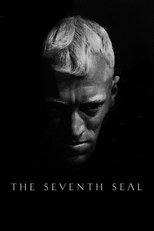
The Seventh Seal
1957
The film is Swedish, and its tone taps into the same emotional DNA as Norse myth: • A cold, silent world • A hero confronting inevitable fate • Gods that don’t answer • Death as a personal, looming presence • Existence treated as a cosmic test of endurance Antonius Block feels a lot like a Viking hero who has realized the gods might not be real — a man who went on a crusade expecting meaning and came back to an empty universe. Even the chess game with Death echoes Norse ideas like: • Ragnarök — fate is already written • The Norns — destiny cannot be escaped, only delayed • Odin — a god who seeks knowledge even when it leads to doom So while The Seventh Seal is Christian in text, it is Norse in spirit: bleak, fatalistic, poetic, and obsessed with what happens when humans stare into the void and get no answer back.


How to Train Your Dragon
2025
If you think the animated version had accurate representation, oh lord just wait til you see this one. Obviously no one wore those horned helmets and there is a lot to be dramatized for movie purposes, but everything about the people and lifestyle SCREAMS Vikings: Fur coats, great halls, seeress’, longships, big ol Odin statues, everything just feels great, rich, and so much more expansive


Wild Strawberries
1957
The title’s “wild strawberries” are tied to fleeting childhood memories and innocence. In Scandinavian folklore (closely linked with Norse myth), berries and forests often mark thresholds between the mundane and the magical/spiritual
You Won't Be Alone
2022
This film has very strong connections to Balkan folklore, and while it’s not directly Norse, it shares deep mythological DNA with it — especially through its themes of shapeshifting, witchcraft, fate, and the cycles of life and death. This film focuses deeply on what it means to be human


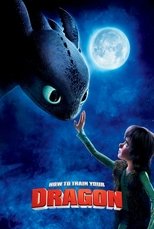
How to Train Your Dragon
2010
Representation of general Viking life, architecture, and culture… plus dragons
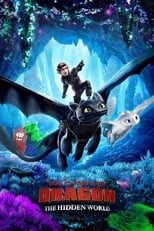
How to Train Your Dragon: The Hidden World
2019
Accurate Viking wedding and ceremonial tribe inauguration
Brave
2012
<blockquote>-Mor’du the Berzerkr bear/ the shapeshifting Druid</blockquote><blockquote>- The Mother bear and the children representing a kind of Selkies or charmed human like a wolf walker</blockquote><blockquote>- Celtic Will o Wisps</blockquote><blockquote>-The old cailleach/ ugly witch in the woods</blockquote><blockquote>-The standing stones fairy portal</blockquote><blockquote>-Fate and threads associating with the goddess Morrígan and mythic destiny</blockquote>
The Secret of Kells
2009
From the perspective of Irishmen, a young scholars uncle builds a wall to keep out the Northman (Vikings) and save art and literature from destruction. Antsy for adventure, the young scholar leaves his fortified home and is greeted with a spirit of the forest (he mentions she is a fairy with no further confirmation, but she could also be a wolf walker, or a physical embodiment of a wisp due to her youth and mischievous nature but wisps aren’t known to shapeshift). As Vikings draw closer to the village, the young scholar eventually escapes leaving his uncle behind, both thinking they have died in the raid. Decades pass, the young scholar is now a full scholar/priest and has saved the Book of Iona and patchworked his own art creating the Book of Cels (Kells). Alright, now the meat: I took this film deliberately intriguing in many aspects: <blockquote>-First and foremost probably the most important— The art style: Traditional jelling and ringerike interlocking algo-Saxon designs (even though Norwegian culture had an runic alphabet of sorts they had no written language or art, but these art styles are best known as Viking art style). The way it has such a hypnotizing and ethereal feel compliments the astrological and otherworldly aspects of Norse mythology’s levels of life and death (Nine Realms/ Space/ Time). Plus the use of making the Northman shadow like demons talking in foreign tongues implements the idea further for underworldy and magical threats that are still being found. There’s also a transition in art from when Brendon is young and how he ages; the art style transitions from sketchy, jelling, flat but wide FOV, into more paint like splotches and strokes and much broader scenery symbolizing Brendon’s growth from the magical and unknown to knowing himself and how to control his paint strokes (or his own story)</blockquote><blockquote>-The plot of the Abbot building a wall reminded me a lot of the story of Hrimthur building the walls around Asgard. The Abbot could be seen as Odin, enforcing refuge for ultimate knowledge through “saved” scholars (Mimir). He could also be seen as Hrimthur himself because the Abbot is planning and building the walls himself, and his undeniable ignorance to security ultimately is the flaw in the walls design leading to destruction (Ragnarok). Brendon could either be seen as Baldur, for the Abbot thought he died and came to him before his death to sanction a new beginning (plus if you count the crystal to be illuminating, you could also call Brendon the “light bearer” which is another alias for Bauldr) —He could also be seen as a young Thor or Loki, desiring for meaning, adventure, and knowledge to the world around them they will soon inherit; more so Loki then Thor due to the animal guide likeness and trickster personality, BUT Brendon did take the crystal eye from a Jormungander like creature so the stories intertwine</blockquote>

Wolfwalkers
2020
<b>Werewolves of Ossory</b> — medieval Irish tales about people who could turn into wolves while their human bodies slept
Animated Epics: Beowulf
1998
A more literal animated short about Beowulf vs the Grendel— more of a swampy, elemental bog monster in this

The Last Unicorn
1982
<p>There are several mythologies in this movie:<br><br>Manticores, Harpies, Unicorns, Midgard Serpent (Jormungandr), Wizards and Cailleechs (creepy witch woman in the woods), Saytrs, and beasts taking physical form through Mythic shadows </p>


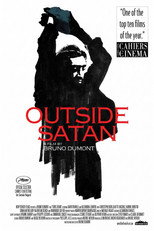
Outside Satan
2011
<b>1. Cultists and ritual societies</b> (Mythic-religious archetypes) Some groups clearly practice: • Blood rituals • Sacrifice • Idol worship • Dark religious devotion These aren’t tied to one real mythology but pull from: • Mesoamerican sacrifice imagery • Pagan cult symbolism • Mythic horror traditions This is where Primal fully becomes mythological rather than historical. ⸻ <b>2. Early Celtic-like tribes</b> (Iron Age / proto-Celtic inspiration) Later seasons introduce groups resembling: • Early Celtic or Gaulish peoples • Painted warriors • Circular shields • Tribal kings • Strong warrior codes These resemble: • Pre-Roman Celtic Europe • Pictish imagery • Druidic undertones (though not explicit druids) They represent honor-based tribal societies, very different from slavers. ⸻ <b>3. Witch-like or sorcerer figures</b> (Mythic humanity) Certain humans wield: • Supernatural powers • Dark magic • Shape-shifting or elemental abilities These figures are: • Not realistic • Fully mythic They symbolize humanity discovering magic alongside violence. ⸻ <b>4. The Viking-like warlord (Season 2 antagonist)</b> (Norse-inspired archetype) The main antagonist in later episodes strongly resembles: • A Norse berserker king • Horned imagery • Obsession with conquest • Valhalla-like death beliefs He isn’t literally Norse, but clearly inspired by: • Viking warrior mythology • Odin/berserker archetypes • Warrior-afterlife belief systems This is the most overt mythological human culture in the show.


Princess Mononoke
1997
<b>Shinto & Japanese folklore:</b> • Forest kami (spirits), animal gods, and sacred land • Nature as living, conscious, and morally complex • Pollution = spiritual corruption (the boar god’s curse) Miyazaki has been very clear that this is Japanese animism, not European myth. ⸻ Why it feels Celtic anyway: 1. Animistic worldview (very Celtic, not very Norse) • Celtic myth treats rivers, trees, animals, and land itself as alive • Spirits are immanent, not distant gods • This mirrors: • The Forest Spirit • The animal gods (Moro, Okkoto) • The idea that killing the land damages the soul Norse myth, by contrast, is more cosmic and fate-driven than land-embedded
Beowulf
2007
Weird motion capture film about Beowulf vs the Grendel. Grendel is more of a patchwork, mutated human/beast which is kind of more accurate to its troll-ish/ ogre like descriptions from the poems
The Silver Fleet
1943
More of a generalized lifestyle show similar to the show Vikings on Hulu or The Last Kingdom on Netflix. The story and portrayal demonstrates a lot of the social systems amongst the Viking clans, rankings in government, religious beliefs on war and rituals, and the drive to fulfilling fate/ destiny. More literal and stylistic rather than mythical element imagery or heavy metaphorical messages


Troll
2022
This film does draw on Nordic mythology and folklore, but it’s not a direct adaptation of ancient mythological stories in the way a film like The Northman uses specific Norse sagas. Instead, it uses the idea of trolls from <b>Scandinavian folklore</b>, which do have roots in old Norse tradition, as the foundation for its monster.  <b>Mythological traits show up in the story:</b> The film incorporates several classic folklore beliefs about trolls, such as: • Turning to stone in sunlight — a common feature in Norse-origin legends that appears in the movie’s climax.  • Aversion to Christianity and bells — folklore often links trolls with old pagan beliefs and contrasts them with Christian symbols, a theme the film plays with.  The movie uses all of these elements. It even ties the creature to Norway’s mountainous landscape in a way that feels very rooted in folk legend. ⸻ <b>Norse Mythology — Indirect / Older Roots:</b> Troll-like beings appear in Old Norse literature such as the Poetic Edda and the Prose Edda, but they aren’t central gods like Thor or Odin. In Norse texts: • The word troll was sometimes used broadly for supernatural beings • Some giants (jötnar) overlap conceptually with later troll folklore • They’re often chaotic forces of nature Over time, Norse myth blended into later Scandinavian folklore, and trolls became more clearly defined as mountain-dwelling creatures — which is the version the movie draws from.
Troll 2
2025
<b><i>Olaf II Haraldsson (Olaf the Holy)</i></b> Olaf the Holy was a Viking-age king of Norway who ruled from 1015 to 1028 and later became one of Scandinavia’s most important Christian saints. Early Life: • Born around 995 CE. • A Viking warrior in his youth, raiding in places like England and France. • Influenced by Christianity during his travels and was baptized (likely in Rouen, France). King of Norway: When he became king, Olaf: • Worked to unify Norway under one centralized monarchy. • Aggressively promoted Christianity, often forcing conversion. • Broke the power of local pagan chieftains. His strict rule made him enemies, especially among powerful Norwegian nobles and the Danish king, Cnut the Great. Death: Olaf lost his throne and was killed in 1030 at the Battle of Stiklestad while trying to reclaim Norway. ⸻ <i><b>Why “The Holy”?</b></i> After his death: • Reports of miracles began. • His body was said not to decompose. • He was quickly declared a saint. He became St. Olaf, the patron saint of Norway, and his cult helped cement Christianity in the region. ⸻ The troll-killing stories about Olaf II Haraldsson (St. Olaf) come mostly from later medieval legends and sagas — especially accounts written in works like Heimskringla by Snorri Sturluson. Olaf’s troll-slaying legends are widely interpreted as Christianity conquering pagan Norway. Instead of saying “Olaf violently suppressed pagan holdouts,” the story becomes: • The saintly king drives out monsters. • Churches replace troll mountains. • Pagan spirits turn to stone. It’s mythologized political and religious change.

Viking Wolf
2022
(original title Vikingulven) a Norwegian horror film that draws on Scandinavian folklore, but it isn’t a straight adaptation of any specific Norse myth or saga: • Viking-era roots – The film suggests the werewolf curse may trace back to the Viking Age, tying the monster’s origin to Norse history. • Berserker influence – In Norse tradition, ulfheðnar (wolf-warriors) were said to wear wolf pelts and fight with animalistic fury. The movie leans into this idea of a human becoming something feral and mythic. • Scandinavian folklore vibe – While not directly about gods like Odin or Fenrir, the wolf imagery naturally echoes Fenrir — the monstrous wolf destined to kill Odin at Ragnarök.


The Water Horse
2007
The movie is directly inspired by Scottish Celtic folklore, specifically: The Kelpie / Each-Uisge (Water Horse) • A shape-shifting water spirit from Scottish Highlands mythology • Usually appears as a horse near lakes or rivers • Lures people (especially children) onto its back • Then drags them underwater The creature in the movie, Crusoe, is a gentler reinterpretation of this myth. In traditional Celtic lore, water horses are: • Dangerous • Wild • Symbols of untamed nature • Tied closely to deep lakes (especially loch mythology, like Loch Ness)

Lamb
2021
Lamb isn’t based on one specific, well-known folktale—but it heavily pulls from Icelandic and broader Nordic folklore traditions, especially stories about human–animal hybrids and nature “taking something back.” The closest direct parallel is the Icelandic folktale of the yule cat (Jólakötturinn), and other rural myths where animals or spirits punish humans—but even more relevant are lesser-known stories about “hidden people” (Huldufólk) and nature spirits interfering with human lives. But the strongest thematic connection is to a broader archetype you see across European folklore: - Humans try to control or steal from nature - Nature responds by creating something unnatural (like a hybrid child) - There’s always a price that gets paid later That idea shows up in myths about: - Changeling children (fairy folklore) - Animal-human hybrids in Nordic tales - Stories where grief or desperation leads to unnatural births or bargains
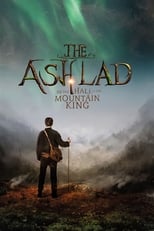

The Mask
1994
<p>In the Edda, Loki is constantly changing forms (mare, salmon, snakes, wolfs, etc). Because he makes so many changes he has symbolically been linked to the mask as a tool of transformation. Loki is also the god of mischief and the masks grants the wearer magical cartoonish powers</p>

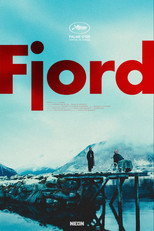

R U Invited?
2006
Kind of has nothing to do with Norse mythology until the last episode of S2 when Loki connects himself to the branched timelines via the Yggdrasil
The Watchers
2024
The film uses Irish folklore lore such as fairy mounds, the Aos Sí (fairy folk), changeling legends, and the idea of fae beings being driven underground or to a different realm by humans
Black Death
2010
Though not strictly Viking or Norse, the gang is attacked by some barbarian-like warriors in the wilderness, even though this is several centuries after the Viking age. The character Ulric and his crew all seem like they come from a bloodline of Vikings turned Christian’s and all lived in rough, gritty England. BUT the whole plot revolves a Necromancer. In Old Norse, practices involving communicating with or raising the dead were called “seiðr” (pronounced sayth-r) and “galdr”, forms of magic and divination. Necromancy wasn’t always about evil sorcery — it was more about gaining knowledge or prophecy from the dead. In the Völuspá (the first poem of the Poetic Edda), Odin raises a dead völva (seeress) from her grave to question her about the creation of the world and the fate of the gods — essentially a necromantic ritual.
The Suicide Squad
2021
The US is trying to get rid of their <i>giant </i>problem in a facility called <i>Jötunheim</i>
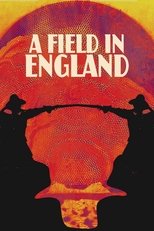


Black Phone 2
2025
Had NOTHING to do with any deeper myth or historical lore, but a subtle connection between Christianity and Norse myth is made: The whole theme of the movie revolves around this haunted summer camp that’s been snowed in— the grabber mentions that Hell is not flames, but rather ice and cold, and nothing burns more than the freezing cold. In Norse mythology the realm of Hel is often described as cold, desolate, unbearable suffering and frost in comparison to the more traditionalized Christian ideology that Hell is a land of flames and eternal suffering when rejected from Heaven.


Kon-Tiki
2012
The film is about obsession, courage, faith in the impossible, and man’s relationship with nature and fate. It’s deeply symbolic, portraying Heyerdahl almost like a modern-day Viking explorer, venturing into the unknown using nothing but will and belief.


Ragnarok
Short film about a Viking girl fighting Jormungandr with Gugnir (Odins spear) and not Mjolnir?


Godland
2022
The Icelandic wilderness in the film isn’t just scenery — it’s alive, vast, and indifferent, like a god. That idea comes straight from Norse cosmology, where nature (ice, volcano, ocean) is sacred and dangerous. The priest’s journey feels like a pagan quest — crossing elemental realms (ice, fire, death) in search of meaning. This echoes Norse hero journeys, where man’s arrogance before nature leads to spiritual undoing.

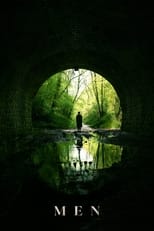




Heretic
2024
Not a norse film at all, but a connection is made between every religion and how one holy person is born on Christmas, dies and is resurrected as light— in this case he does mention Bauldr, for Bauldr dies from mistletoe by Lokis tricks, and then is resurrected after Ragnarok to lead the new world. Bauldrs name/alias is also “the shining one” or “the light bearer”


Highlander
1986
<b>Celtic connections (stronger, but indirect)</b> Setting & imagery: • Large portions take place in Scotland, immediately invoking Celtic culture. • The Highlands, clans, tartans, and misty landscapes lean heavily into a romanticized Celtic past. Immortality & cycles: • Celtic mythology often treats time as cyclical, with heroes who persist across ages. • The Immortals in Highlander echo figures like: • Fionn mac Cumhaill (long-lived hero, semi-mythic) • Cú Chulainn, whose life is bound by fate and combat • The idea of warriors bound to destiny rather than gods fits Celtic heroic myth more than Norse cosmology. The Gathering: • Feels similar to Celtic mythic trials or end-of-age reckonings (e.g., battles tied to sovereignty, kingship, or the land). • Power being transferred through death mirrors Celtic concepts of spiritual essence rather than Valhalla-style afterlife. ⸻ <b>Norse connections (very light, mostly thematic)</b> Combat-based worth: • “There can be only one” echoes the Norse emphasis on martial supremacy, but: • Norse warriors usually die to gain glory (Valhalla). • Highlander warriors avoid death entirely—almost the opposite philosophy. Lightning / Quickening: • The energy transfer visuals look vaguely Odin/Thor-adjacent, but: • No Yggdrasil, no gods, no runic cosmology. • The power is biological/mystical, not divine. So if there’s Norse influence, it’s aesthetic at best, not structural.

The Lighthouse
2019
This film comes from a Greek mythology background (especially Prometheus and Proteus) with 19th-century maritime folklore and old sea tales to bring the madness to life, but shares a lot of similarities with Norse mythology: While not a literal adaptation, Norse elements absolutely haunt the film’s atmosphere: 1. Willem Dafoe as a sea god archetype • His character strongly resembles Ægir, the Norse god of the sea: • Violent • Drunken • Punitive toward those who disrespect the ocean • His famous curse monologue feels like a mythic god pronouncing doom, very saga-like. 2. The sea as a conscious, judging force • In Norse myth, the sea is not neutral — it is alive, moody, and vengeful. • This aligns with Norse cosmology more than modern realism. 3. Masculine ordeal and madness • Norse sagas often center on: • Isolation • Tests of endurance • Men driven mad by pride, obsession, or divine punishment • Ephraim’s descent feels like a failed heroic trial rather than psychological realism alone.

Anemone
2025
Though this films myths are more rooted in Mediterranean mythology, the film’s estranged brothers echo Thor & Loki — siblings whose relationship mixes guilt, betrayal, love, and attempts at reconciliation. The emotional volatility and moral ambiguity of the film fits especially well with the “trickster–warrior” sibling dynamic. Norse myths treat family conflict as world-shaping, just as the film treats the brothers’ emotional wounds as the center of its universe. Much of the film takes place in isolated, dangerous nature, which in Norse cosmology represents the border between Midgard (human world) and Jötunheim (wild, chaotic lands of giants)— A place where psychological truths become visible for ordeals, visions, and transformations


Against the Ice
2022
<b><i>Denmark, Greenland & Territorial Claims</i></b> At the time, Greenland was under Danish control. However, the northeastern part of Greenland had been left unmapped, and there were competing claims — particularly from the United States. An American explorer, Robert Peary, had claimed that Greenland might actually be divided by a channel — meaning part of it could potentially be claimed separately. Denmark needed proof that: • Greenland was one continuous landmass • Therefore, the whole island belonged to Denmark That’s where the expedition comes in. ⸻ <b><i>The Denmark Expedition (1906–1908)</i></b> Led by Ludvig Mylius-Erichsen, the expedition set out to map northeastern Greenland. During the mission: • Mylius-Erichsen and two companions went missing and died. • They had critical maps and documents with them. • Those documents were needed to confirm Greenland was not split by a channel. Two years later, Danish explorer Ejnar Mikkelsen led a follow-up mission to recover the lost records. He and a young mechanic, Iver Iversen, retrieved the documents — proving Greenland was continuous. But they became stranded for two brutal Arctic winters, which is the survival story the film focuses on.


The Hallow
2015
The creatures in the film are inspired by Celtic fairy lore, particularly the “sidhe” (pronounced shee) — supernatural beings who live in ancient mounds or forests. The film uses the idea of a changelings— when fairies or spirits steal a human baby and replace it with one of their own. It’s a classic Celtic myth that’s central to the movie’s plot. The film also draws on old pagan beliefs about sacred land and nature spirits that punish those who disturb their domain — an echo of pre-Christian Celtic reverence for forests, trees, and the “Otherworld.” I did think it was particularly ironic that the main character looses an eye to the forest to better understand his enemy… seems like a callback to Odin






The Dig
2021
The buried ship is the famous <b>Sutton Hoo</b> ship burial. Historally, the ship is believed to have belonged to <i>Rædwald</i>, an early 7th-century Anglo-Saxon king of East Anglia. What was buried? • A 27-meter (88-foot) wooden ship • A burial chamber filled with extraordinary treasures: • A ceremonial helmet • A shield and sword • Gold belt buckle and jewelry • Silverware from the Byzantine Empire • Coins used to help date the burial (early 600s) Interestingly, no body survived in the acidic soil, but the wealth and symbolism of the grave strongly suggest it was a royal burial. Why Rædwald? Rædwald ruled East Anglia around 599–624 AD and was one of the most powerful Anglo-Saxon kings of his time. The dates of the coins found in the burial line up closely with his death, which is why historians think the ship was his. In the film, this discovery takes place in 1939 at Sutton Hoo in Suffolk, excavated by Basil Brown for landowner Edith Pretty.


Outlaw King
2018
a historical drama centered on Robert the Bruce and the Scottish Wars of Independence in the early 1300s: • Real events and figures from medieval Scotland • The rebellion against Edward I of England • Battles like Loudoun Hill and guerrilla warfare tactics • A grounded, gritty depiction of medieval life It actually sticks reasonably close to historical events, though it compresses timelines and dramatizes things for storytelling.

Comments