
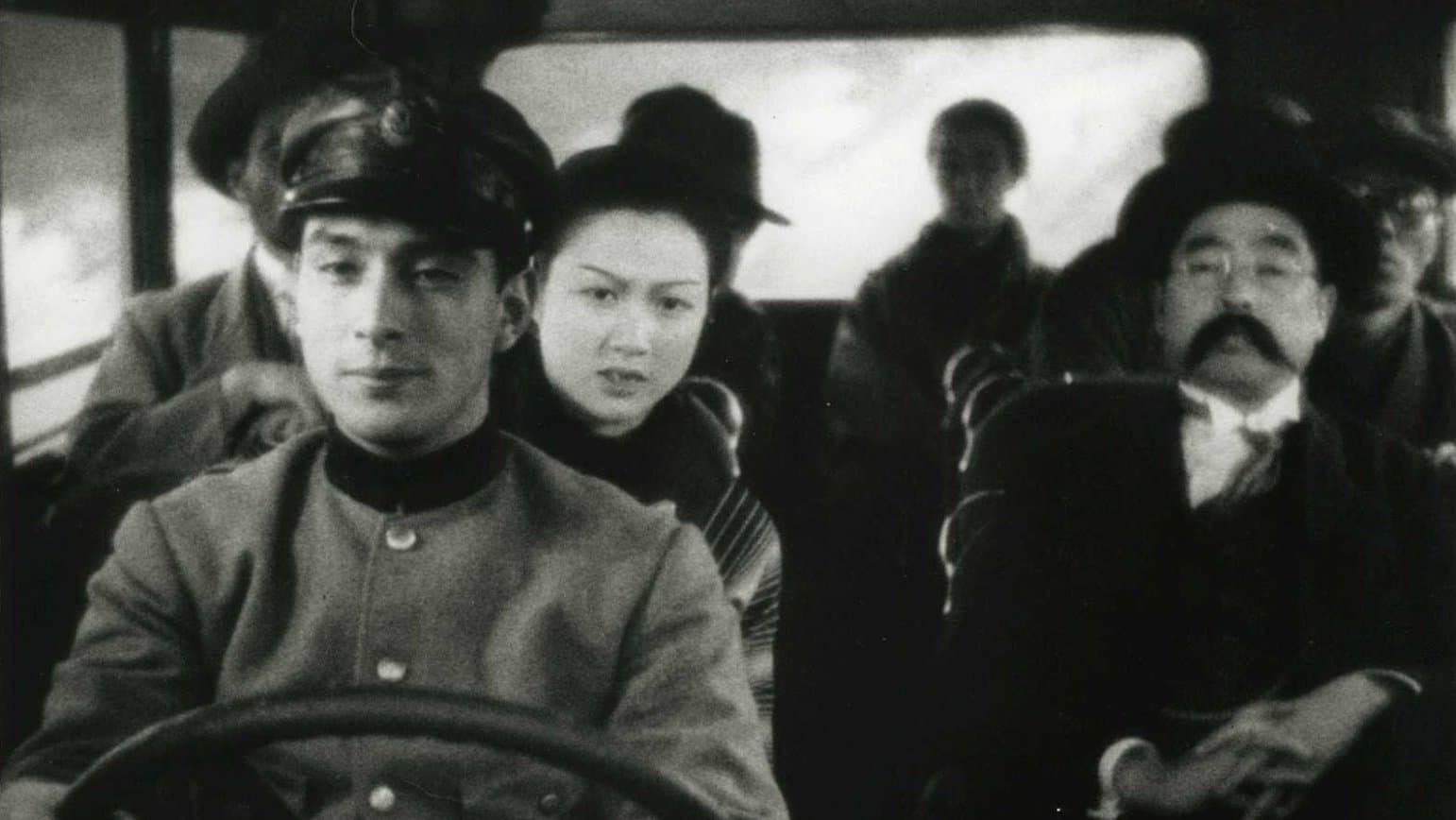
Mr. Thank You
1936·Drama·1h 16m
7.1
★

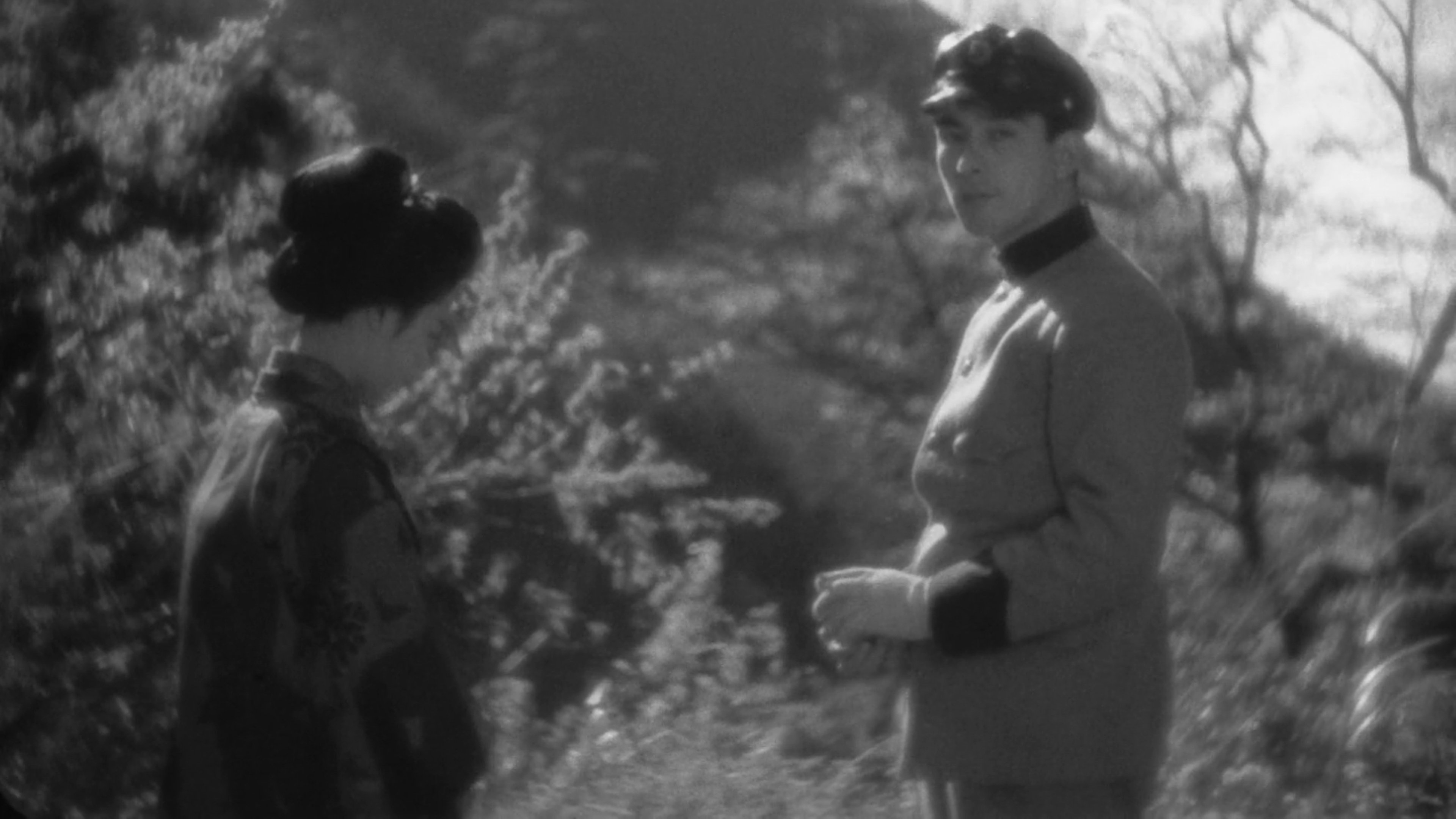
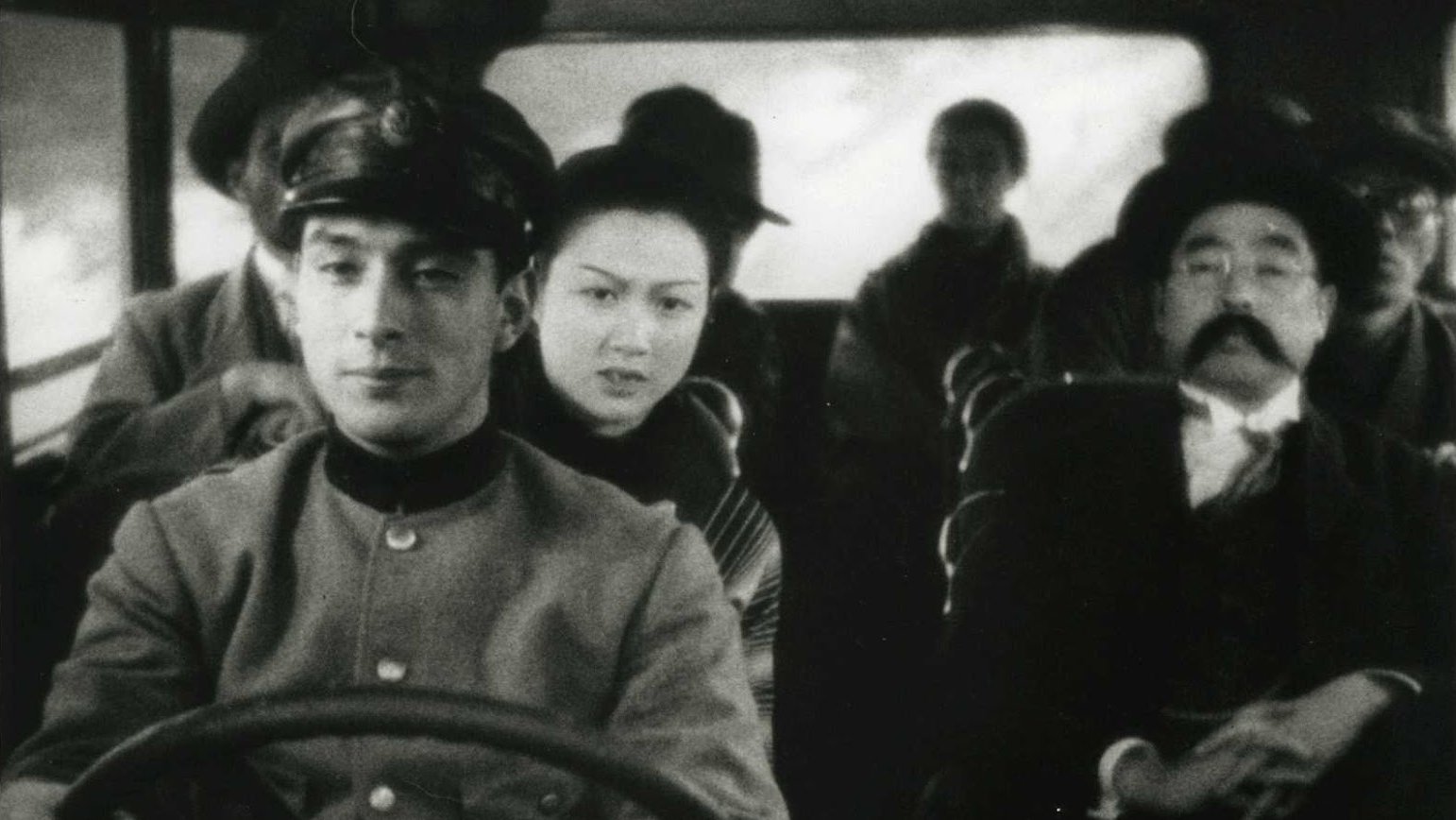
In Depression-era Japan, a courteous bus driver carries an eclectic group of passengers from the mountainous Izu to Tokyo.
Directed by Hiroshi Shimizu
countryside
bus ride
based on short story
bus trip
Where to Watch

Cast
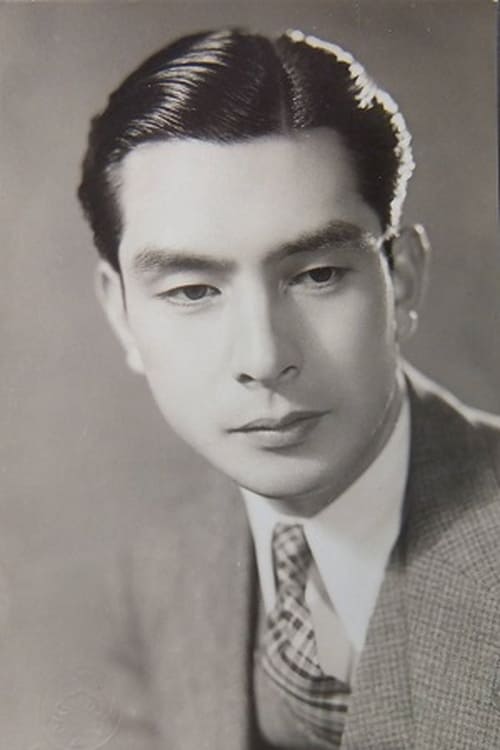
Ken Uehara
Mr. Thank You

Michiko Kuwano
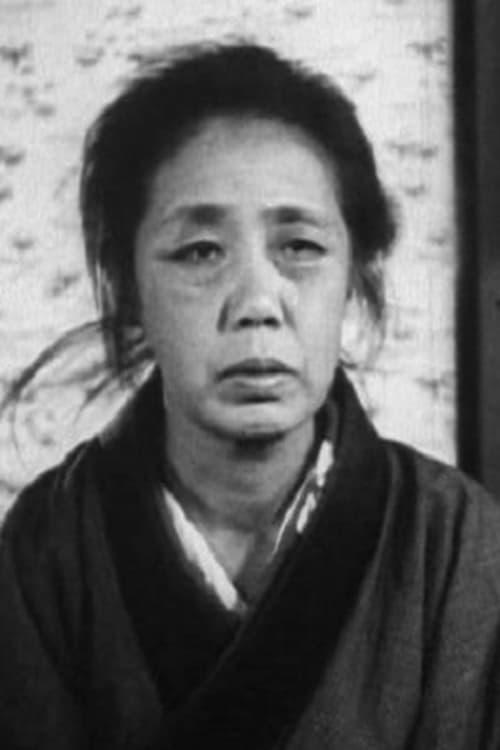
Woman with Black Collar
Kaoru Futaba
Mother
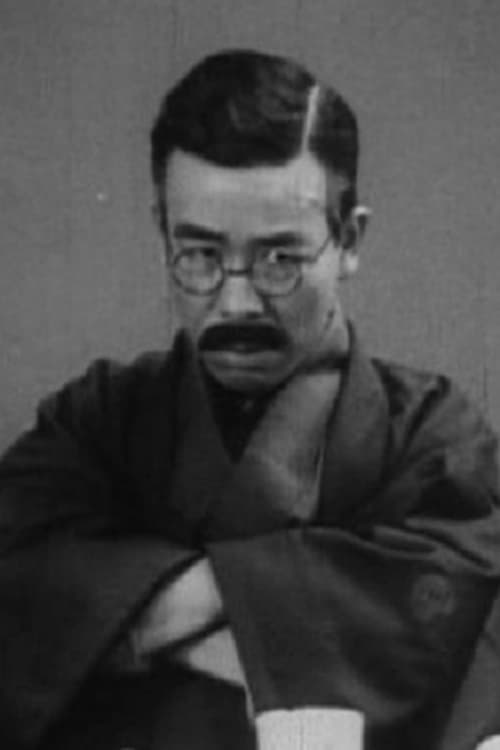
Reikichi Kawamura
Returning Villager

Setsuko Shinobu
Returning Villager's Daughter
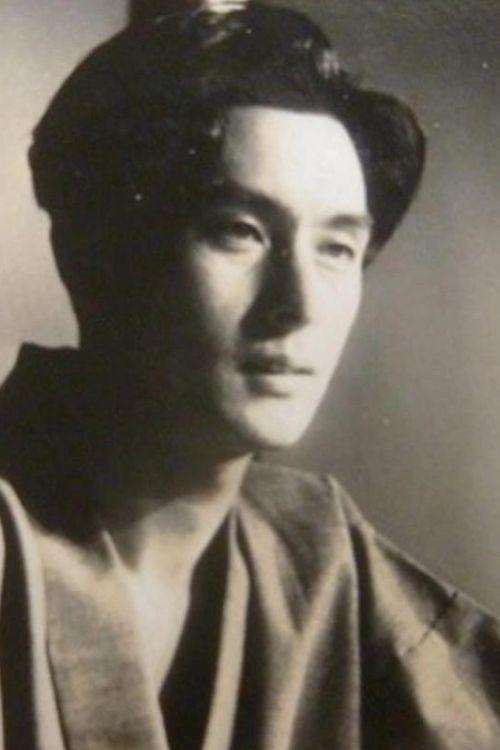
Kanji Kawara
Masao Hayama
Primary School Student

Mitsuko Mito

Tomoko Naniwa
Itinerant Entertainer
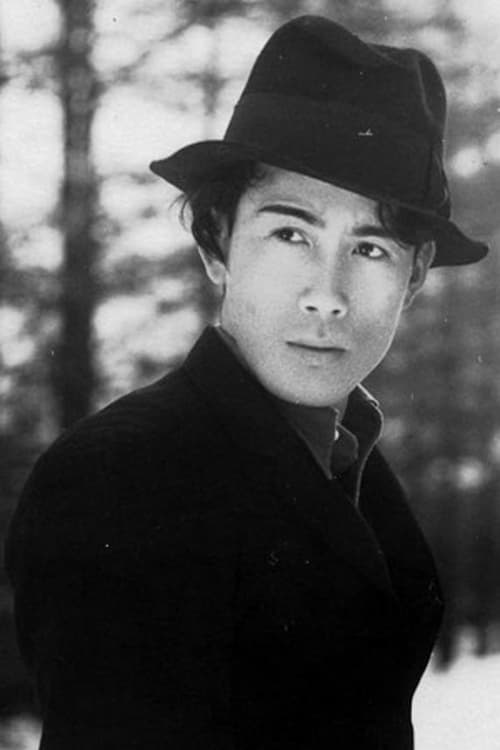
Shigeru Ogura
Newly-wed Man
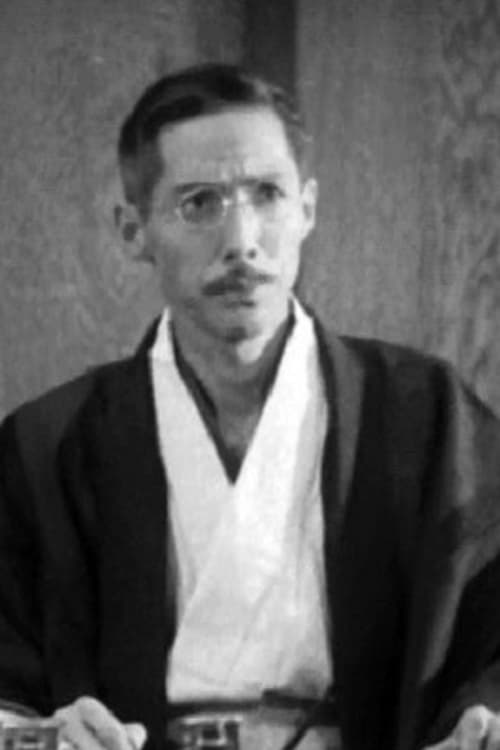
Reikō Tani
Doctor
Crew
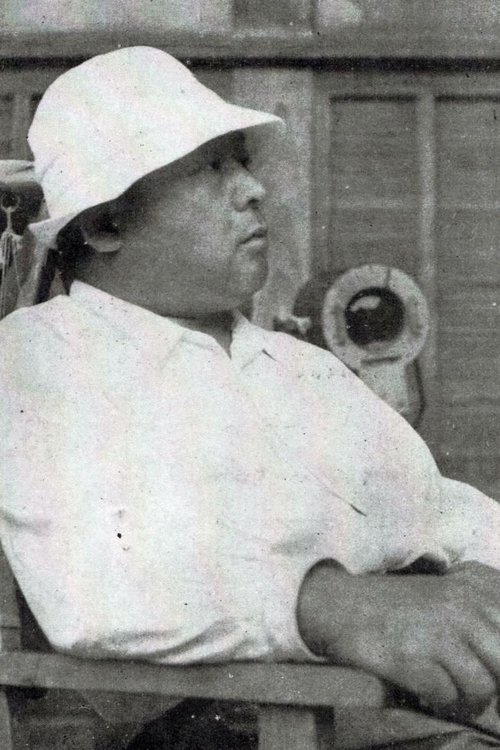
Hiroshi Shimizu
Director
Hiroshi Shimizu
Screenplay
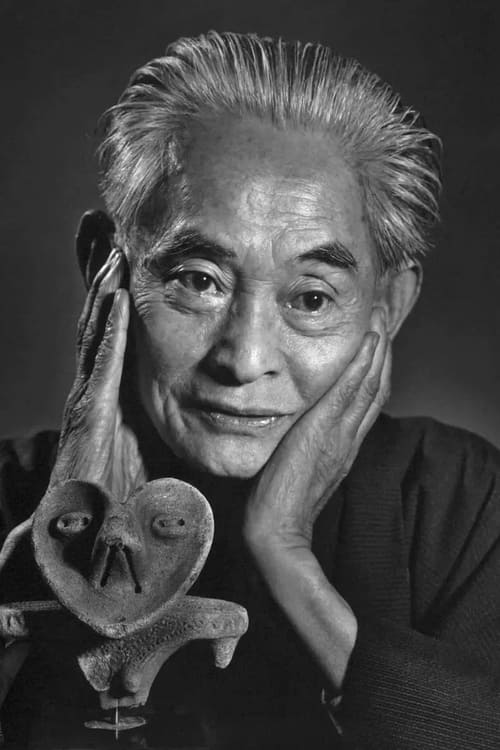
Yasunari Kawabata
Novel
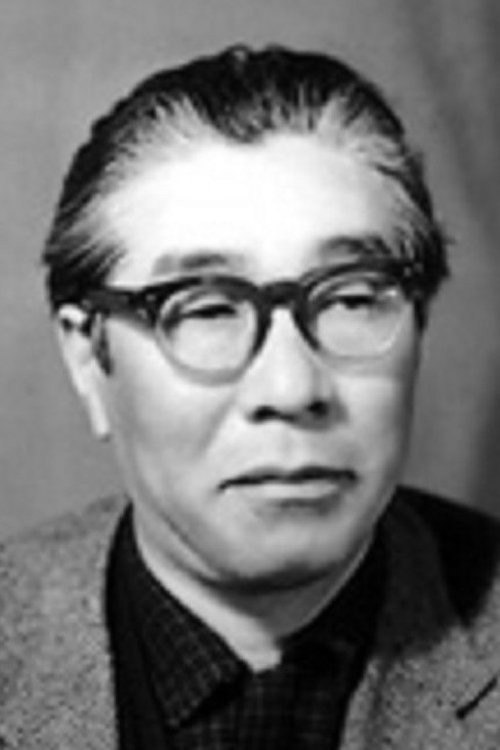
Yasushi Sasaki
Assistant Director
Popular Reviews
24 reviews
julian51er
8.0★ · 05/24/26
Der Name ist auf jeden Fall Programm.
Aus Zeiten, in denen Busfahrer sowas wie die Astronauten der 60er waren, und Töchter bei familiären Geldproblemen in die große Stadt verkauft wurden. Ein menschlicher Roadtrip durch das ländlichen Japan, das trotz seines ruhigen Tons durch die unterschiedlichen Mitfahrer*innen und eine tolle Kameraarbeit mitreißt. Besonders die kurzen Begegnungen auf den staubigen Straßen sind trotz sich wiederholendem Stilmittel jedes Mal ein Grinsen wert. Ein schöner und moderner Kontrast zu den eher schwerfälligen und ernsten Filmen aus dieser Zeit.
ありがとう!
Aus Zeiten, in denen Busfahrer sowas wie die Astronauten der 60er waren, und Töchter bei familiären Geldproblemen in die große Stadt verkauft wurden. Ein menschlicher Roadtrip durch das ländlichen Japan, das trotz seines ruhigen Tons durch die unterschiedlichen Mitfahrer*innen und eine tolle Kameraarbeit mitreißt. Besonders die kurzen Begegnungen auf den staubigen Straßen sind trotz sich wiederholendem Stilmittel jedes Mal ein Grinsen wert. Ein schöner und moderner Kontrast zu den eher schwerfälligen und ernsten Filmen aus dieser Zeit.
ありがとう!
Der Name ist auf jeden Fall Programm.
Aus Zeiten, in denen Busfahrer sowas wie die Astronauten der 60er waren, und Töchter bei familiären Geldproblemen in die große Stadt verkauft wurden. Ein menschlicher Roadtrip durch das ländlichen Japan, das trotz seines ruhigen Tons durch die unterschiedlichen Mitfahrer*innen und eine tolle Kameraarbeit mitreißt. Besonders die kurzen Begegnungen auf den staubigen Straßen sind trotz sich wiederholendem Stilmittel jedes Mal ein Grinsen wert. Ein schöner und moderner Kontrast zu den eher schwerfälligen und ernsten Filmen aus dieser Zeit.
ありがとう!
Aus Zeiten, in denen Busfahrer sowas wie die Astronauten der 60er waren, und Töchter bei familiären Geldproblemen in die große Stadt verkauft wurden. Ein menschlicher Roadtrip durch das ländlichen Japan, das trotz seines ruhigen Tons durch die unterschiedlichen Mitfahrer*innen und eine tolle Kameraarbeit mitreißt. Besonders die kurzen Begegnungen auf den staubigen Straßen sind trotz sich wiederholendem Stilmittel jedes Mal ein Grinsen wert. Ein schöner und moderner Kontrast zu den eher schwerfälligen und ernsten Filmen aus dieser Zeit.
ありがとう!


NicolasRL
8.0★ · 03/14/26
Arigato
Arigato
illyria
7.0★ · 02/24/26
This is a film that tows the line between sweet and depressing really well. You can't help but feel the optimism and genuine kindness that radiates off of Mr. Thank You, and also the adoration people from all over have for him.
However, there are some real hard hitting moments all throughout this film. Many are unable to afford the bus fare whilst many have to sell their children into sex work.
This image of depression-era Japan is incredibly striking and really is effective to watch.
I loved how primitive this film is, it is an early Japanese sound film after all. It really endeared it to me, and showed how much Hiroshi Shimizu was able to accomplish even without a lot of money.
I did feel the movie wrapped up quite suddenly, and does stagnate at points, but this film was a joy to watch.
However, there are some real hard hitting moments all throughout this film. Many are unable to afford the bus fare whilst many have to sell their children into sex work.
This image of depression-era Japan is incredibly striking and really is effective to watch.
I loved how primitive this film is, it is an early Japanese sound film after all. It really endeared it to me, and showed how much Hiroshi Shimizu was able to accomplish even without a lot of money.
I did feel the movie wrapped up quite suddenly, and does stagnate at points, but this film was a joy to watch.
This is a film that tows the line between sweet and depressing really well. You can't help but feel the optimism and genuine kindness that radiates off of Mr. Thank You, and also the adoration people from all over have for him.
However, there are some real hard hitting moments all throughout this film. Many are unable to afford the bus fare whilst many have to sell their children into sex work.
This image of depression-era Japan is incredibly striking and really is effective to watch.
I loved how primitive this film is, it is an early Japanese sound film after all. It really endeared it to me, and showed how much Hiroshi Shimizu was able to accomplish even without a lot of money.
I did feel the movie wrapped up quite suddenly, and does stagnate at points, but this film was a joy to watch.
However, there are some real hard hitting moments all throughout this film. Many are unable to afford the bus fare whilst many have to sell their children into sex work.
This image of depression-era Japan is incredibly striking and really is effective to watch.
I loved how primitive this film is, it is an early Japanese sound film after all. It really endeared it to me, and showed how much Hiroshi Shimizu was able to accomplish even without a lot of money.
I did feel the movie wrapped up quite suddenly, and does stagnate at points, but this film was a joy to watch.
Gabriel Silva
9.1★ · 05/20/25
The rapid modernization of the world post-WWII came with a lot of ups and downs, and people everywhere had to decide what they wanted the future to look like, Japan especially. Mr. Thank You distills a lot of that conversation into a bus ride, with the coming and goings of customers as they interact with one another. The microcosm society of the bus, shared with the public, is humbling, and yet few ever truly make large, sweeping changes in their lives based on just one interaction with a stranger. You’d need several. Hopefully, like the migratory birds, they all meet again, but that’s wishful thinking. Only the titular “Mr. Thank You” has this privilege and it has tuned him into the plight of others, granting him empathy for his fellow person. The simple composition and small space of the bus interior is so perfect for this film and each exit we see the rider that just got off fade into the distance, a reminder that while we leave them behind, they still have their own journeys to attend to
The rapid modernization of the world post-WWII came with a lot of ups and downs, and people everywhere had to decide what they wanted the future to look like, Japan especially. Mr. Thank You distills a lot of that conversation into a bus ride, with the coming and goings of customers as they interact with one another. The microcosm society of the bus, shared with the public, is humbling, and yet few ever truly make large, sweeping changes in their lives based on just one interaction with a stranger. You’d need several. Hopefully, like the migratory birds, they all meet again, but that’s wishful thinking. Only the titular “Mr. Thank You” has this privilege and it has tuned him into the plight of others, granting him empathy for his fellow person. The simple composition and small space of the bus interior is so perfect for this film and each exit we see the rider that just got off fade into the distance, a reminder that while we leave them behind, they still have their own journeys to attend to
ash
8.0★ · 03/04/25
really enjoyed this!! i think it should be more well known, it was beautifully made.
really enjoyed this!! i think it should be more well known, it was beautifully made.