A killer first watch to start off the festival.
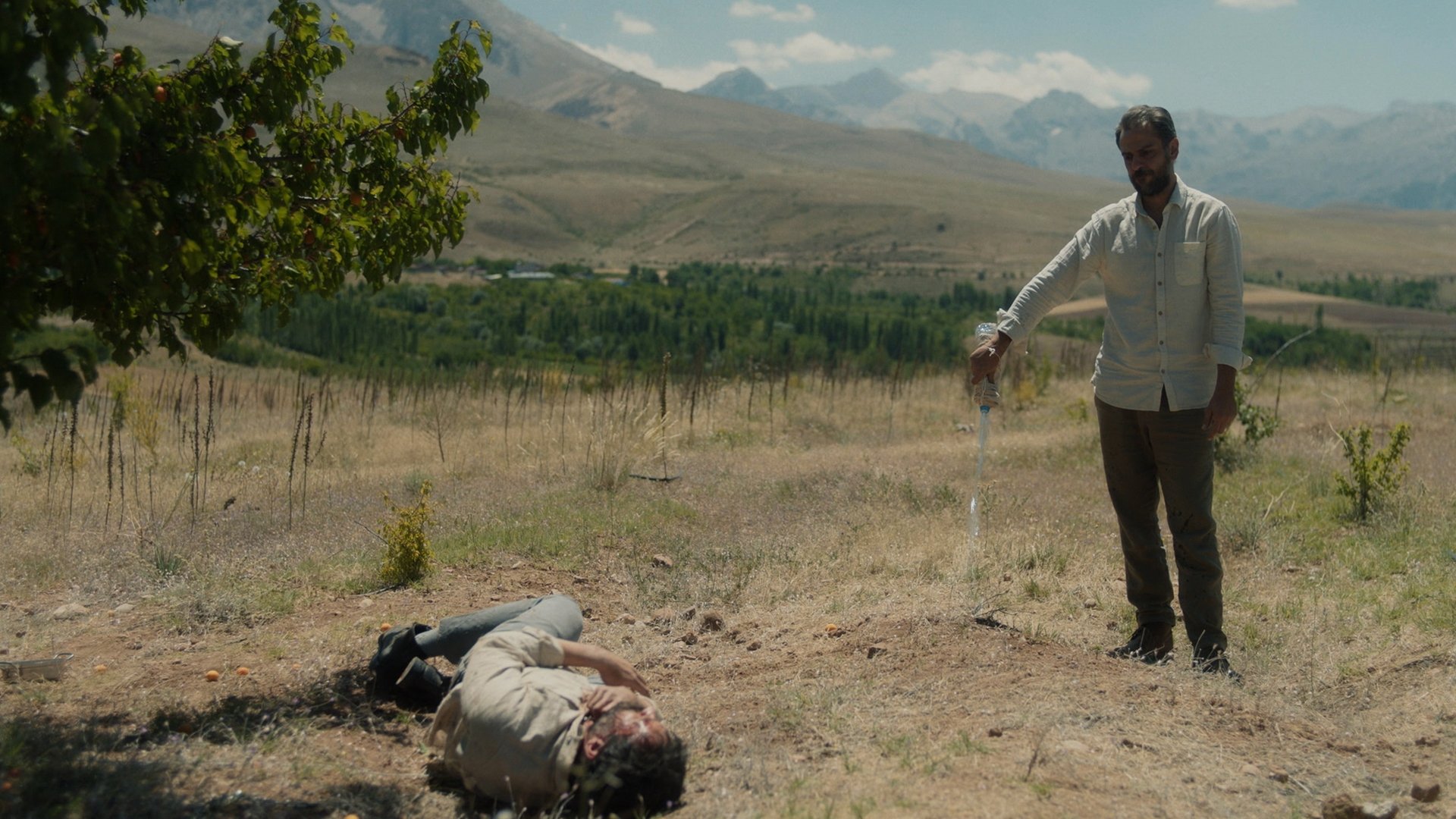
A meditation on grief, identity, familial trauma, and the cycle of patriarchal violence, The Things You Kill reels you in with a strong, hooky start. A whodunnit that helps brew the viewer's appetite for a good revenge thriller. A fantasy that we'll be able to take control and do what we need to do when we need to do it. A very masculine one at that. Khatami evokes this desire and turns it on its head, crafting dreamlike sequences with Swiniarski that's disarming, forcing us to reckon on what is true vs what is real and what we end up smothering in ourselves to turn our desires concrete, righteous and ugly ones alike.
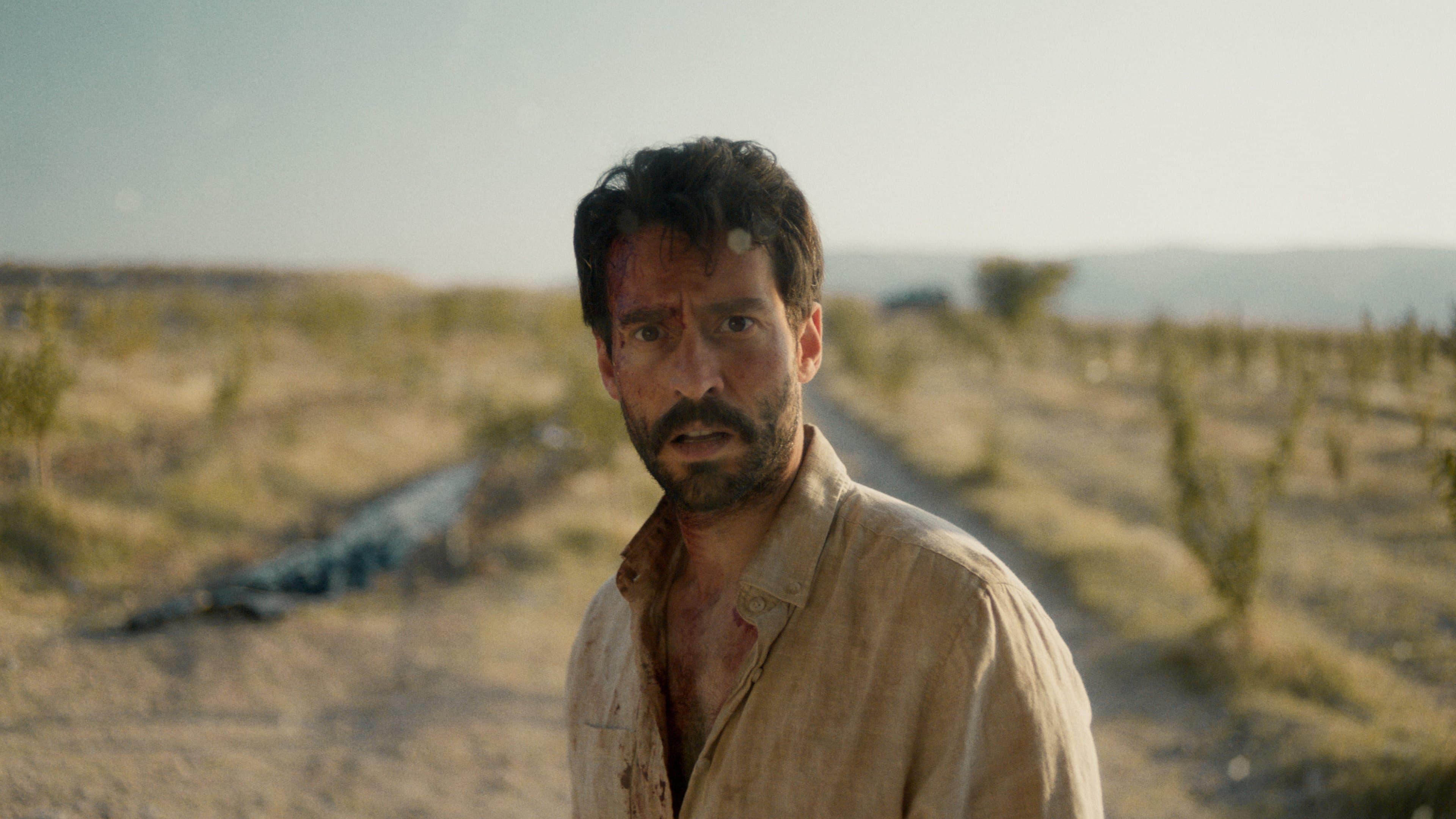
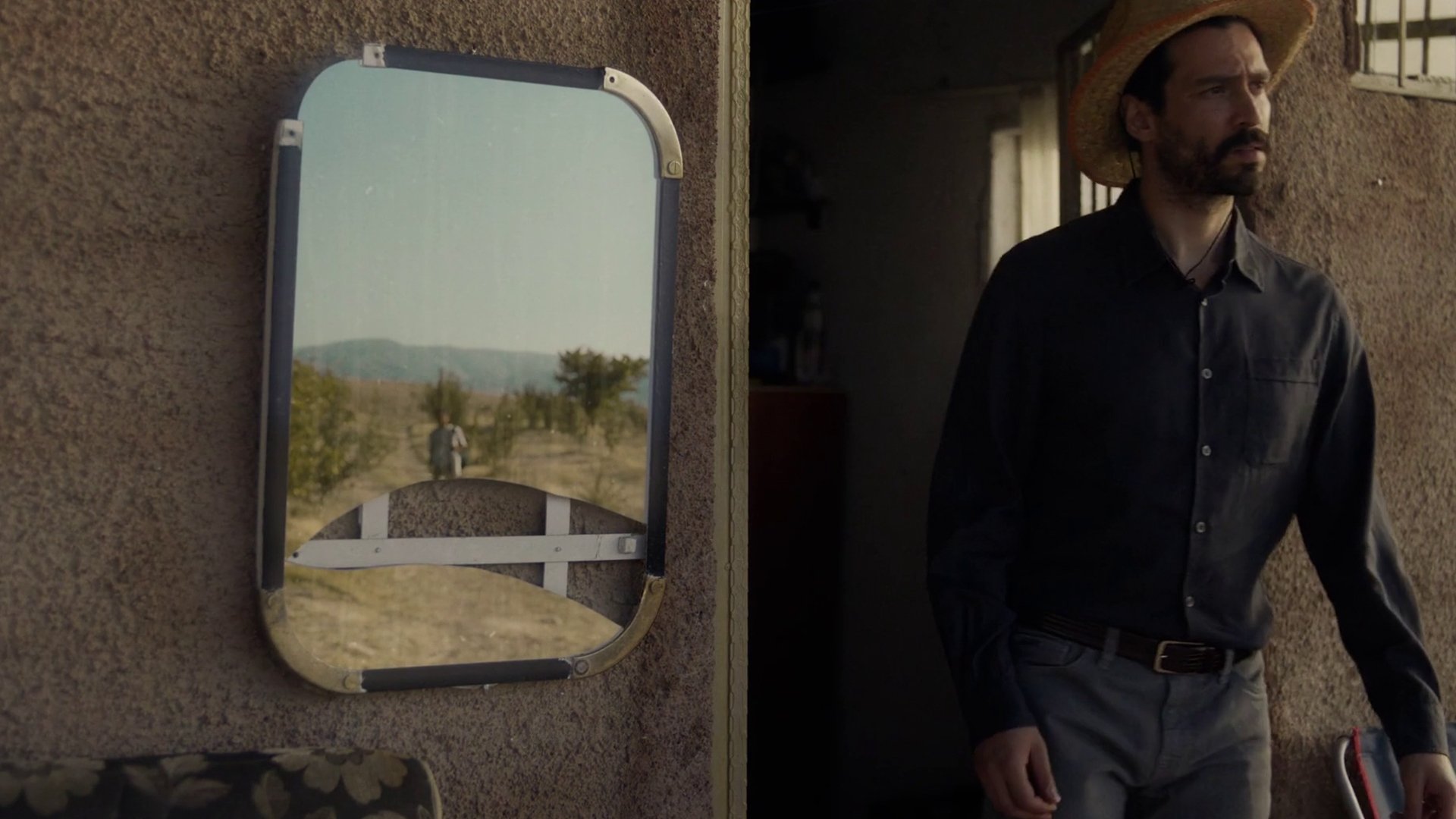
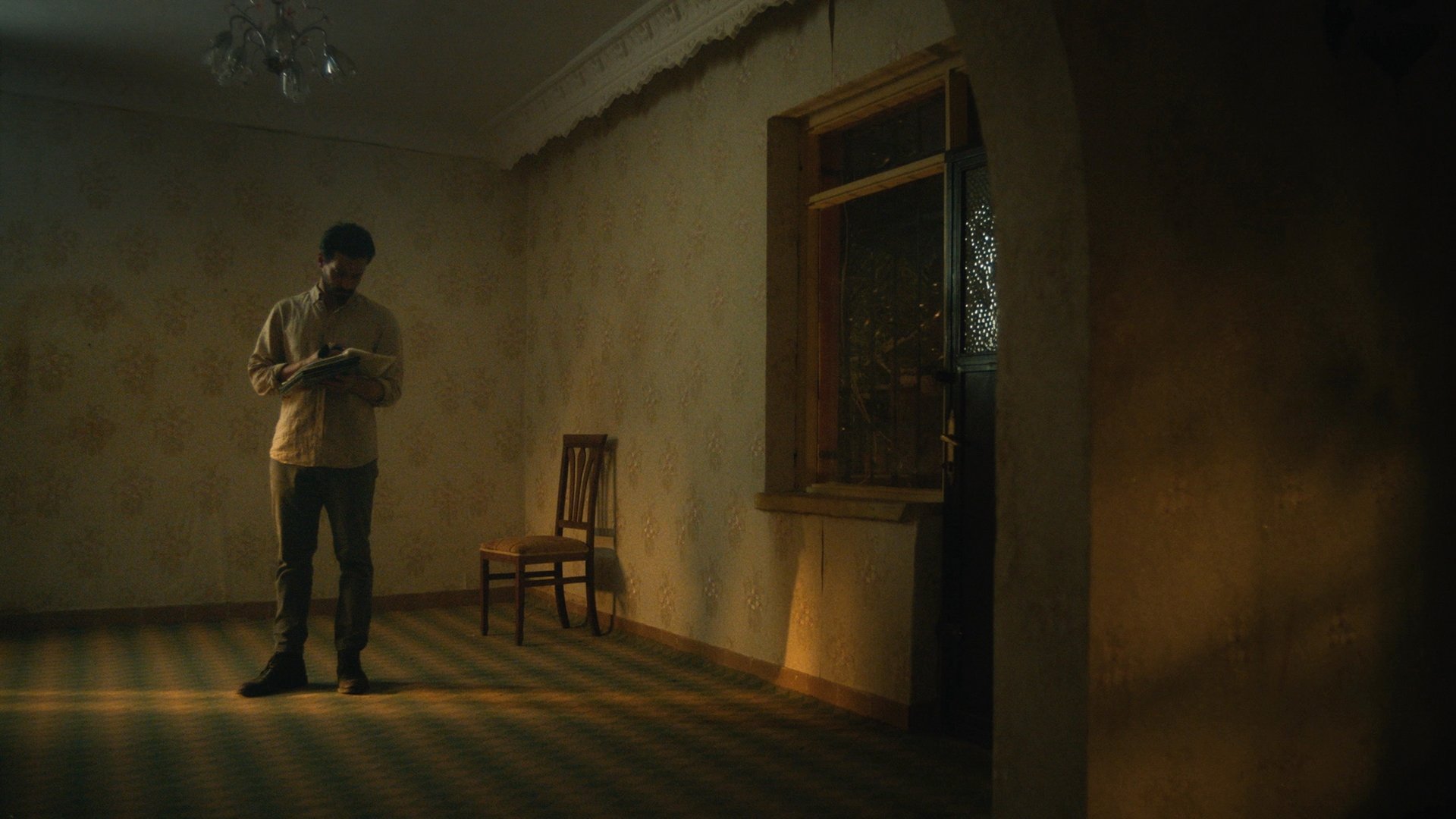
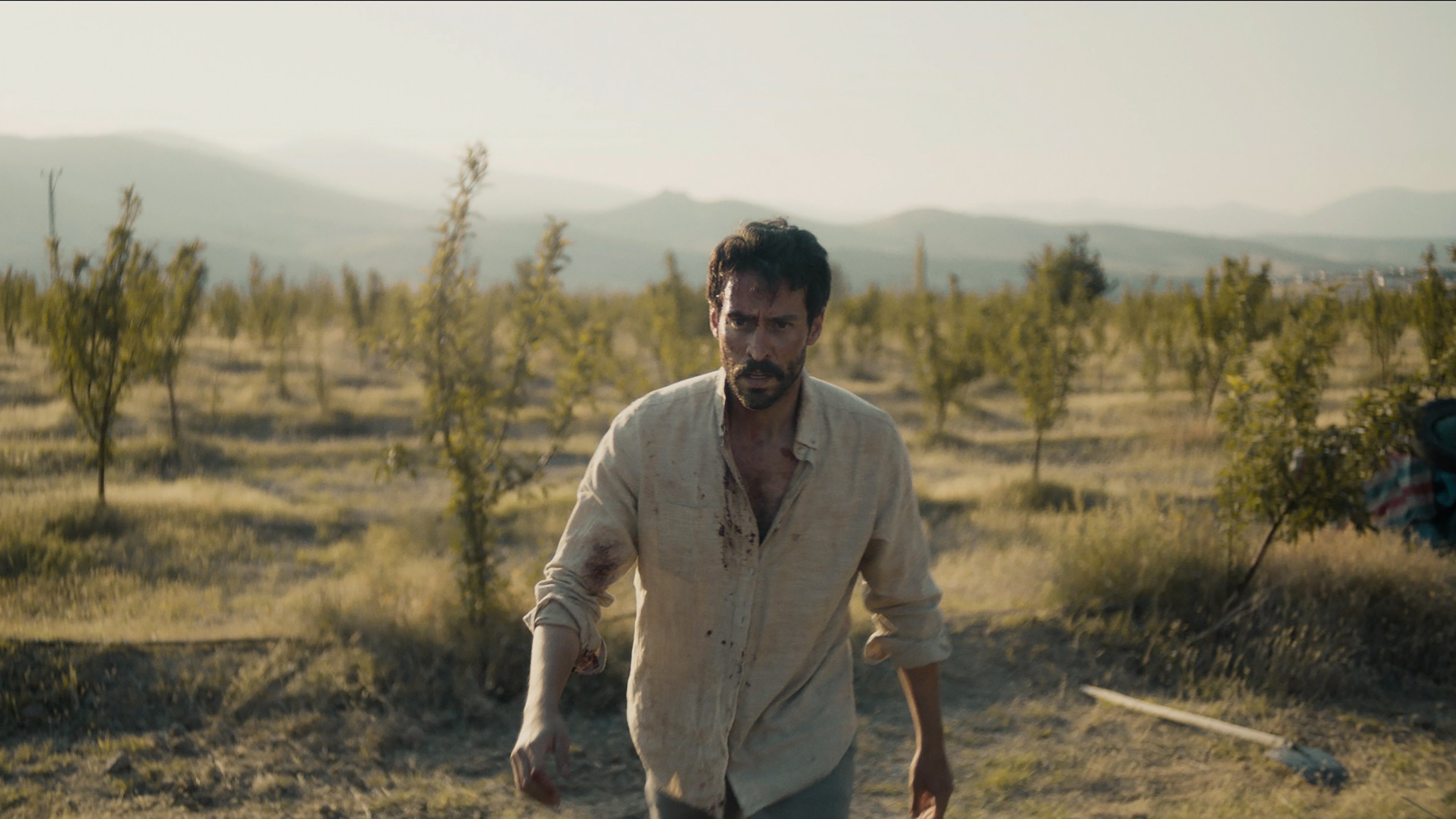
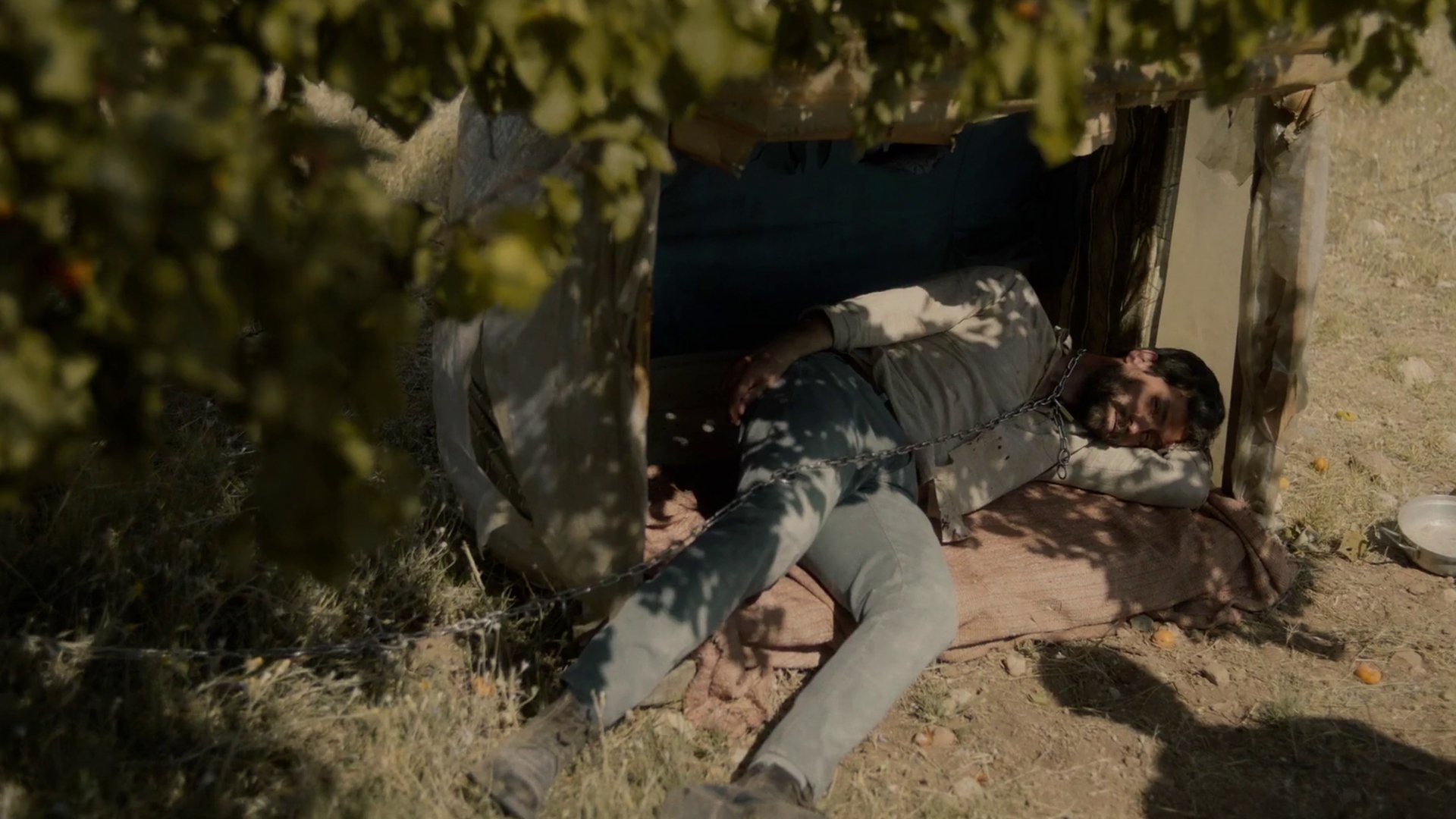
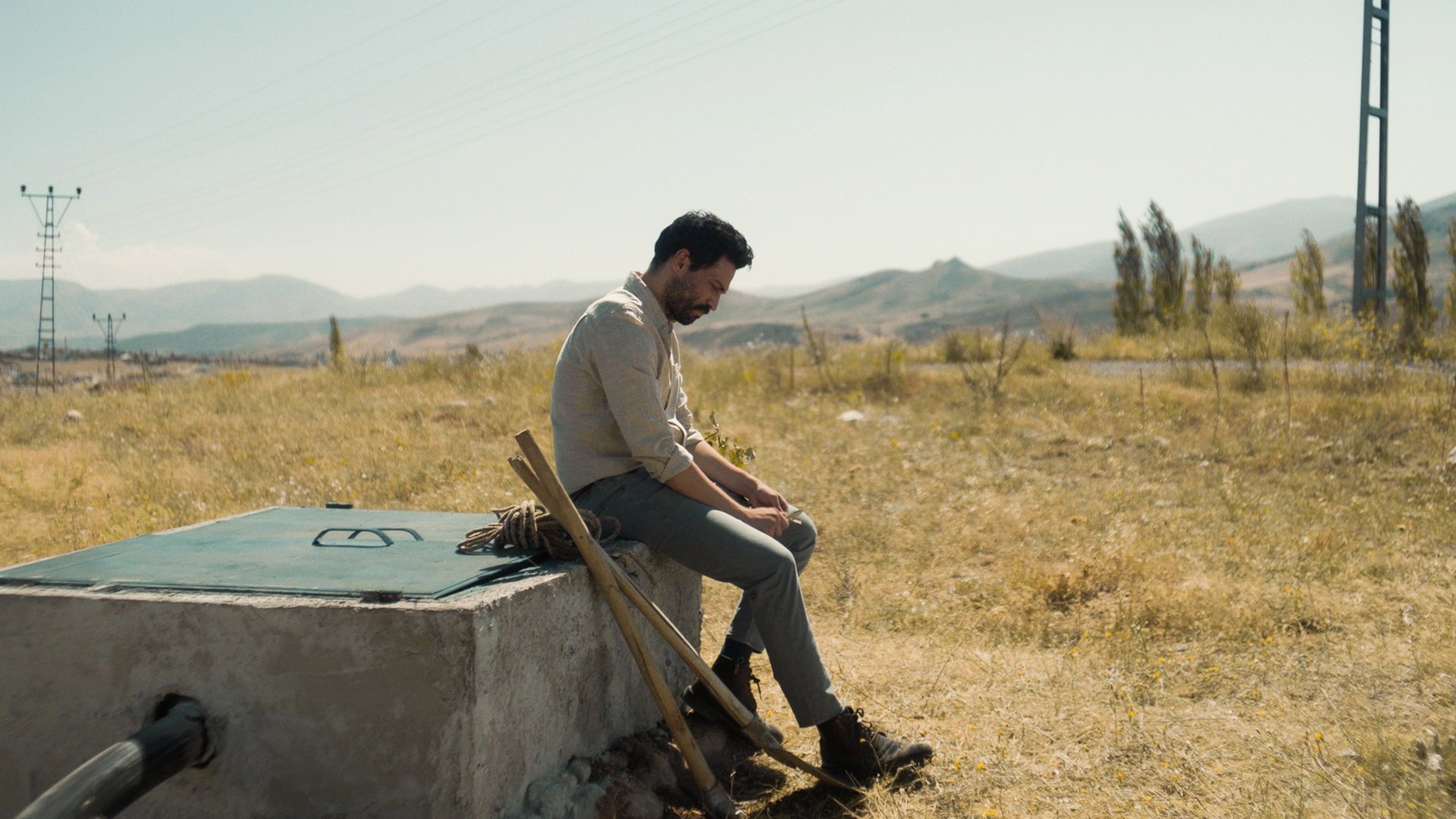
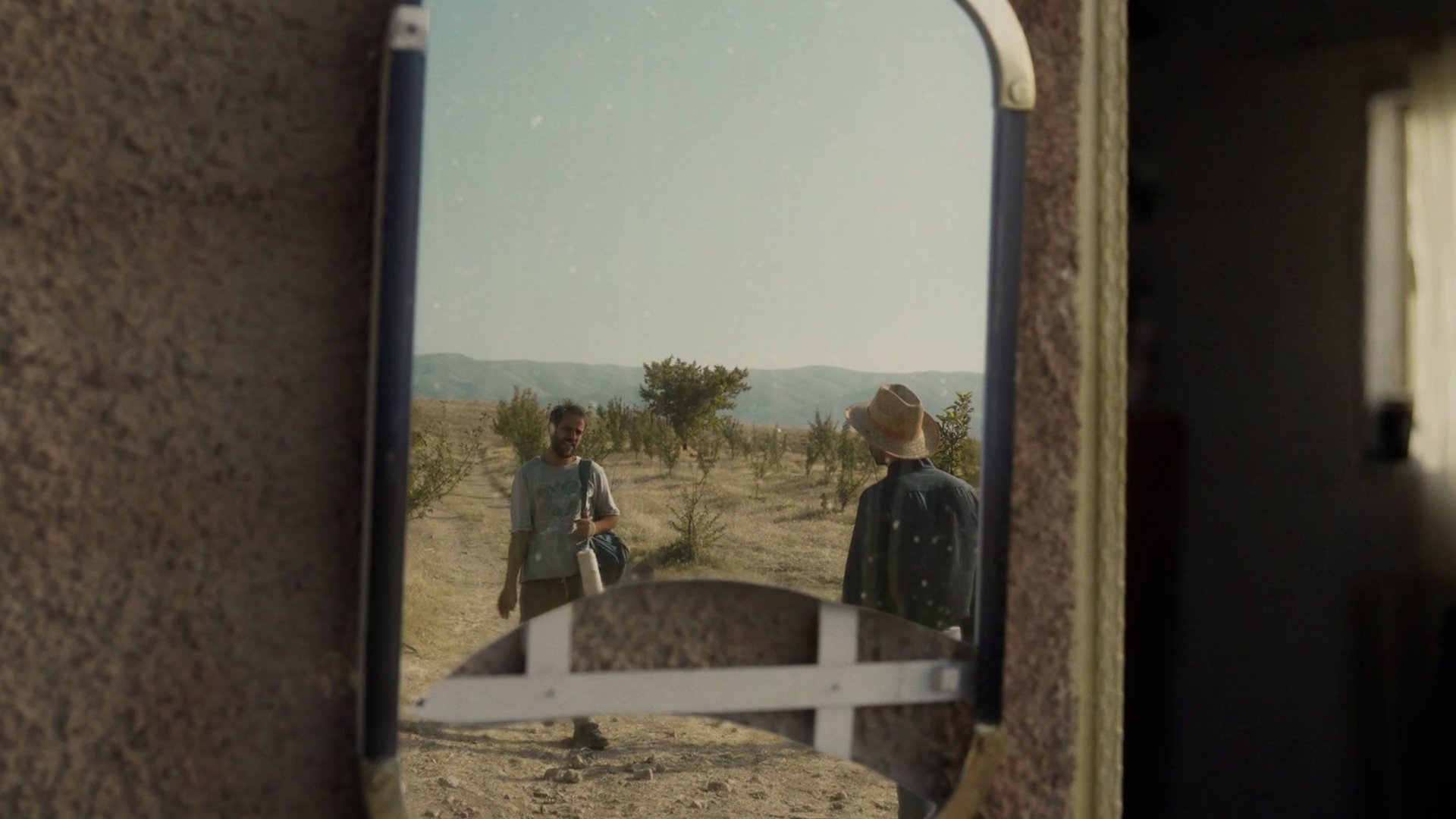
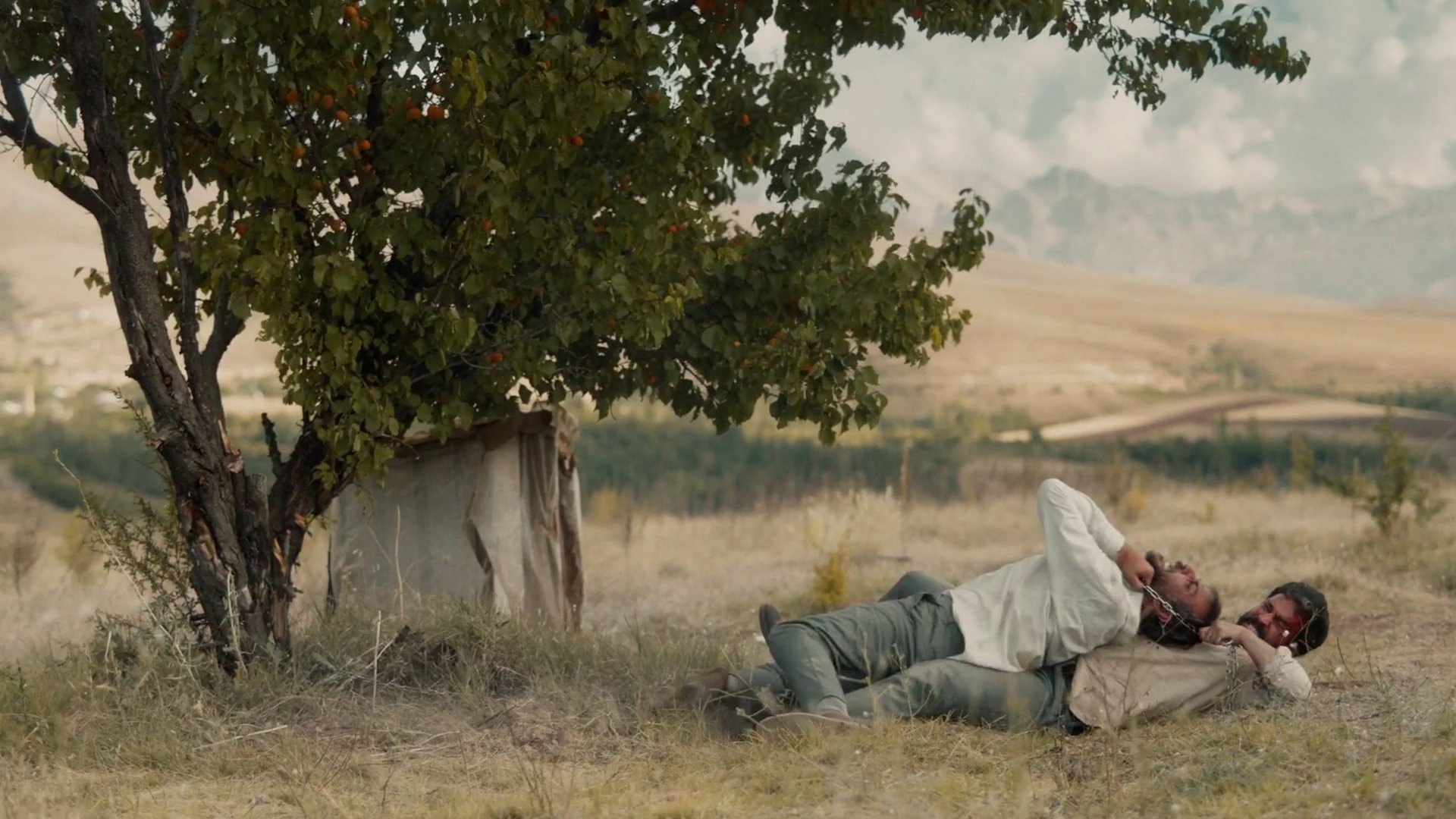
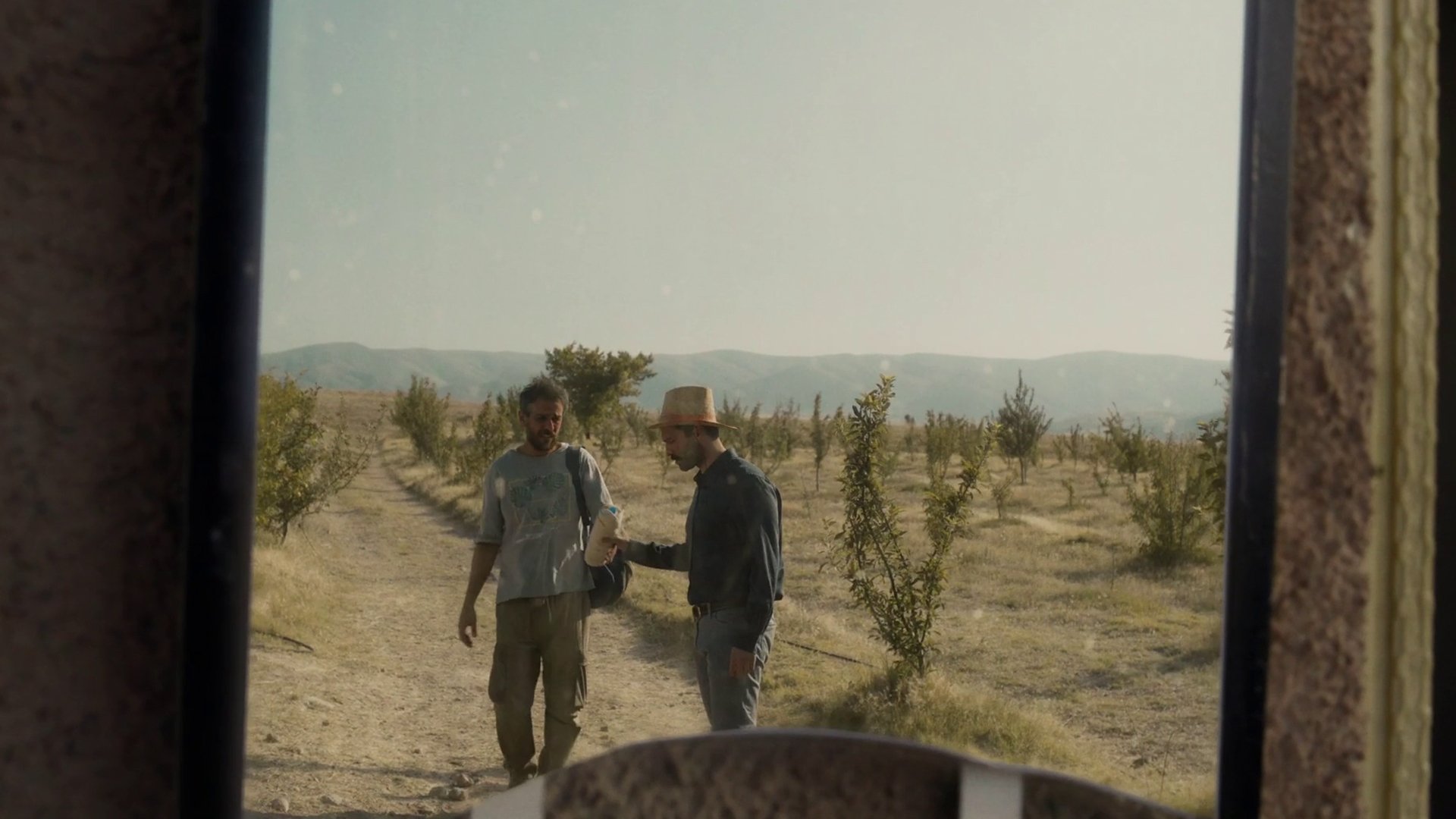
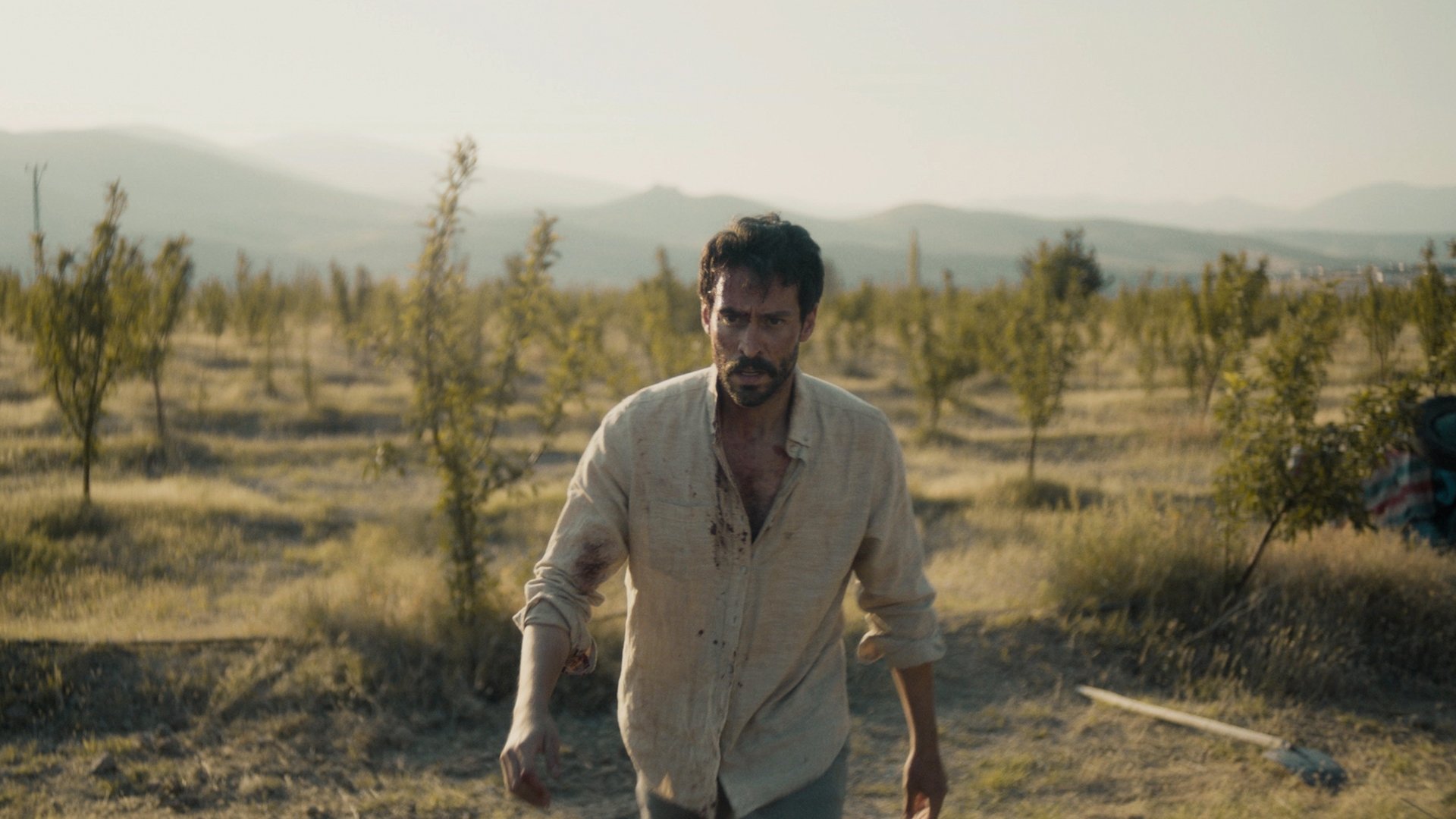
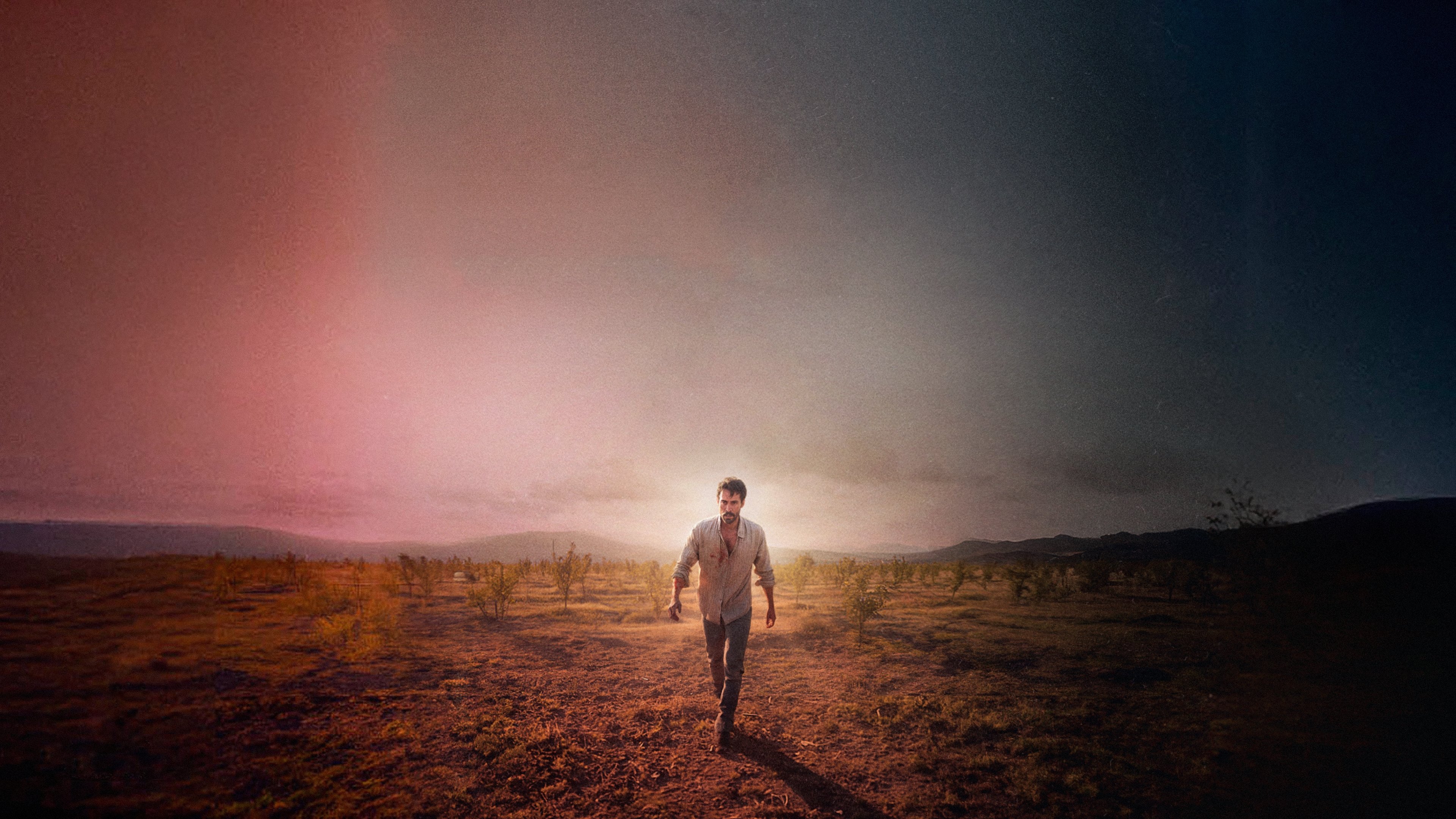
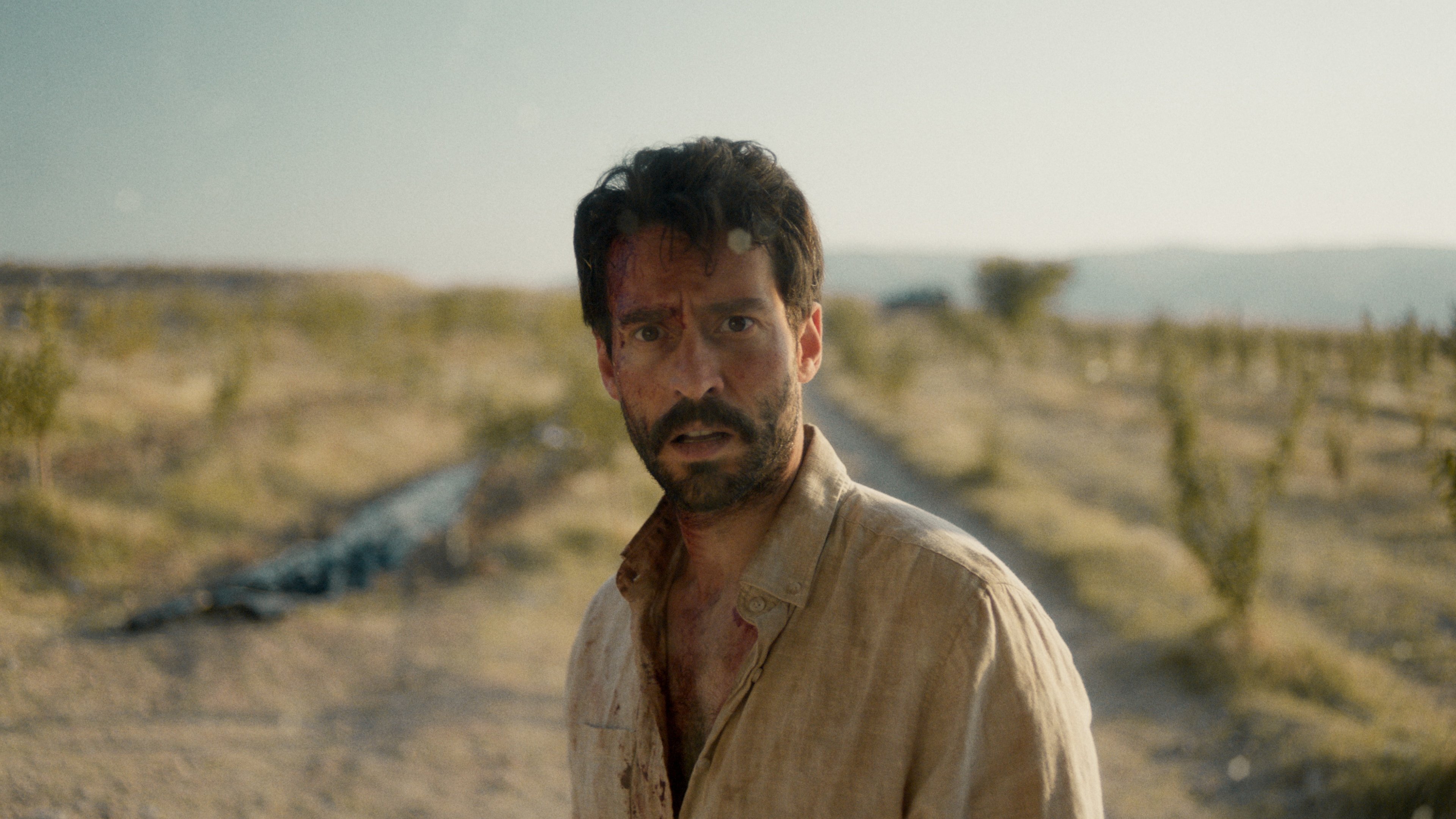
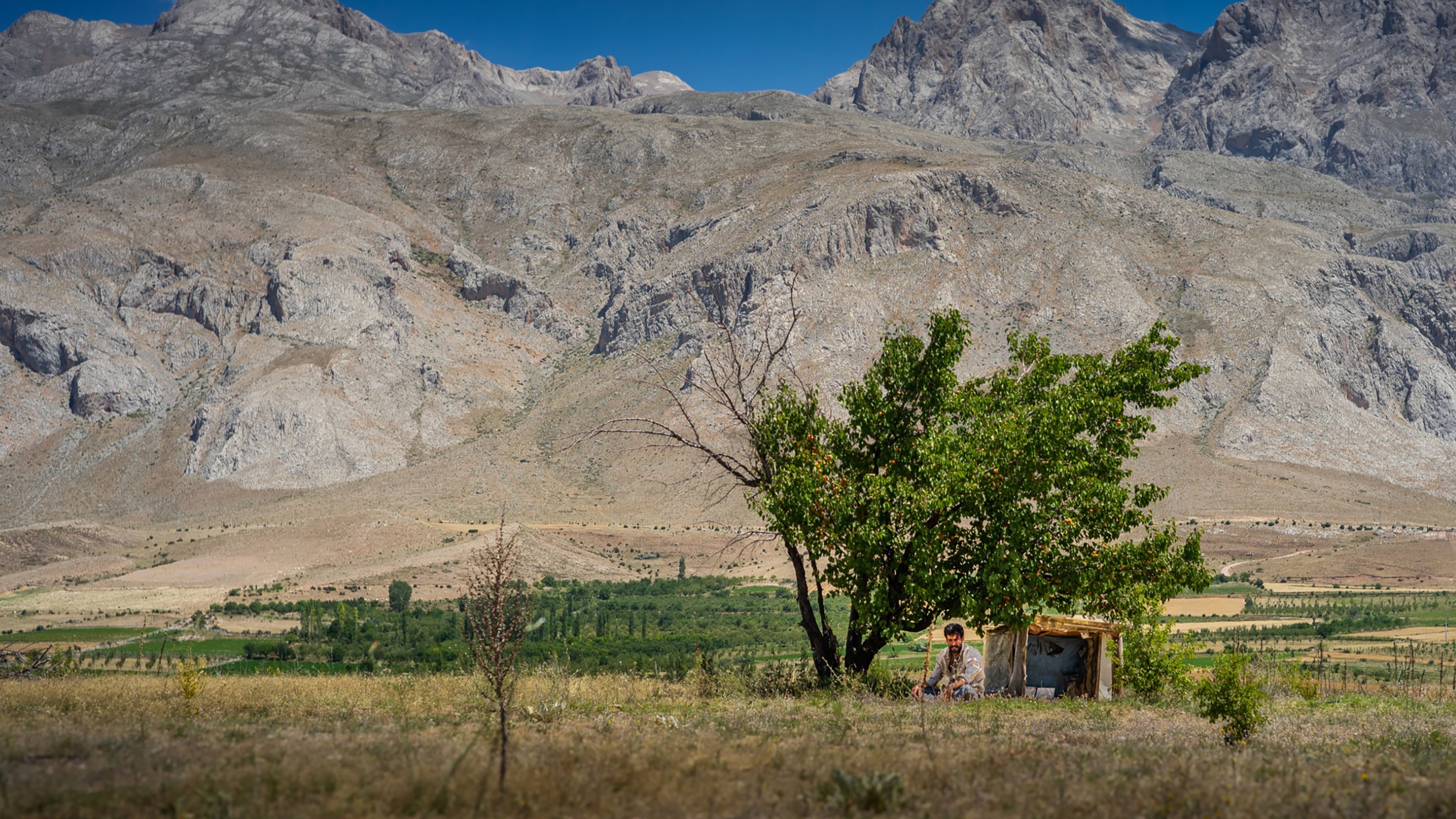
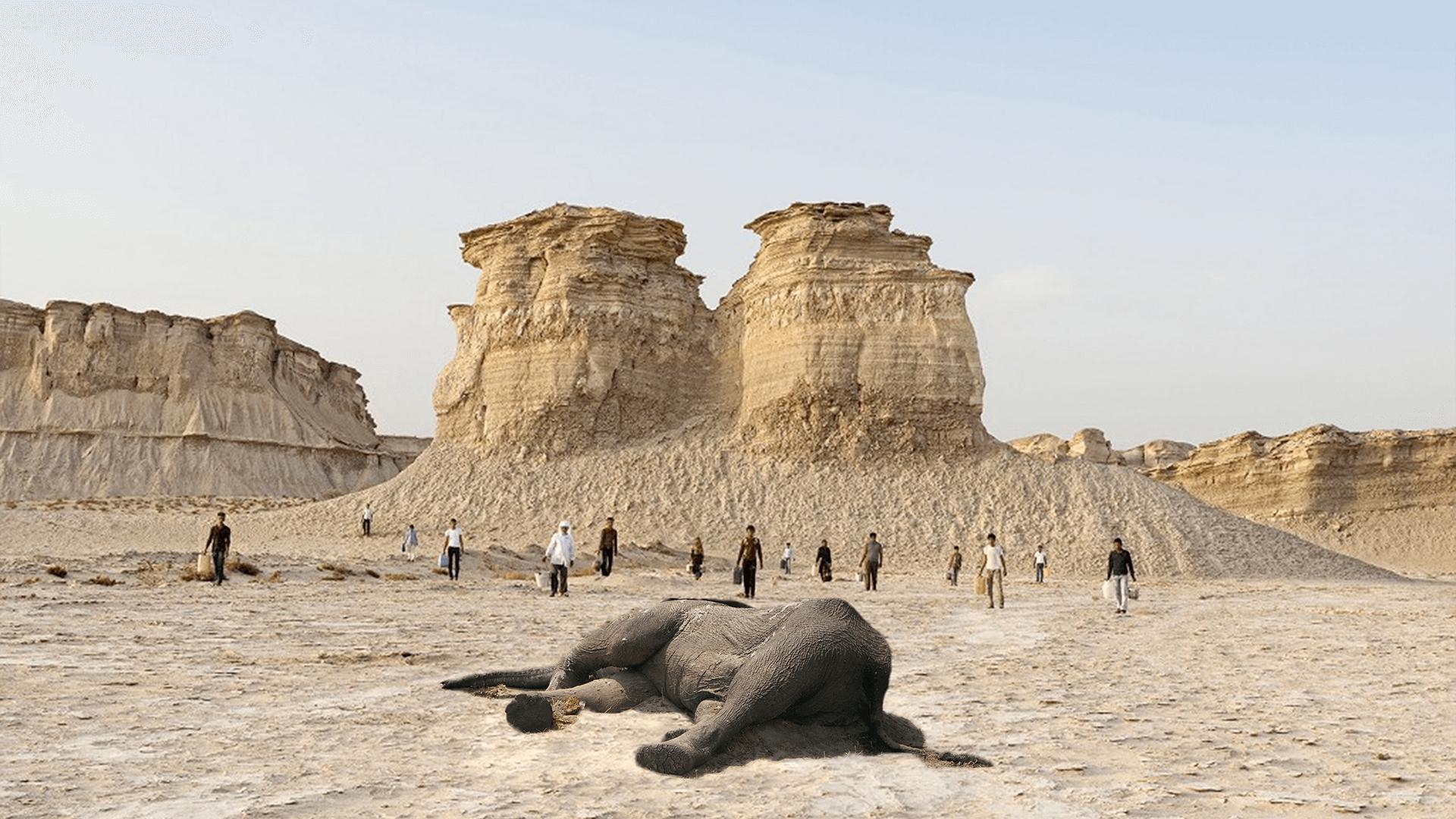
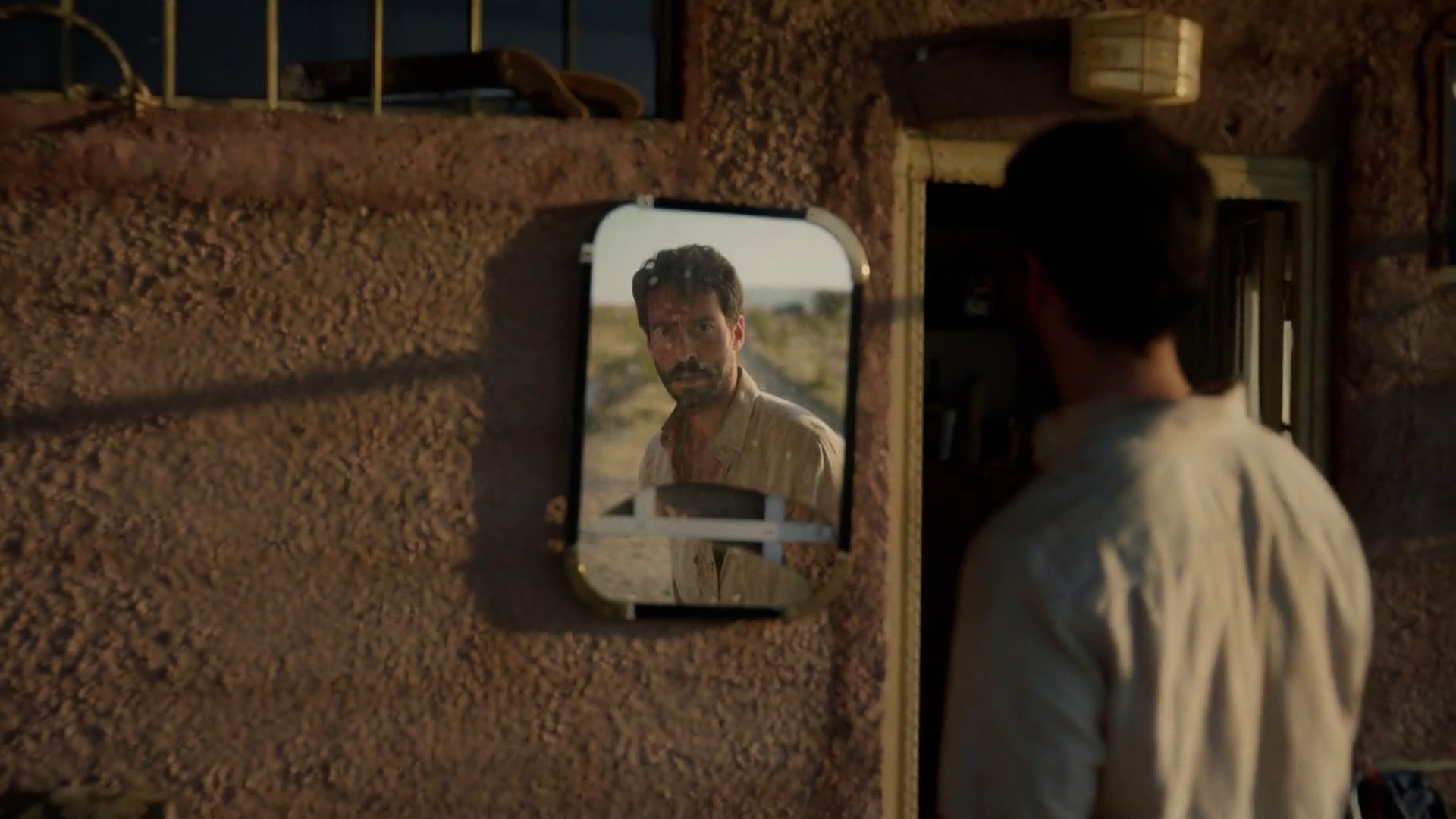
The camera is living and breathing in the film with sequences that are uncomfortably tight and claustrophobic contrasted by gorgeous landscapes that despite its vastness still stir up the same feeling of eeriness found in the former. There is one scene where a mirror is used that while could be on the nose, is still such a strong, strong visual marker stuck in my head.
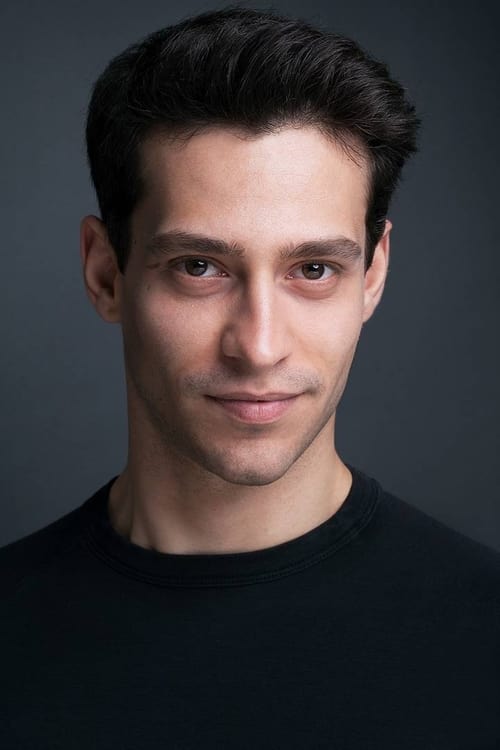
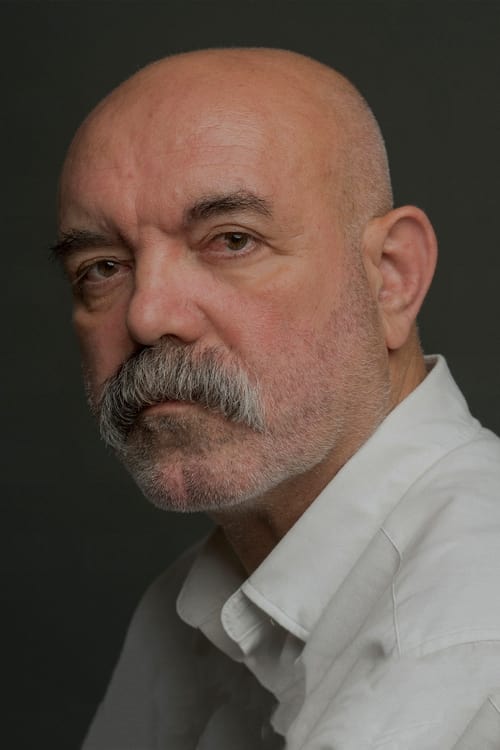
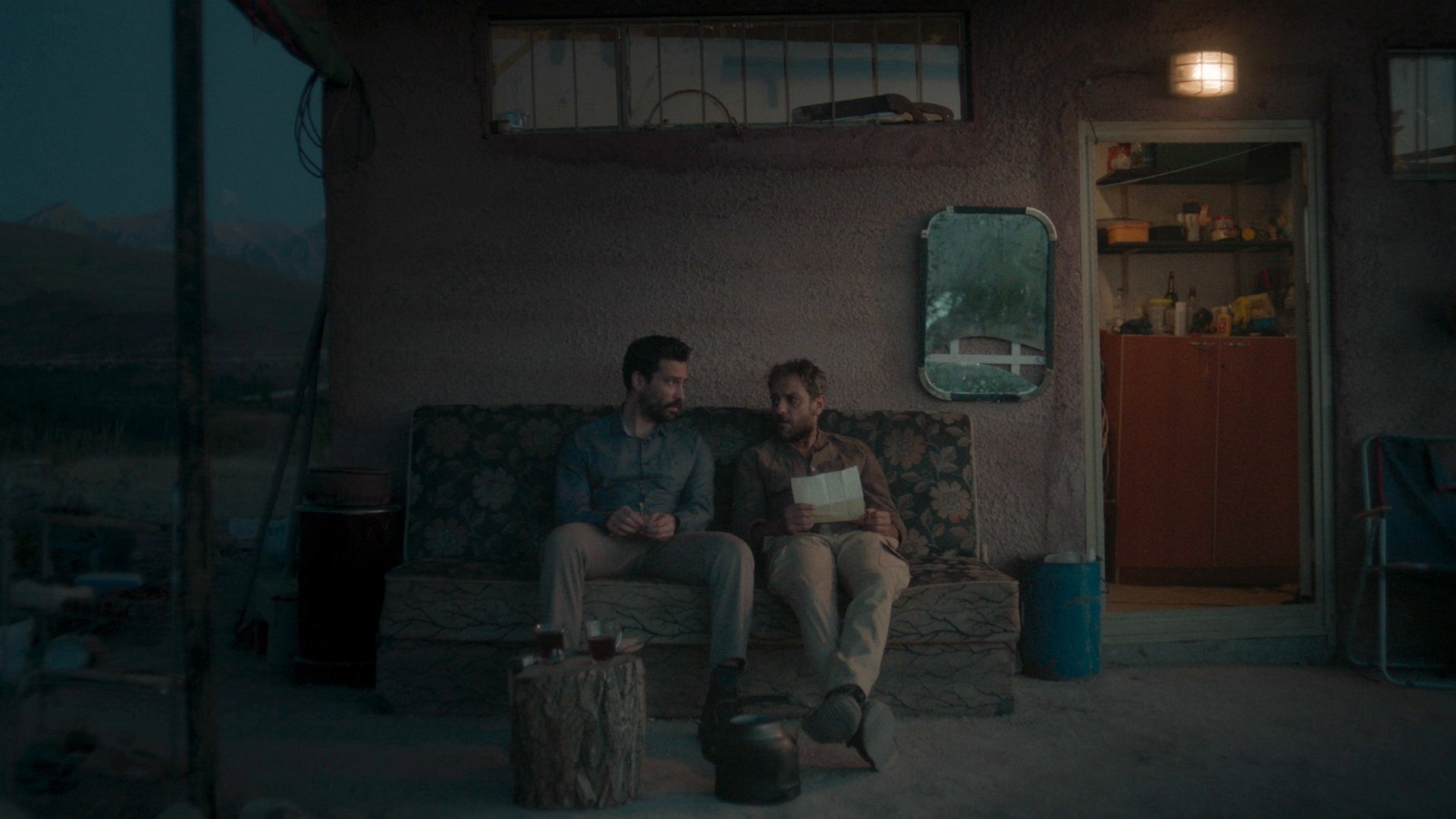
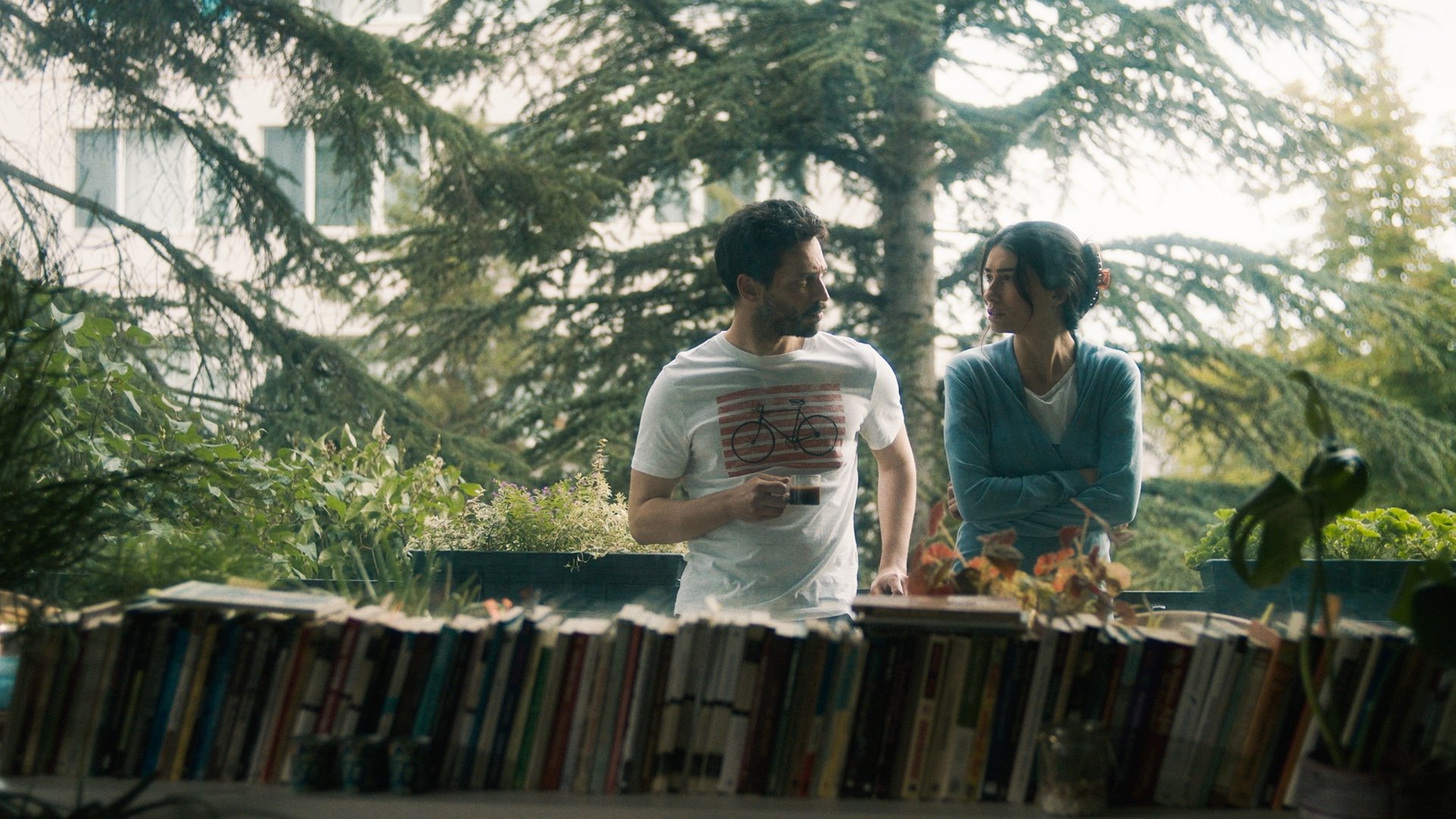
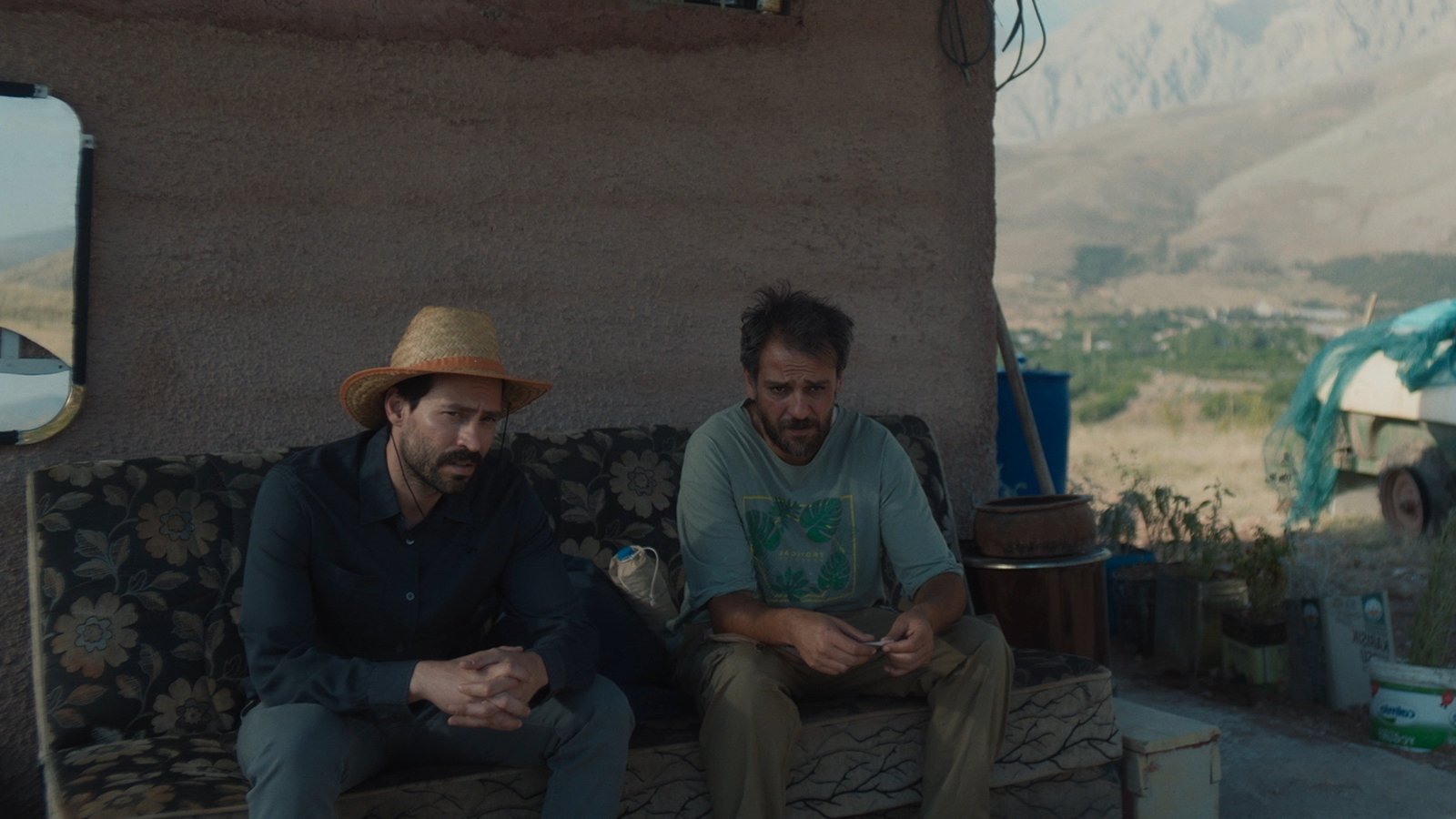
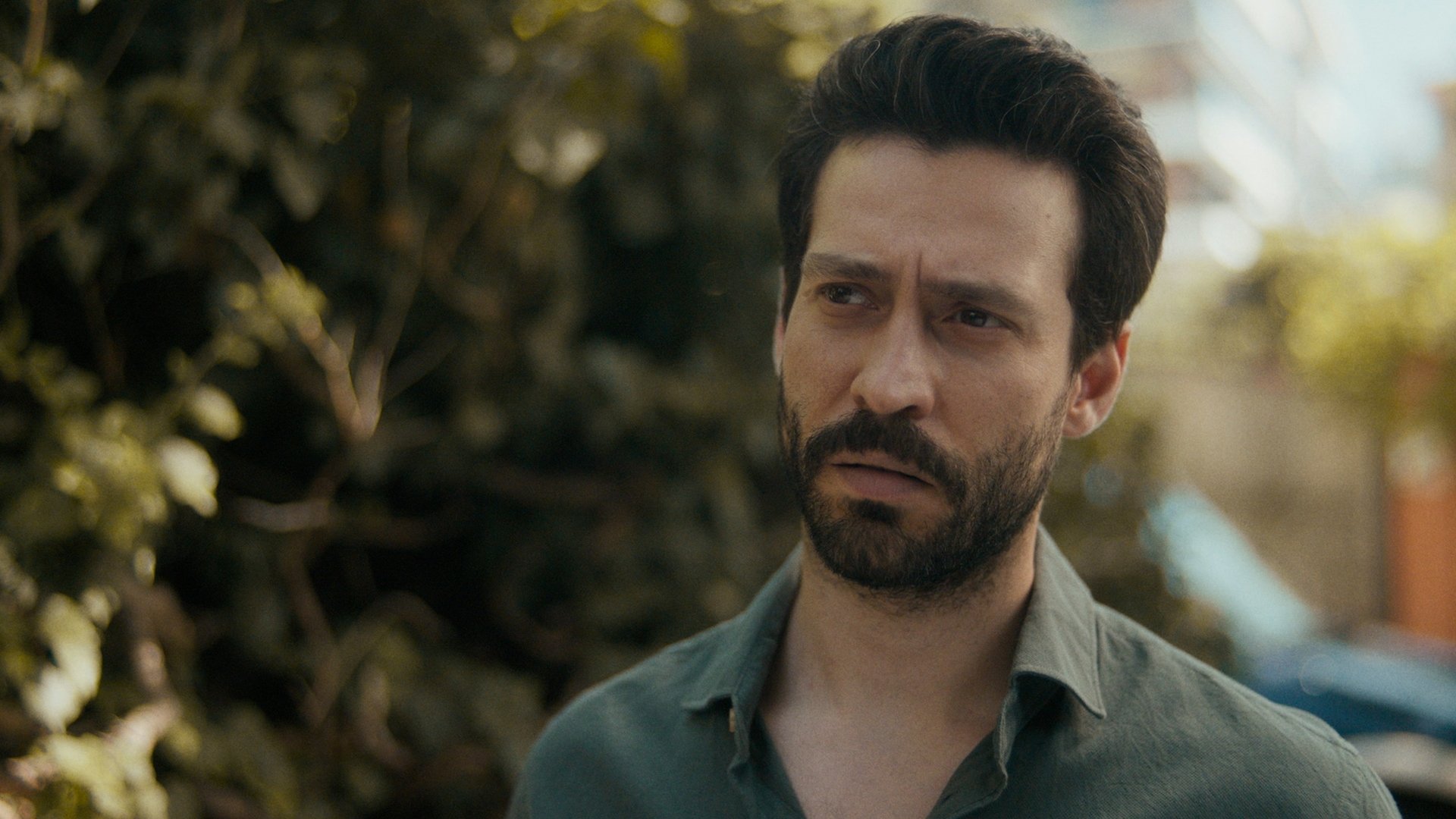
Koç and Köstendil are outstanding with Koç's sensitivity and insecurity only matched by Köstendil brashness and aggression.
An ending that will be stuck in my head for the next few weeks and one that does not leave much answers but only a sense of foreboding: It will happen again. . After all, this cycle goes stretches beyond a father and a son.
A killer first watch to start off the festival.
A meditation on grief, identity, familial trauma, and the cycle of patriarchal violence, The Things You Kill reels you in with a strong, hooky start. A whodunnit that helps brew the viewer's appetite for a good revenge thriller. A fantasy that we'll be able to take control and do what we need to do when we need to do it. A very masculine one at that. Khatami evokes this desire and turns it on its head, crafting dreamlike sequences with Swiniarski that's disarming, forcing us to reckon on what is true vs what is real and what we end up smothering in ourselves to turn our desires concrete, righteous and ugly ones alike.
The camera is living and breathing in the film with sequences that are uncomfortably tight and claustrophobic contrasted by gorgeous landscapes that despite its vastness still stir up the same feeling of eeriness found in the former. There is one scene where a mirror is used that while could be on the nose, is still such a strong, strong visual marker stuck in my head.
Koç and Köstendil are outstanding with Koç's sensitivity and insecurity only matched by Köstendil brashness and aggression.
An ending that will be stuck in my head for the next few weeks and one that does not leave much answers but only a sense of foreboding: It will happen again. . After all, this cycle goes stretches beyond a father and a son.